A floor can look sharp in a sample board and still be the wrong choice for the room it is going into. Large north-facing glazing, energetic kids, wet paws, uneven subfloors and Auckland humidity all change the job. Direct supply flooring works best when lower pricing comes with proper product knowledge, site assessment and installation accountability - not a box dropped at the front door.
What Direct Supply Flooring Actually Means
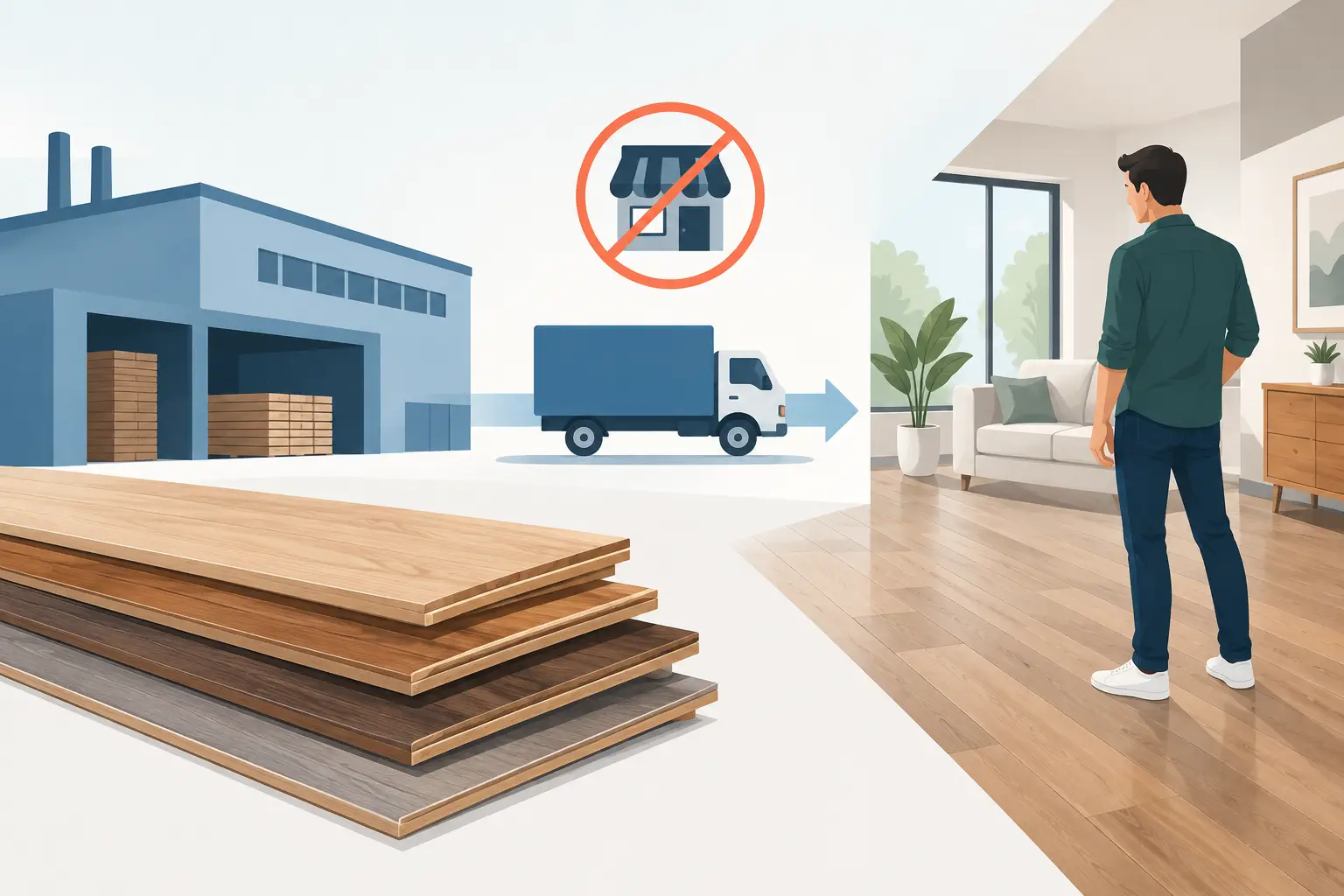
Direct supply flooring removes layers between the importer and the homeowner. Instead of a product moving from importer to distributor, retailer, showroom and installer, it comes through a shorter chain. Fewer margins and less showroom overhead can mean more of your flooring budget goes into the material and the workmanship.
That is the simple part. The valuable part is having one flooring specialist assess the site, explain the options honestly, measure accurately and take responsibility for the finished result. A low price per square metre is only a saving if the floor performs well and the installation is done properly.
For homeowners in Whangarei, North Shore, Auckland and wider Northland, that matters. Flooring has to handle real family life, not just look good under showroom lights. It needs to suit the room, the subfloor, the amount of sun and the way your household uses the space.
Why Retail Flooring Prices Can Climb Fast
Conventional retail flooring has costs built into every square metre: high-street premises, display stock, sales staff, marketing, multiple handling stages and margins for several businesses. None of those things necessarily improve the floor in your home.
A direct-import model cuts out much of that cost. The saving can be around $20 per square metre compared with conventional retail channels, depending on the product and project scope. Across an open-plan living area, bedrooms and hallway, that difference becomes meaningful.
Price should never be separated from specification, though. Compare like for like. Check plank thickness, wear layer or surface construction, locking system, stability, warranty terms, underlay requirements and whether trims and installation are included. A cheap quote that leaves out preparation, accessories or finishing details often stops looking cheap once the work begins.
The Floor Still Has to Suit the House
Direct supply gives you access to better value. It does not remove the need to choose carefully. The right product depends on how the space will be used and what the building is doing underneath it.
Bamboo for natural character and sustainability
Quality bamboo flooring has a warmth and visual depth that suits homes where natural materials are part of the design. It is a fast-growing, renewable material and a strong option for homeowners who want a more sustainable floor without sacrificing a premium finish.
Bamboo is not a one-size-fits-all answer. The product construction, surface finish and installation method matter. A proper site assessment helps determine whether bamboo suits the moisture conditions, layout and sun exposure of your home. It also ensures expansion allowances and transitions are planned rather than treated as an afterthought.
SPC for busy family spaces
Stone polymer composite, often called SPC, is built for practical living. It is highly stable, water resistant and well suited to kitchens, family rooms, entrances and rental or renovation projects where durability is non-negotiable. It is scratch resistant, paw-tested, childproof and easy to live with.
SPC can also be a smart answer where the existing subfloor is less than perfect, although it is not a licence to skip preparation. A floor needs a sound, suitably flat base to look right and perform as intended. Good installers inspect this before materials are ordered, not when they arrive on site.
MFB for a timber-look result with practical performance
DualCore® MFB flooring provides the timber-look style many renovators want with a hard-wearing, stable core. It can deliver a clean, contemporary finish for living areas and bedrooms while keeping the project budget under control.
The best choice may be different in different parts of the same home. A family might use bamboo through bedrooms and formal living spaces, then choose SPC for the kitchen, dining area and entry. That approach can make sense, provided the colours, plank profiles and transitions are planned together.
Heat, Sun and Large Glazed Areas Need Straight Answers
Northland and Auckland homes often have big windows, sliders and sun-filled open-plan rooms. They are great for living, but they create heat exposure that can test a floor. This is where generic sales advice falls short.
Some flooring products are more stable than others in high-heat zones. Window coverings, glazing type, direct sun duration and room temperature all need consideration before a product is selected. The correct advice may be to use a more heat-tolerant composite floor near the glazing, adjust the layout, or manage solar gain with blinds. It depends on the site.
Be wary of anyone promising that every floor is suitable for every sunny room. Good advice includes limits as well as benefits. It protects the homeowner, the product and the finished installation.
Direct Supply Flooring Should Include the Whole Job
Floorboards are only one part of a professional flooring project. Underlay affects feel underfoot, sound and support. Aluminium trims create clean edges at doorways and level changes. Skirting, thresholds, stair details and expansion gaps all influence whether the result looks finished or rushed.
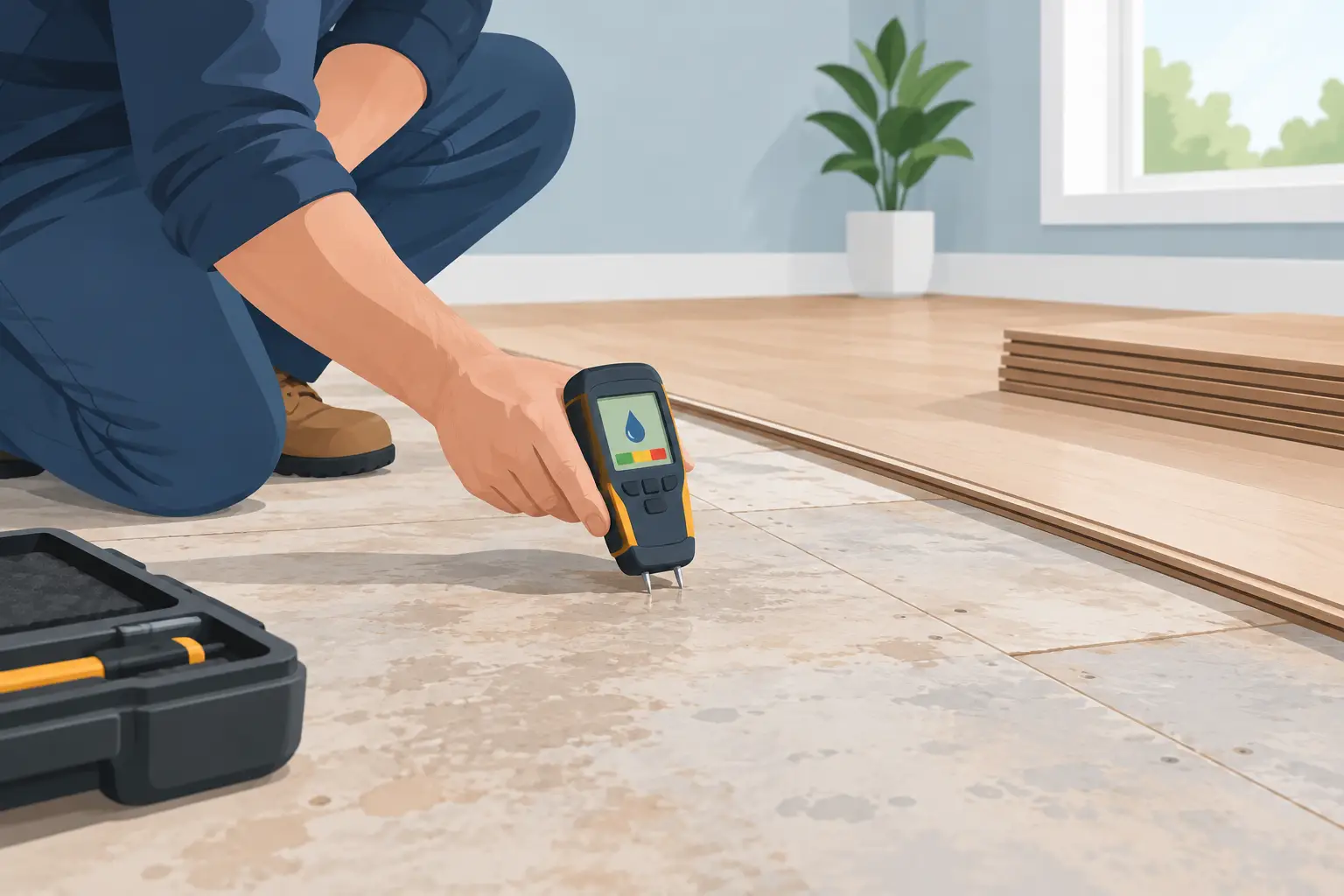
Before installation, the site should be measured and checked for moisture, subfloor condition, levels and access. That free on-site measure is where potential problems can be identified early. It is far easier to plan for a floor levelling requirement or a difficult transition before quoting than to surprise the customer halfway through the job.
Trade Flooring NZ works from this end-to-end approach: product advice, samples and viewings by appointment, measure and quote, supply, installation and a 12-month installation warranty. One accountable point of contact means the person recommending the floor understands how it will be installed.
That direct relationship also helps keep projects moving. Permanent stock availability can make a real difference when a renovation schedule is tight, a builder needs materials on site, or homeowners want their rooms back quickly. Once the floor is installed correctly, it is ready to be lived on, not treated as a fragile display piece.
Questions Worth Asking Before You Commit
A flooring quote should be easy to understand. Ask whether subfloor preparation is included, what underlay and trims are required, how the floor will deal with door jambs and transitions, and whether furniture moving or rubbish removal is part of the scope. Ask who will actually install it and who you call if something needs attention.
It is also sensible to ask for samples and look at them in your own home. Colour shifts under different light. A pale oak can look cool in one room and warm in another, while a darker board can make a narrow hallway feel more enclosed. Put samples beside cabinetry, paint, curtains and tiles before making the call.
For new builds, get flooring involved early enough to coordinate floor heights with cabinetry, doors, stairs and adjoining surfaces. For renovations, do not assume existing flooring can simply be covered. Sometimes it can. Sometimes removing it is the better long-term answer because it allows the substrate to be corrected properly.
Value Is a Floor That Stays Looking Good
The point of direct supply is not just to pay less. It is to avoid paying retail mark-ups while still getting clear advice, quality products and craftsmanship that holds up. The cheapest material is rarely the best value if it fails under heat, telegraphs an uneven subfloor or needs replacing before its time.
Choose a floor that suits your house, your family and your budget, then make sure the person supplying it understands the technical details from first measure to final trim. That is how a new floor earns its place in the home - every day, not just on installation day.