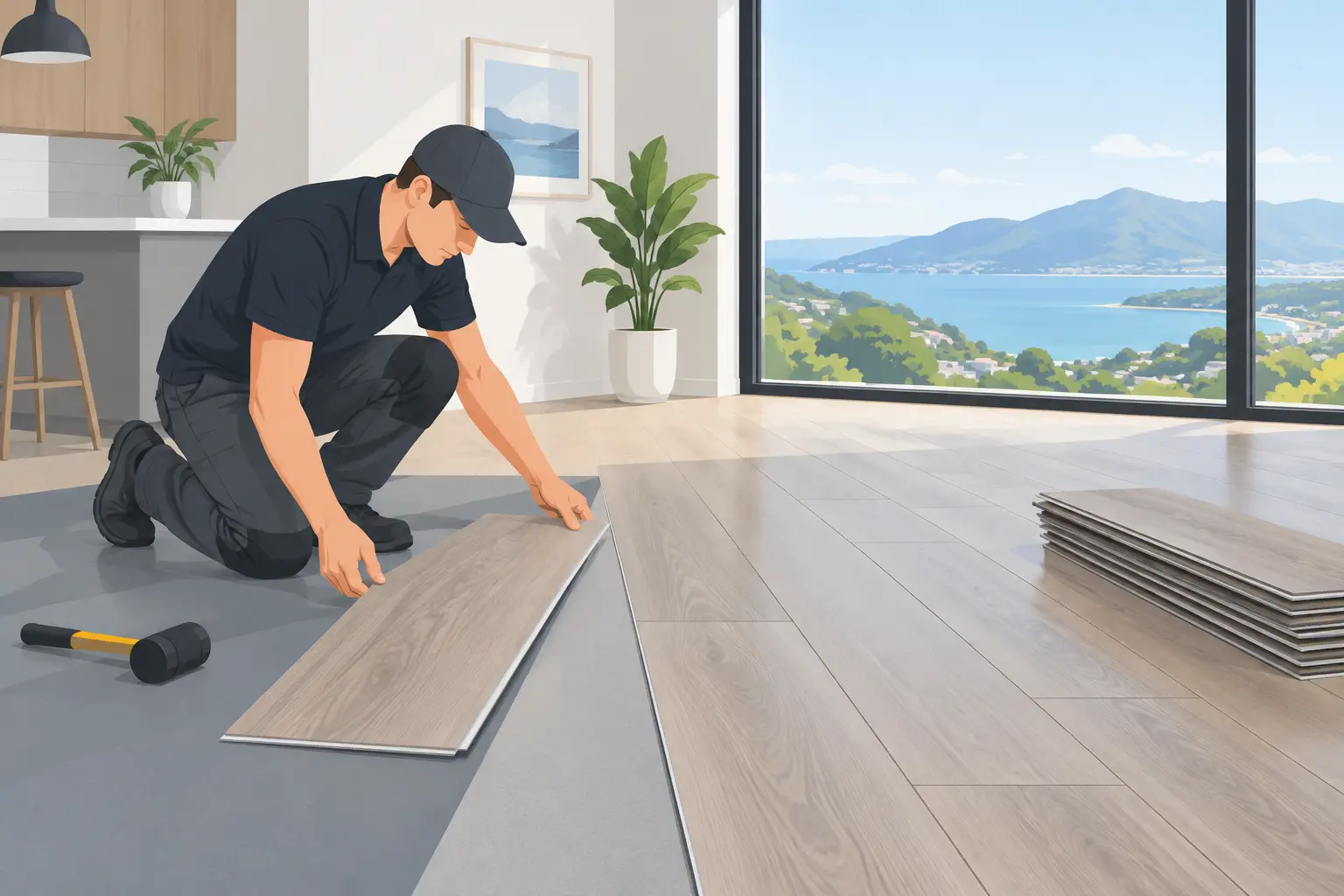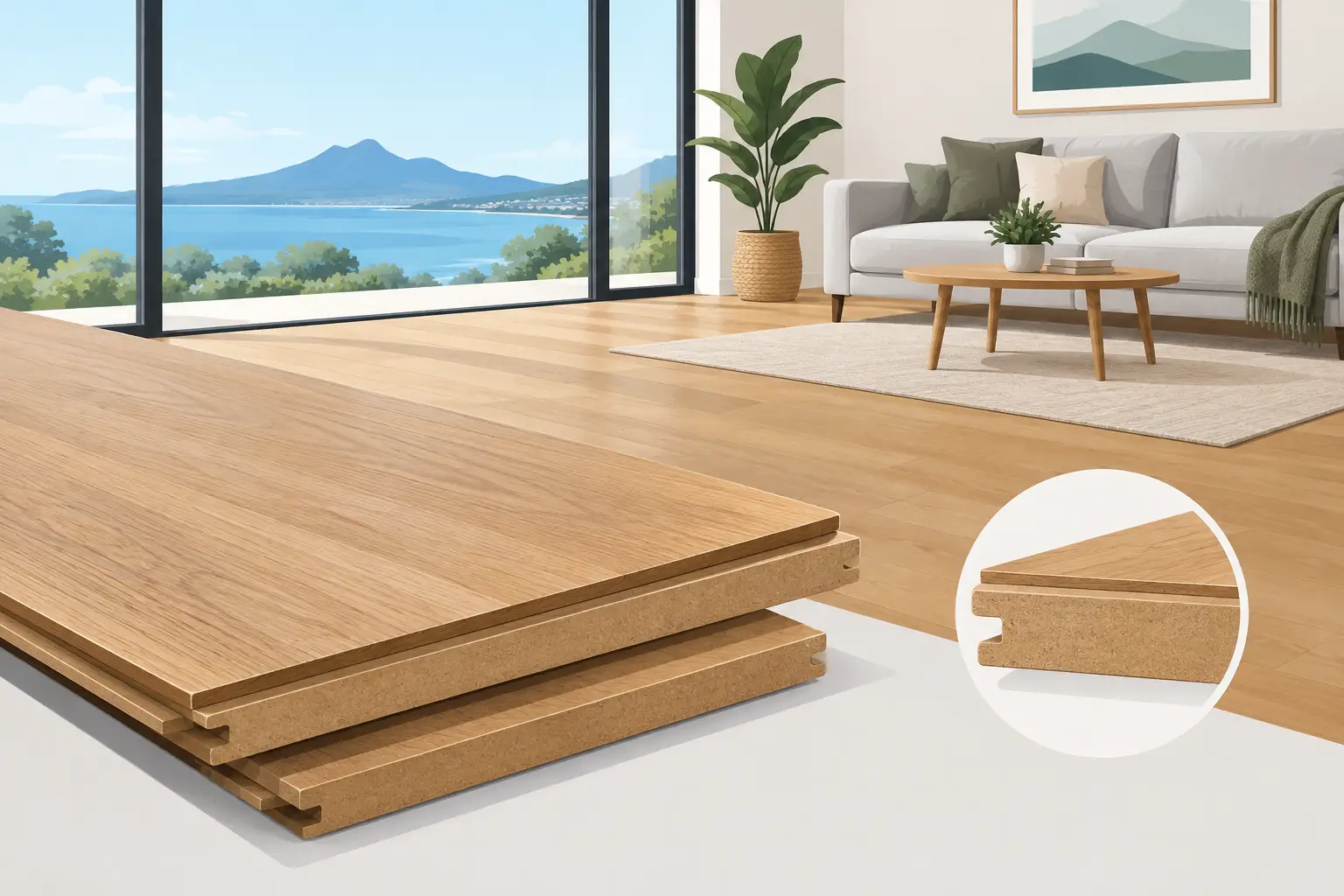

A floor can look spot-on under showroom lights, then feel completely different once it is laid through a sunny kitchen, a dark hallway or a living room full of family life. That is why flooring samples before buying are not a nice extra. They are the simplest way to avoid choosing a colour, finish or material that disappoints after installation.
A sample will not tell you everything, but it will tell you far more than an online image or a quick glance at a display board. Used properly, it lets you assess the real-world questions: Will the tone fight with the cabinetry? Is the surface comfortable underfoot? Will the board suit the amount of sun, sand, paws and traffic this room gets?
Why flooring samples before buying matter
Flooring is a large visual surface. A small colour difference that seems insignificant on one plank can dominate an open-plan room once there are 60 square metres of it. Natural light shifts throughout the day, walls throw reflected colour, and existing furnishings can make warm timber tones look golden, orange, grey or muted depending on their surroundings.
Samples also make the practical side easier to judge. Run your hand over the texture. Put it beside the skirting, kitchen joinery and tile you are retaining. Walk on it in bare feet and in the shoes that come through the front door. A floor should look good, certainly, but it also has to work hard without becoming another thing to worry about.
For Northland and Auckland homes, sunlight deserves particular attention. Large glazed areas can generate serious heat on a floor. The right product and installation method depend on the room, the exposure and the subfloor, not just the colour you like best. A sample helps begin that conversation, but a proper site assessment finishes it.
Start with your home’s light, not a display light
Take the sample into the actual room where the new floor will go. Leave it there for several days rather than making a decision in five minutes. View it in early morning, full afternoon sun and at night under your usual lights.
A pale oak-look board may brighten a low-light lounge, while the same board can appear almost white in a north-facing room. Darker tones can look rich and grounded, but they may show dust, pet hair and fine scratches more readily. Mid-tones often hide daily life better, though there is no universal winner. The best choice depends on the home and the level of maintenance you are happy to take on.
Hold the sample flat on the floor, not upright against a wall. Flooring catches light differently when it is horizontal. Move it near windows, into corners and alongside thresholds. If you are choosing flooring for an open-plan area, test it in the kitchen, dining and living zones. One continuous floor has to work with every part of the space.
Check it against the fixed elements
Cabinetry, benchtops, paint, fireplace surrounds and existing tiles are usually more expensive or difficult to change than flooring samples. Place the sample beside them rather than relying on memory.
Pay attention to undertones. A board described as grey may carry brown, beige, green or warm honey notes. A white kitchen can also be warm or cool. When undertones clash, the room can feel slightly wrong even when each individual finish is attractive. When they work together, the result feels intentional without trying too hard.
If you are repainting, do not finalise the wall colour first. Flooring typically remains for much longer than paint, so choose the floor and then test paint swatches alongside it.
Put the sample through ordinary life
A flooring sample should not live carefully on the dining table. Put it where your household is hardest on surfaces. Set it by the back door where shoes, grit and wet feet arrive. Place it near the dog’s bed. Let the kids walk across it. This is not a laboratory test, but it is useful common sense.
Try a few sensible checks. See how easily crumbs and dust show. Wipe it with a damp cloth. Place it next to the rug you plan to keep. If texture matters to you, feel whether the embossing is subtle enough for cleaning yet gives the timber look you want. Do not deliberately gouge or abuse a sample, but do ask frank questions about scratch resistance, dents, moisture and cleaning before you sign off.
Families often want a floor that looks refined without needing constant attention. Composite flooring can be a strong option for busy areas because it is designed for everyday durability and straightforward care. Bamboo offers a different appeal: a genuine, sustainable material with warmth, character and a premium feel underfoot. Neither is automatically right for every room. The decision should follow your lifestyle, site conditions and visual brief.
Compare more than one board
One loose plank can be misleading. Timber-look flooring is designed with variation in grain, knot detail and shade so a finished floor does not look repetitive. Ask to see several boards from the chosen range, then lay them side by side in a loose patch.
This is especially worthwhile with bamboo and any product that has pronounced grain movement or colour variation. You want to know whether the light and dark boards suit your taste, not just whether the best-looking sample does. A small group of planks gives a much truer impression of the overall floor.
Also compare the sample with the doorways and adjoining rooms. If you are changing only part of the house, transitions matter. A floor does not need to match every existing surface exactly, but the tones should sit together comfortably. The right aluminium trim and transition detail can make separate materials look deliberate rather than patched together.
Assess the whole flooring system
The board is only one part of the finished result. Underlay, moisture protection, subfloor preparation, trims, expansion allowances and installation quality all affect how the floor performs and how it looks at the edges.
Use the sample stage to ask the questions that prevent costly surprises later. Is the existing subfloor level enough? Will doors need trimming? How will the new floor finish against tile, carpet, sliding doors and stairs? Is there adequate allowance around walls and fixed joinery? These details are where a professional installation earns its keep.
A floating composite floor may install quickly and allow immediate use, but it still needs a sound, prepared base. Bamboo requires the correct approach for the product, substrate and environment. Cheap installation shortcuts can lead to movement, gaps, poor transitions or premature wear. A sharp product price only remains good value when the finished floor is properly specified and fitted.
Use samples to narrow the choice, then measure the site
A sample helps you choose the direction. It does not replace an on-site measure. Once you have two or three serious contenders, get the room assessed before making a final call. That is when dimensions, subfloor condition, sun exposure, access and transition details can be considered together.
At Trade Flooring NZ, that process is practical and accountable: select the look, inspect the site, receive a clear quote, then install the complete system properly. No costly showroom overheads. No unnecessary middlemen. Just the material that suits the job and the workmanship to match.
Bring your sample decision back to one useful question: can you picture this floor handling an ordinary Tuesday in your home? If it still looks right in changing light, alongside your finishes and under the pressure of real family life, you are much closer to a choice you will enjoy for years.