A floor has to do more than look good on handover day. It needs to handle sandy shoes, muddy paws, dropped toys, dining chairs, bright Northland sun and the daily traffic of a real home. The top benefits of bamboo flooring come down to this: it delivers a sharp, natural look with serious day-to-day performance, without the premium retail mark-up often attached to hardwood.
For new builds and renovations across Whangarei, Auckland and the wider Northland region, bamboo is a strong option when it is specified properly and installed with care. It is not a one-size-fits-all answer, but for the right home it is a floor that earns its keep.
Why bamboo flooring is built for busy homes
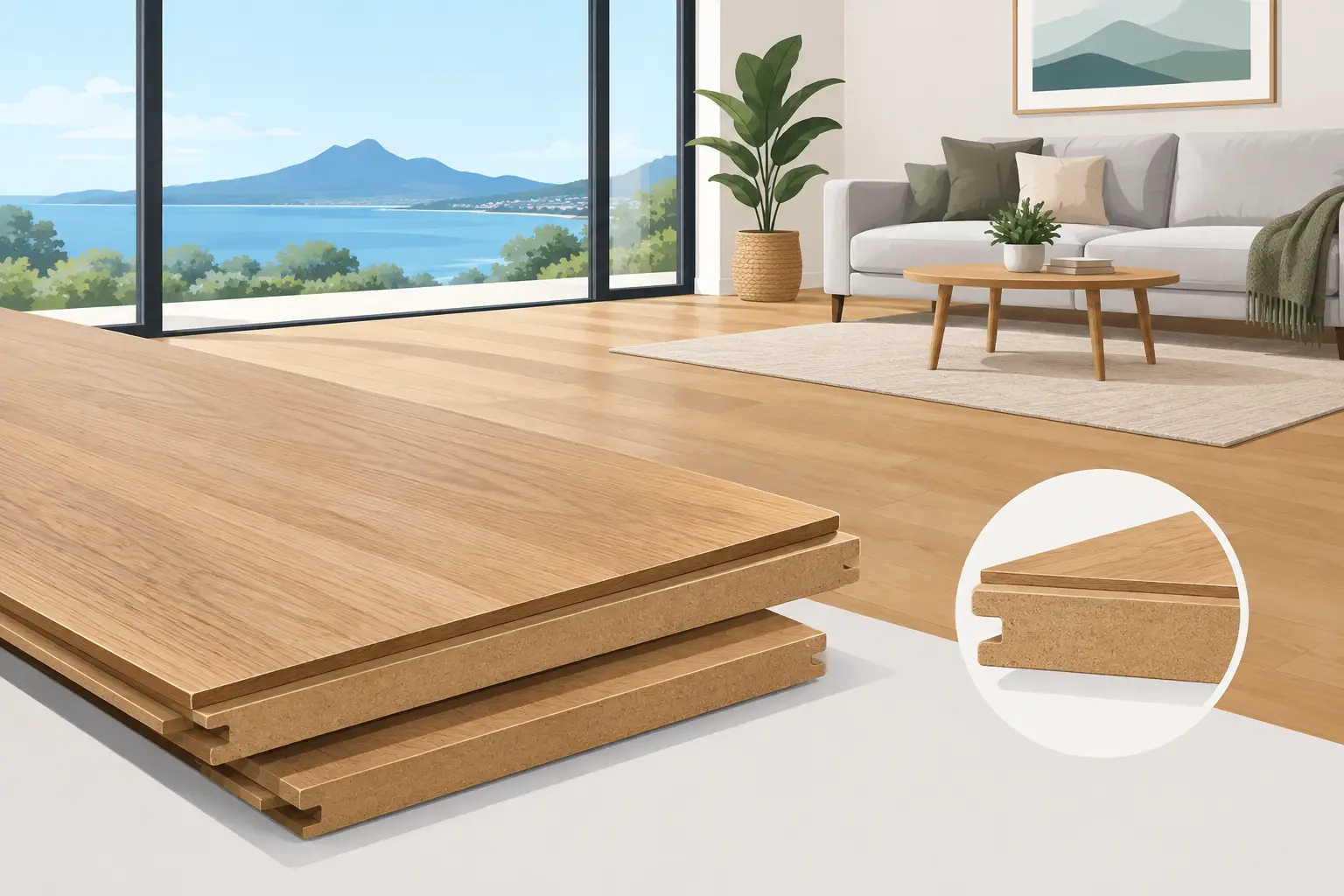
Quality bamboo flooring is commonly made by compressing bamboo fibres under high pressure, particularly in strand-woven products. The result is a dense, stable board with the strength needed for active households. That density is one reason bamboo has become a practical alternative for homeowners who like the character of timber but need a surface that can take more punishment.
This matters when children drag chairs across the kitchen, dogs race down the hallway or guests arrive straight from the garden. No floor is completely scratch-proof, and anyone claiming otherwise is overselling it. But a well-finished, quality bamboo floor offers strong resistance to the scuffs and marks that quickly make softer flooring look tired.
The finish matters just as much as the board itself. A durable coating helps protect the surface, while sensible habits such as felt pads under furniture and entrance mats at exterior doors keep any hard floor looking better for longer. Bamboo gives you a tough starting point. Good product selection and proper care do the rest.
The top benefits of bamboo flooring in a New Zealand home
A natural look without the slow-growing timber wait
Bamboo has clean grain, warm variation and a refined finish that works across a wide range of interiors. It can suit a coastal renovation, a crisp contemporary new build or a family home that needs to feel polished without becoming precious. Lighter tones can open up smaller rooms, while deeper colours add contrast and depth to open-plan spaces.
Unlike traditional timber, bamboo regenerates quickly. Bamboo is a grass, not a hardwood tree, and mature material can be harvested on a much shorter cycle than many timber species. That does not make every bamboo product automatically sustainable. Responsible sourcing, manufacturing standards and transport all matter. Still, bamboo is a compelling choice for homeowners who want a renewable material without compromising on appearance.
Serious value at the right quality level
A good floor should be judged on more than its ticket price. The true cost includes durability, installation quality, future maintenance and how the floor supports the value of the home. Bamboo can provide the visual impact of a premium hard floor at a more sensible price point than many conventional timber options.
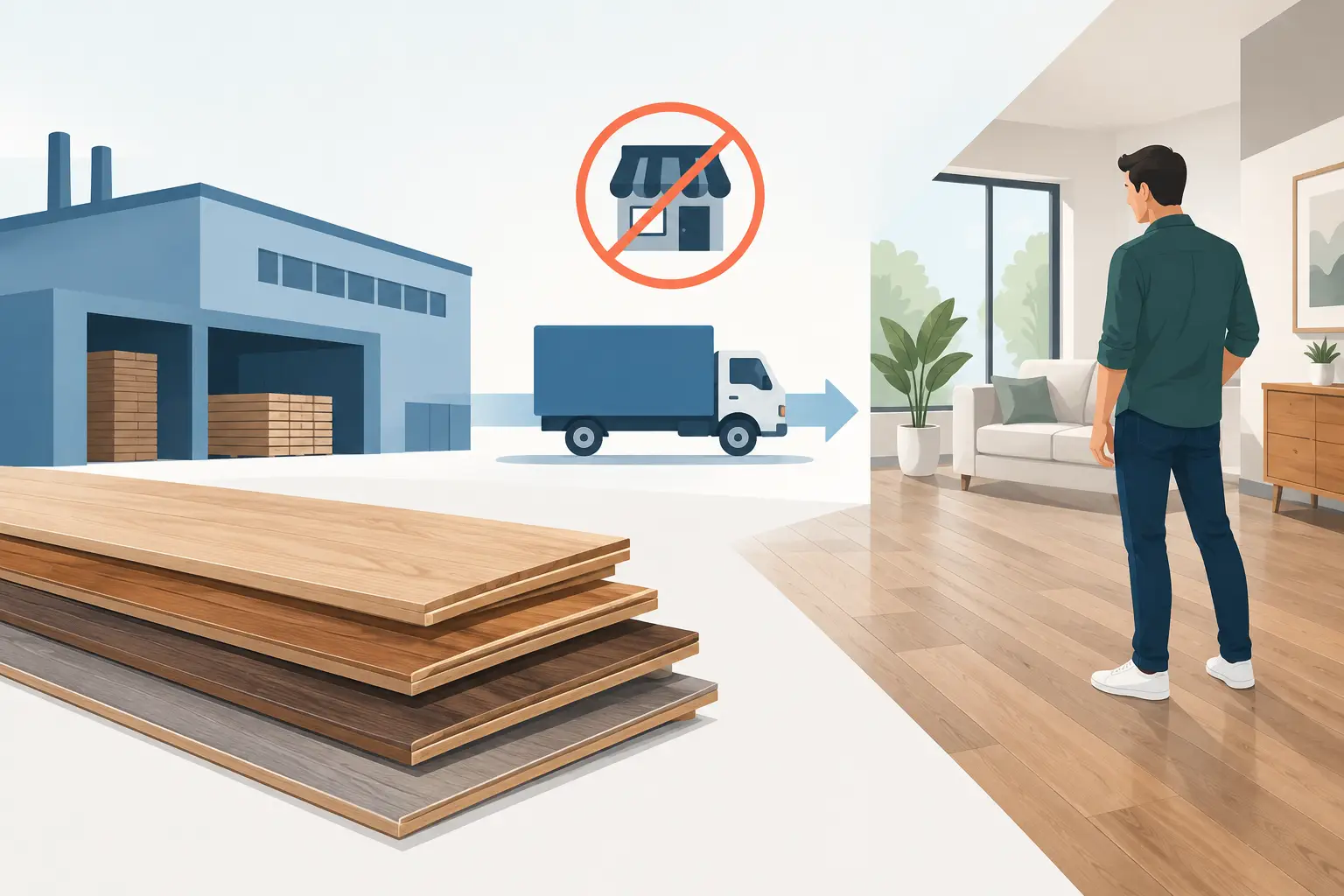
The biggest savings often come from buying through a specialist importer rather than paying for layers of retail overhead. Trade Flooring NZ works directly with homeowners, supplying and installing flooring without costly showroom margins or unnecessary handovers between sales staff, suppliers and installers. That means clearer advice, sharper pricing and one person accountable for the finished result.
Value does not mean choosing the cheapest board available. Low-grade bamboo or poorly matched accessories can create problems that cost far more than the initial saving. The smart approach is to choose a proven product, allow for proper preparation and have the work measured and quoted before materials are ordered.
Warmth and comfort underfoot
Bamboo gives a room a warmer, more natural feel than tile or polished concrete. It is comfortable to walk on, quieter underfoot than many hard surfaces and easy to pair with rugs in bedrooms and living areas. For families, that can make a noticeable difference to how the house feels every day.
It also creates visual continuity. Running the same flooring through living, dining and hallway areas can make a home feel larger and more connected. With the right transition details, bamboo can provide a clean, considered look from the front door through to the main living spaces.
Easy everyday cleaning
Busy homeowners do not need another high-maintenance surface. Bamboo flooring is straightforward to keep clean: vacuum or sweep regularly to remove grit, then use a lightly damp microfibre mop with a cleaner approved for the floor finish. Wipe spills promptly and avoid soaking the boards with water.
That last point is worth being clear about. Bamboo is not the best choice for every wet area. Bathrooms, laundries and spaces with frequent standing water need a flooring system designed specifically for those conditions. In kitchens, dining rooms and living areas, bamboo performs well when spills are dealt with quickly and the installation is correctly finished around edges and transitions.
A floor that can be repaired or refreshed
Long-term practicality is another advantage. Depending on the product construction, wear layer and condition, some bamboo floors can be refreshed rather than replaced when the surface eventually shows its age. That is not a guarantee for every board, and it should be checked before purchase. But the potential to renew a floor supports its value over time.
Even before refinishing is needed, small marks tend to be less noticeable in a floor with natural variation than on a flat, single-colour surface. A bamboo floor is designed to be lived on. It should develop character, not become a source of anxiety every time someone walks in wearing shoes.
Heat, sunlight and the details that decide performance
Northland and Auckland homes often have large glazed doors, skylights and sunny open-plan rooms. They are great features, but they can create demanding flooring conditions. Direct sun and heat build-up can affect any flooring material, including bamboo. Darker colours may show fading or heat stress sooner than lighter tones, while extreme solar exposure can increase the risk of movement.
This is where technical advice matters more than a quick showroom sale. The floor needs to be assessed alongside the room, subfloor, glazing, window coverings and expected temperature changes. Expansion gaps, moisture testing, underlay selection and the right trim details are not minor extras. They are what allow the floor to move as intended and still look finished to the point of perfection.
If a room receives relentless afternoon sun, consider blinds, curtains or UV-control glazing solutions as part of the plan. In some cases, an advanced composite floor may be a better fit for the area. A reliable flooring specialist should tell you that plainly, rather than forcing bamboo into a room where it is not the right product.
Installation is where a good bamboo floor becomes a great one
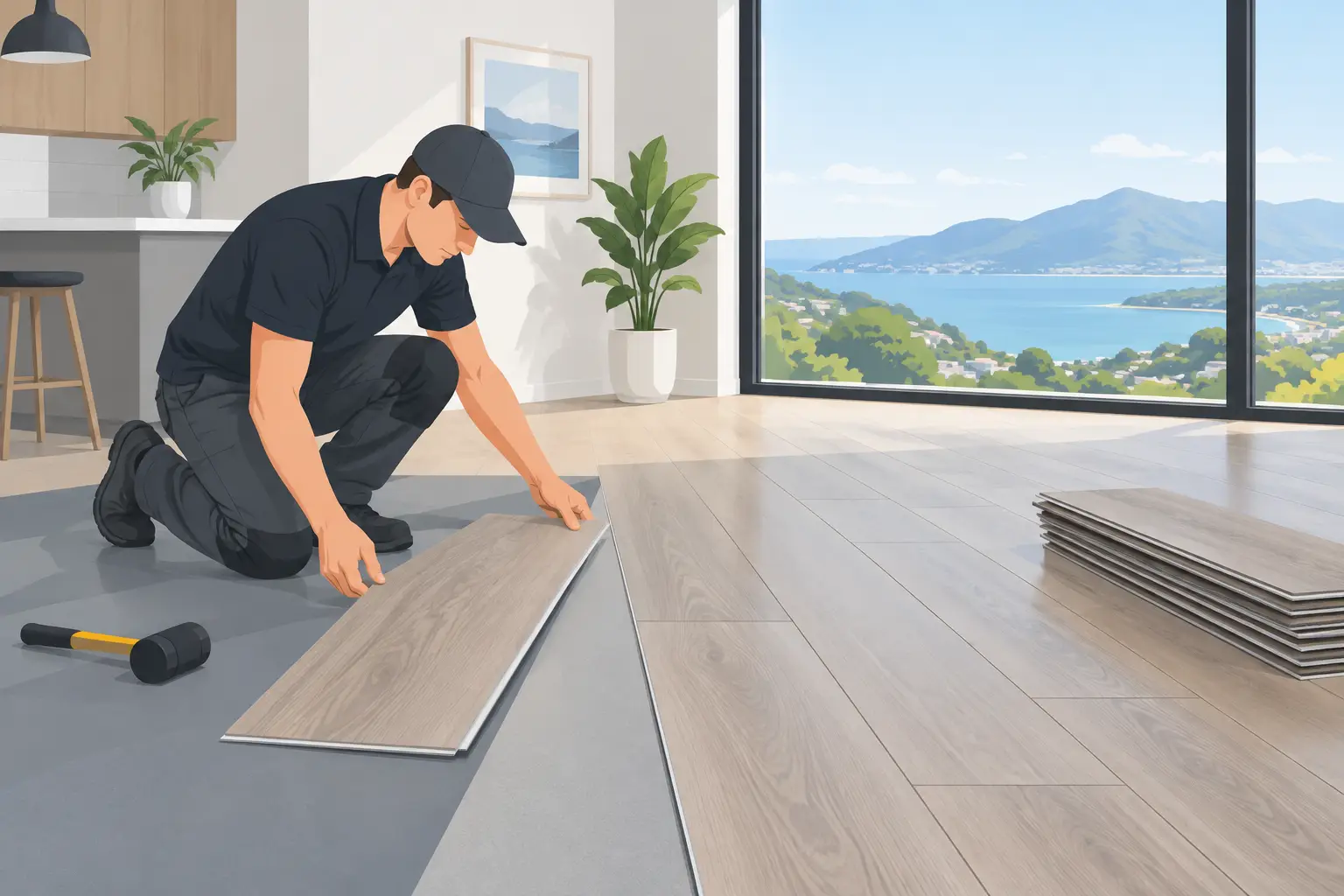
The board is only half the job. Poor preparation can ruin excellent flooring, while accurate measurement and professional fitting give it the best chance of performing for years. The subfloor must be clean, dry, level and structurally sound. Moisture levels need checking, especially over concrete slabs or in older homes where past water issues may not be obvious.
Acclimatisation, board layout and expansion allowances also need attention. A skilled installer will plan the direction of the floor, avoid awkward narrow cuts at walls where possible and make sure transitions to carpet, tile and exterior doors are properly finished. These are the details homeowners notice long after the installers have left.
For a renovation, a site measure before committing to a product removes guesswork. It identifies subfloor work, height differences, door clearance issues and trim requirements upfront. That produces a more accurate quote and reduces the risk of costly surprises once the job is underway.
Is bamboo the right choice for your project?
Bamboo is particularly well suited to dry living areas, hallways, bedrooms, dining spaces and family rooms where homeowners want natural style with strong practical performance. It is a compelling option for households with children and pets, provided expectations are realistic and the right finish is selected.
It may not be the best fit for bathrooms, consistently damp spaces or rooms with extreme unprotected solar heat. That is not a weakness unique to bamboo. It is simply good flooring advice. Matching the product to the room is how you avoid regret.
Start with the room, not just the sample. Look at the sunlight, the subfloor, the way your household lives and the finish you want to see every morning. With a proper on-site assessment and precision installation, bamboo flooring can give your home a durable, sustainable surface that still feels like a step up every time you walk through the door.