
A new floor can look impressive in a sample board, then disappoint badly if the preparation, expansion allowance or finishing details are wrong. Professional flooring installation Auckland homeowners can rely on starts well before the first plank is laid. It starts with an honest look at the home, the subfloor, the light, the traffic and how the space is actually used.
For a family home, rental renovation or new build, flooring is not a minor finishing touch. It is the surface that takes the daily punishment: wet shoes at the entry, claws racing down the hallway, chair legs in the dining area and strong Auckland sun through wide glass doors. The right product matters. So does the person installing it.
Why professional flooring installation in Auckland matters
Auckland homes present plenty of flooring variables. Concrete slabs can retain moisture. Older timber subfloors may be uneven or move with the seasons. Large north-facing glazing can create serious heat exposure, particularly in open-plan rooms. These are practical site conditions, not sales talking points, and they need to be considered before a floor is selected.
A professional installer checks the subfloor rather than assuming it is ready. Moisture readings, flatness, transitions between rooms, door clearances and existing floor levels all affect the final result. Skipping these checks may save time on day one, but it can lead to movement, gaps, noise, lifted boards or damaged edges later.
The best flooring choice also depends on the room. A beautiful timber-look floor may be ideal throughout a living area, while an entry, kitchen or sun-drenched family room could call for a more stable composite option. There is no one-size-fits-all answer. Good advice should explain the trade-offs clearly rather than pushing whatever happens to be on special.
The installation is where performance is decided
Even premium flooring can fail to perform if it is installed over an unsuitable base or finished carelessly. Click systems may look straightforward, but a professional finish relies on accurate layout, correct expansion gaps, properly selected underlay and trims that protect exposed edges without looking clumsy.
The first few rows set the line for the whole room. If they are not straight, every subsequent row follows the error. Installers also need to plan cuts around jambs, cabinetry, fireplaces, stair nosings and irregular walls so the finished floor looks deliberate, not patched together.
Underlay is another area often overlooked. It is not simply a layer hidden beneath the boards. The right underlay can support acoustic comfort, manage minor subfloor imperfections and help the floor system perform as intended. On the wrong subfloor, or with the wrong product combination, it can do very little.
Then there are the transitions. A flooring project should not end with a raw edge at a doorway or an awkward height difference between the kitchen and hall. Quality aluminium trims and carefully planned joins protect the floor and give the job the clean, finished appearance homeowners expect.
Moisture and flatness come first
Flooring cannot correct a poor subfloor. If a concrete slab has excess moisture, that needs to be addressed before installation. If the surface is uneven, it may require levelling work. Laying boards over the top and hoping they settle is not workmanship - it is a shortcut with a bill attached later.
Timber subfloors deserve the same attention. Loose sheets, dips, high spots and inadequate ventilation underneath the house can all affect a floating floor. A site measure is the right time to identify these conditions, explain what needs doing and provide a quote that does not hide the important details.
Sun, heat and everyday wear need the right floor
Auckland's big glazed living spaces are great for light, but they can be tough on flooring. Direct sun can generate heat that tests the stability of some products. This is where advanced composite flooring, including stone polymer composite options, can be a practical choice for busy, high-exposure areas.
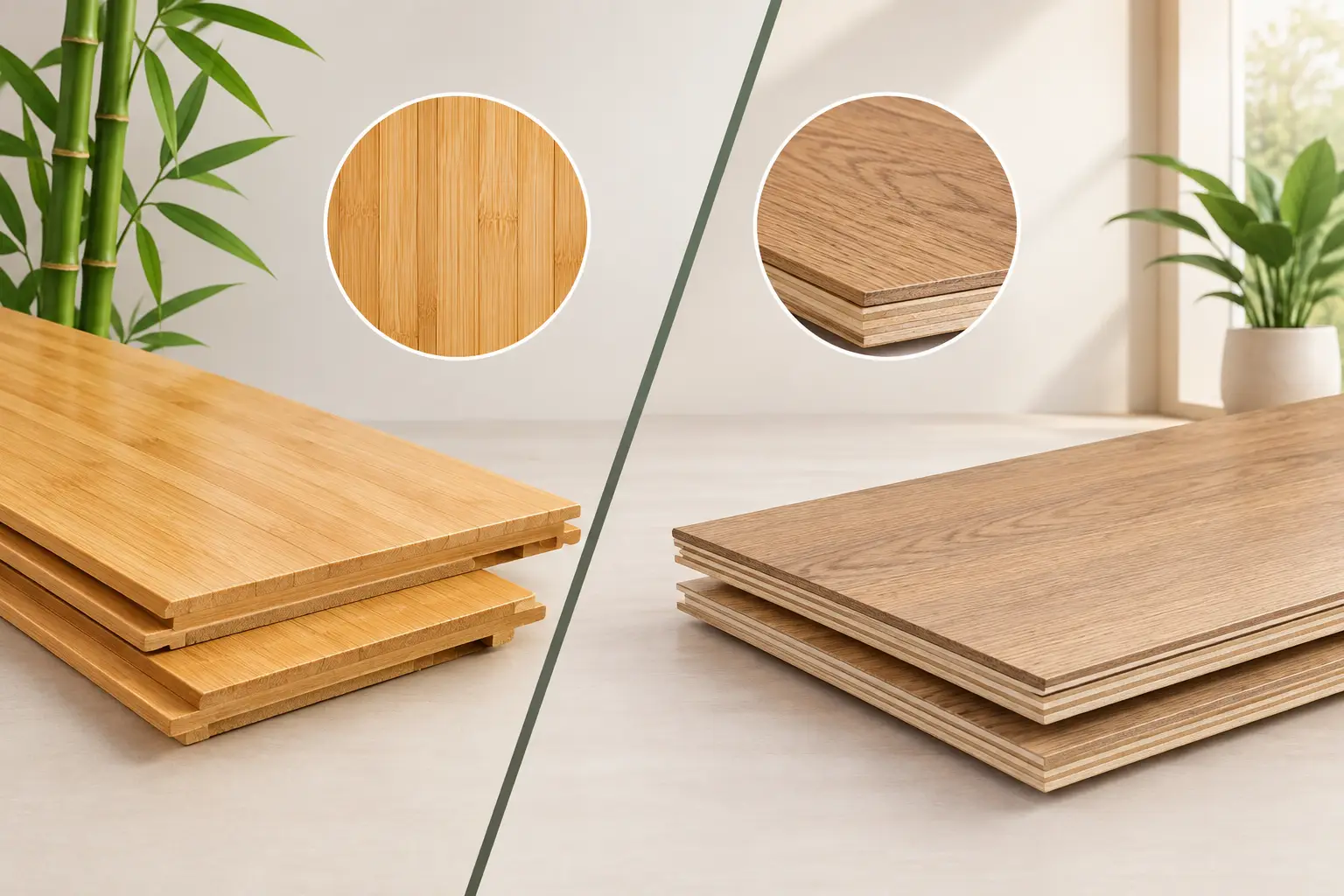
Bamboo flooring remains a strong option for homeowners wanting a premium, natural-looking and more sustainable floor. It brings warmth and character to a home, but as with any flooring material, the room conditions and installation method need to suit the product. The sensible choice is the one that matches the site, not the one with the loudest label.
For homes with children and pets, scratch resistance, easy cleaning and water resistance usually sit high on the list. Composite floors are popular for good reason: they are hard-wearing, practical and designed for real household life. That does not mean they are indestructible. Grit at the front door, dragged furniture and neglected spills can damage any floor, so a few simple care habits still matter.
A better process from measure to final finish
The smoothest flooring projects are organised before materials arrive. A proper on-site measure confirms the area, identifies cuts and transitions, checks access, and allows the installer to see issues that a plan or rough room measurement will miss.
From there, product selection should be based on how you live. Do you need a hard-wearing floor for a dog and two active kids? Are you renovating around existing cabinetry? Is the room exposed to heavy afternoon sun? Do you want a floor that complements a clean contemporary kitchen or brings warmth to a character home? These answers shape the recommendation.
Once the quote is accepted, availability matters. A project can stall quickly when stock is sitting offshore or a supplier has no clear delivery date. Direct-import stock held locally gives homeowners more certainty, particularly when other trades are booked around the flooring stage.
At Trade Flooring NZ Ltd, the same hands-on specialist can guide the material decision, inspect the site and manage the installation. That accountability matters. There is no showroom salesperson making promises, then passing the technical questions to somebody else. The person responsible for the finished floor understands what is being installed and why.
What professional workmanship looks like
Homeowners do not need to know every technical term to judge a good flooring job. The signs are visible. Planks run consistently through the space. Perimeter gaps are concealed neatly. Doorways are finished cleanly. Trims sit firm and straight. There are no obvious chips, uneven joins or sections that flex and click underfoot.
Just as importantly, the installer leaves the site ready for the next stage. Floors should be protected where other work remains, rubbish removed, and care instructions explained in plain language. If a question comes up after completion, a 12-month installation warranty gives customers confidence that workmanship is backed rather than forgotten.
Price still matters, of course. Professional installation is not about paying more for the sake of it. It is about avoiding the false economy of cheap materials, unclear scopes and rushed fitting. Direct importing and avoiding conventional showroom overheads can create real savings, while retaining the site assessment and craftsmanship that prevent expensive mistakes.
Before you book an installer
Ask who will inspect the site and who will actually install the floor. Ask whether the subfloor will be checked for moisture and level. Confirm what underlay, trims and finishing details are included in the quote. These are not fussy questions. They are the details that separate a floor that simply looks new from one built to stay looking good.
Also be clear about timing. Flooring is usually installed after messy building work is complete, but before final furniture goes in. If painters, cabinetmakers or electricians are still moving through the house, plan protection and access early. A little coordination keeps a finished floor from becoming a workbench for the next trade.
The right floor should suit the way your household lives, handle the conditions of the home and be installed with care from the first row to the final trim. Get those three things right, and every time you walk through the door, the result will speak for itself.