
A worn carpet edge, lifting vinyl seam or scratched timber-look board can make an otherwise good room feel tired. Replacing old flooring in a house is one of the fastest ways to change that, but it is not a job to rush. The floor you see is only part of the picture. What sits underneath, how much sun enters the room and how your household lives on the surface all matter just as much.
For Northland and Auckland homes, the right replacement floor needs to handle real life: wet shoes at the door, pets charging through the hallway, children dropping things, and strong sunlight through large glazed areas. Choose well and install properly, and your new floor will look sharp for years rather than becoming the next renovation problem.
Start With What Is Under the Old Floor
Before choosing colours or plank widths, establish what is beneath the existing flooring. A sound, dry and level subfloor gives a new floor the best possible start. A poor one can lead to movement, hollow spots, visible joins or premature wear, no matter how good the product is.
Older homes can conceal uneven timber floors, loose particleboard, old adhesives, moisture issues and patches where previous owners have made quick repairs. Concrete slabs can also hold residual moisture, particularly in newer builds or areas with limited ventilation. Pulling up the old covering may reveal a straightforward surface, or it may reveal work that needs to be done before installation begins. That is why an on-site measure is worth far more than a rough estimate based on room dimensions sent by mobile.
In some cases, existing flooring can be left in place and covered. This may save demolition time, but only when the surface is stable, flat and appropriate for the new product. A thick pile carpet, damaged sheet vinyl or a floor with obvious movement is not a suitable shortcut. The extra height can also create issues at doors, stairs, skirting and transitions into adjoining rooms.
Replacing Old Flooring in a House: Choose for Daily Use
The best flooring is not always the one that looks best in a sample board. It is the one that suits the room, the household and the conditions of the home.
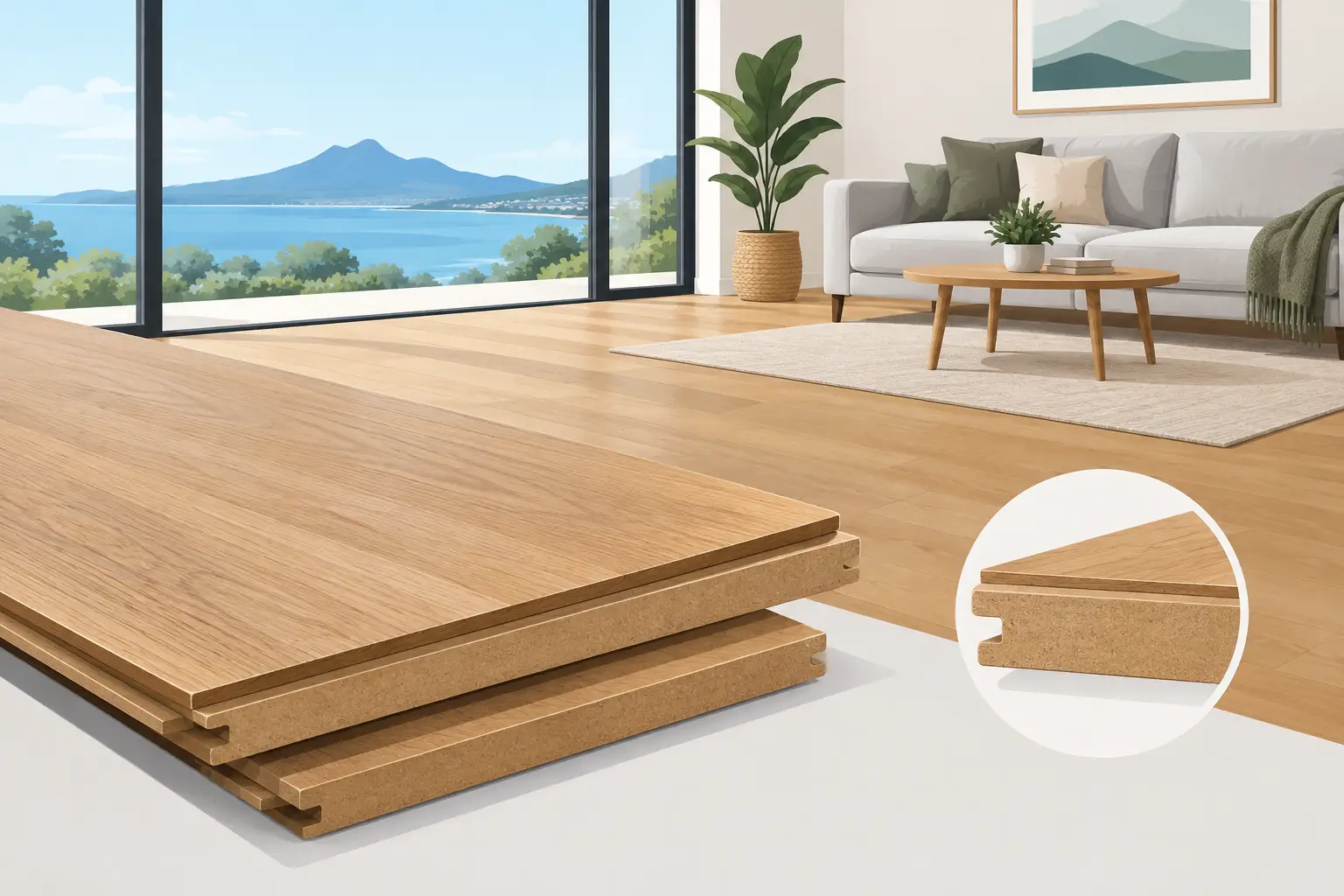
Bamboo flooring is a strong choice for homeowners who want a premium, natural-looking finish with genuine sustainability credentials. It brings warmth and character to living areas, bedrooms and open-plan homes, while offering excellent durability when the right construction and finish are specified. Bamboo is particularly appealing when you want a floor with more depth and authenticity than a printed surface can provide.
Advanced composite flooring, including stone polymer composite and MFB options, is built for practicality. It is scratch resistant, paw-tested, childproof and well suited to busy family homes. These products can be a smart answer for kitchens, hallways, rentals, renovations and areas where moisture resistance and easy cleaning are high on the list. Many homeowners also like the faster installation process and the ability to use the floor soon after the job is complete.
Neither option is automatically better. A calm, low-traffic lounge may suit bamboo beautifully. A home with two dogs, teenagers, regular visitors and a kitchen that sees plenty of action may benefit more from composite flooring. The decision should be based on performance first, then the look you want to live with.
Do Not Ignore Sun and Heat Exposure
Large windows are a feature of many modern New Zealand homes. They bring in light and connect living spaces to the outdoors, but they can create serious surface heat. Flooring near stacker doors, north-facing glazing and unshaded picture windows can be exposed to conditions that are very different from the rest of the room.
This is where generic sales advice can become expensive. Different products have different limits around direct heat, temperature changes and expansion. A flooring specialist should assess the room, ask about blinds or curtains, and consider whether the area receives sustained sun. Sometimes the answer is a product change. Sometimes it is better window covering, a different layout or a correctly planned expansion gap. The point is to deal with the condition before installation, not after boards begin moving.
Colour matters too. Pale boards can make a compact room feel more open and are forgiving of dust. Mid-tone timber looks often offer the easiest balance between warmth and everyday maintenance. Very dark floors can look striking, but they tend to show crumbs, pet hair and scratches more readily. A sample should be viewed in your own home at different times of day, not judged only under showroom lighting.
Prepare Properly Before the Install
A clean finish depends on the preparation work nobody notices once the furniture is back in place. Old carpet, underlay, staples, adhesive residue and skirting decisions all need to be handled in the right order. If floor levels are changing, doors may need trimming and transition details should be planned before the first plank goes down.
Subfloor levelling is not an optional extra when it is required. Floating floors can bridge minor imperfections, but they cannot correct a floor that is significantly out of level. Installing over high spots or dips puts unnecessary stress on joints and can affect how the floor feels underfoot. Proper underlay selection is also important, particularly where acoustic performance, moisture protection or minor subfloor imperfections need to be addressed.
This is also the time to decide what happens at room edges. Removing and refitting skirting usually provides the cleanest result because the expansion space is hidden behind it. Adding scotia is sometimes the practical choice, especially where existing skirting is difficult to remove without damage. There is no one-rule answer, but the decision should be made deliberately rather than treated as an afterthought.
Budget for the Complete Job, Not Just the Planks
Comparing flooring by square-metre price alone can be misleading. The real project cost includes preparation, underlay, trims, delivery, removal of old materials, labour and any remedial work required once the old floor comes up. A cheap product that needs replacing early or a rushed install that develops problems is not value.
Direct-import supply can make a noticeable difference to the budget by removing conventional retail mark-ups. At Trade Flooring NZ, homeowners can often save around $20 per square metre compared with standard retail channels, while still receiving advice, measurement, supply and professional installation from one accountable specialist.
Ask for a clear quote that identifies what is included and what may change if hidden subfloor issues are found. This avoids the awkward situation where a low initial figure grows once work has started. It also lets you compare like with like: product quality, warranty, accessories, preparation and workmanship all belong in the conversation.
Installation Is Where the Floor Earns Its Keep
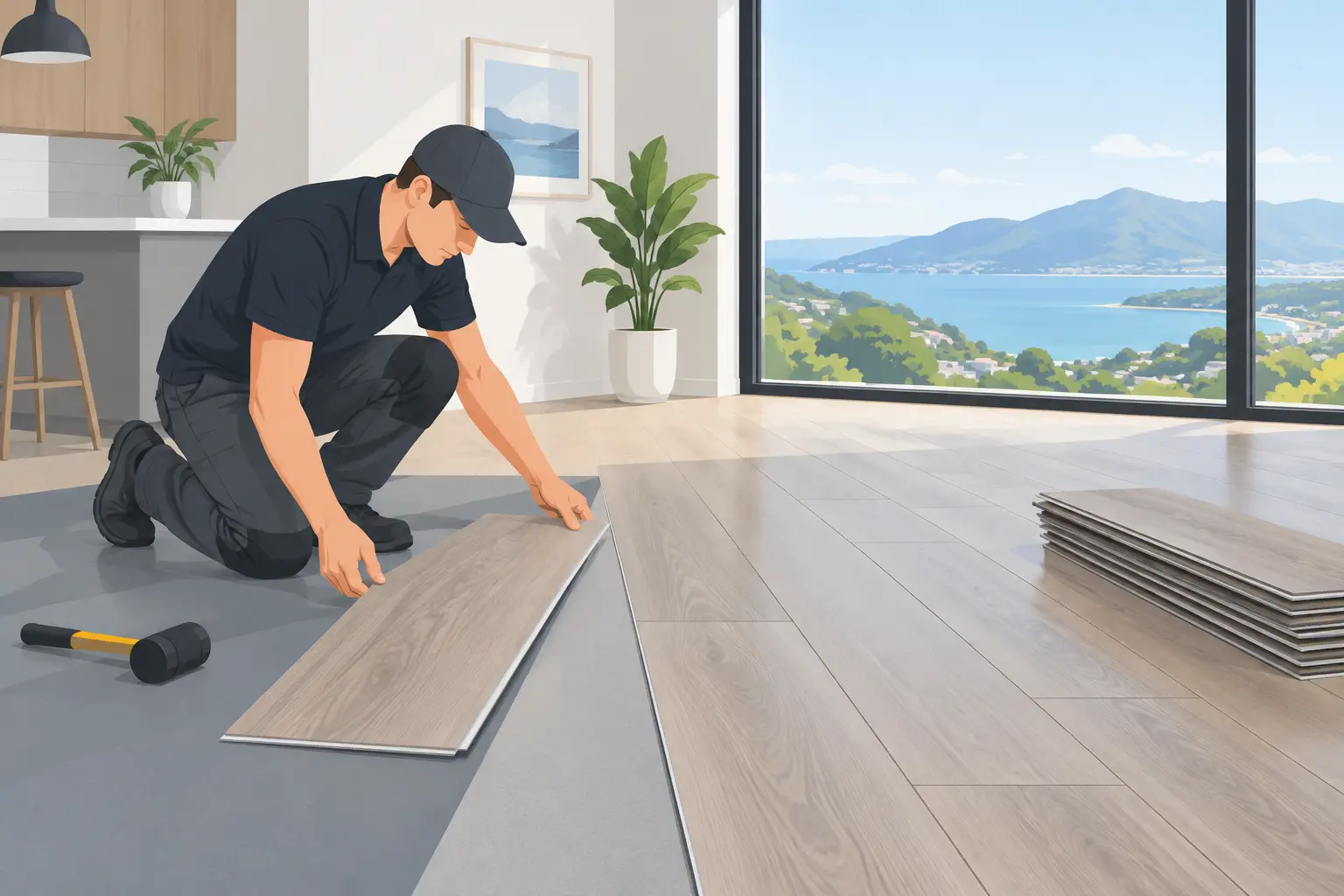
Good flooring installation is measured in the details. Boards should run in a direction that works with the room and available light. Joins need to be tight, perimeter gaps correctly allowed for, and aluminium trims fitted neatly where surfaces meet. Doors should open freely, and transitions should look intentional rather than patched together.
Professional installation also reduces disruption. Furniture can be moved out in stages, demolition contained, and the work planned around the rooms your family needs to keep using. Composite floors are often particularly efficient for renovation projects because of their installation system and immediate usability. With any product, permanent stock availability helps prevent a small job becoming a drawn-out wait for matching boards or trims.
Once the floor is down, protect it with felt pads beneath furniture, sensible entrance mats and a cleaning routine suited to the product. Avoid soaking the surface or using harsh chemicals simply because they are sitting in the cupboard. A little care protects the finish and keeps the floor looking like it was installed to the point of perfection.
The right replacement floor should make the home easier to live in, not give you another thing to worry about. Start with an honest assessment of the subfloor and sunlight, choose for the way your household actually operates, and insist on a finish that looks right at every doorway and edge.