
A good floor should not make a busy household feel precious. It should handle muddy shoes at the door, the dog charging through the lounge, dropped toys, dinner spills and the daily traffic of family life without demanding constant attention. That is why SPC flooring NZ homeowners are choosing has become a serious alternative to laminate, standard vinyl and timber-look products that cannot always cope with real conditions.
SPC stands for stone polymer composite. It is a rigid-core plank flooring designed for stability, water resistance and everyday durability. But not all SPC floors are made equal, and not every home needs the same specification. The difference is in the product quality, the preparation underneath it and the standard of installation.
What makes SPC flooring NZ homeowners can rely on different?
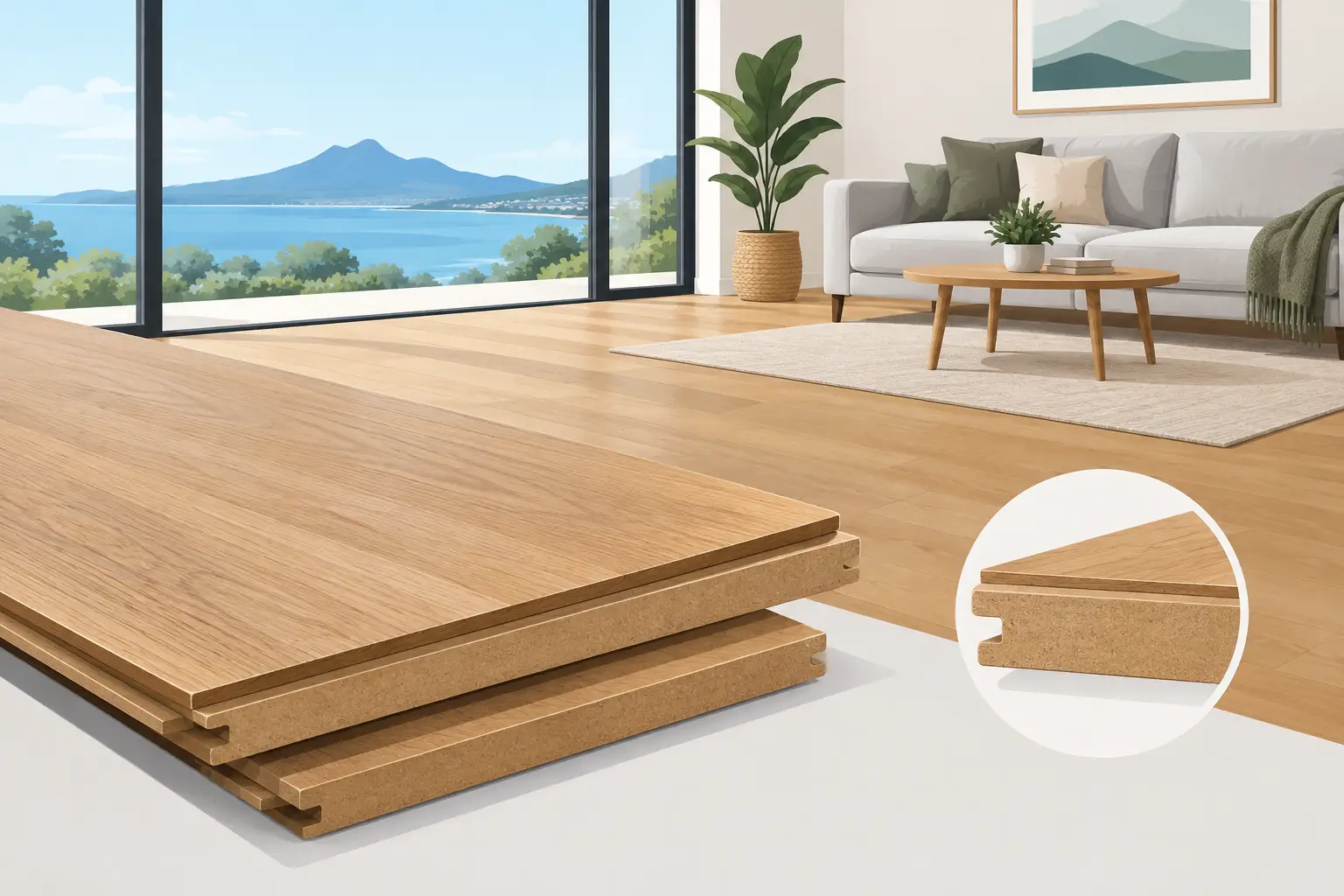
A quality SPC plank has several layers working together. The top wear layer protects the decorative surface from scuffs and scratches. Beneath that is the printed timber-look design, followed by the rigid stone polymer core that gives the plank its strength and stability. Many products also include an attached acoustic backing to reduce sound and improve underfoot comfort.
The rigid core is the key point. Compared with softer vinyl products, SPC flooring is less prone to movement caused by normal changes in temperature. That makes it a practical choice for Northland and Auckland homes, particularly where rooms have large windows, sliding doors or strong afternoon sun.
It is also highly water resistant. Spills can be wiped up without the panic associated with many timber and laminate floors. For kitchens, dining areas, hallways and family rooms, that is a genuine advantage. A waterproof floor is not a licence to leave standing water indefinitely, but it does give homeowners more breathing room when life gets messy.
The finished look matters too. Modern SPC is not the shiny, artificial-looking vinyl people remember from years ago. Better ranges have realistic grain, natural variation, matte finishes and plank proportions that suit contemporary homes. You get the warmth of a timber appearance with a surface that is far easier to live with.
Where SPC flooring performs best
SPC earns its place in high-use areas. It works particularly well through open-plan living spaces, kitchens, entrances, hallways and bedrooms where you want one continuous look without worrying about everyday wear. It is scratch resistant, paw-tested, childproof and built for busy homes.
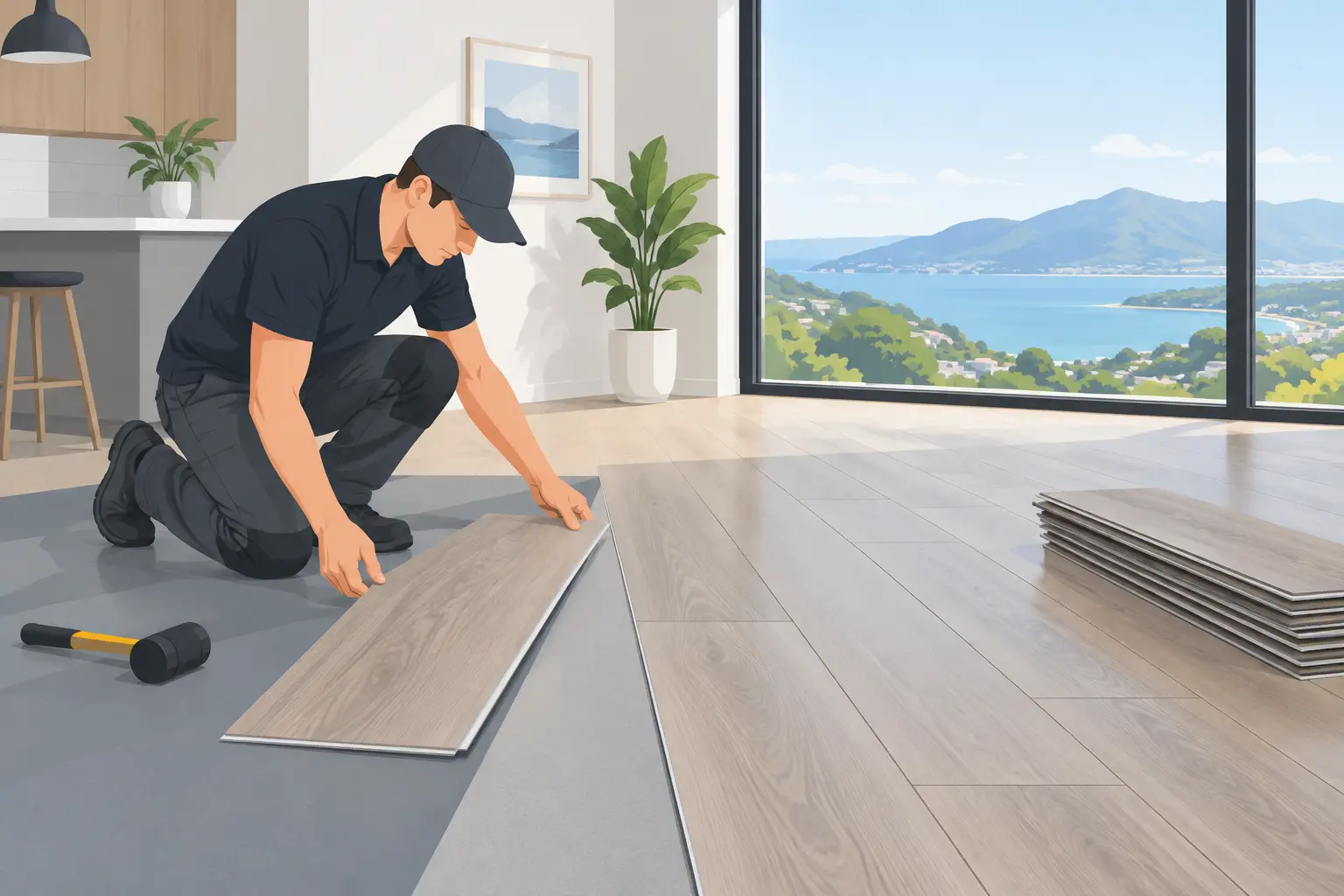
For renovators, it can also be a fast way to change the feel of a house. Replacing mismatched carpet, dated vinyl and worn laminate with a consistent plank floor can make rooms feel larger and more connected. Because SPC is generally installed as a floating floor, the process can be efficient when the existing subfloor is suitable.
New-build clients like the clean finish and predictable performance. Builders value a product that can be supplied reliably, installed professionally and handed over ready for use. Property renovators often appreciate the practical balance: a durable, attractive floor without paying conventional showroom margins.
That said, flooring selection should never be based on a showroom sample alone. A dark plank may look sharp but show dust more readily. A pale design can make a smaller room feel more open, but it needs to suit the cabinetry, wall colours and natural light. The right choice is the one that works in your home, not just under retail lighting.
Heat, sun and large glazed areas
Heat exposure is one of the biggest reasons to seek proper advice before choosing a floating floor. North-facing rooms, conservatories and living areas with wide glazed doors can become extremely hot. Even a stable SPC core has limits when it is exposed to prolonged, concentrated heat.
The right product, installation method and expansion allowance all matter. Blinds, curtains and sensible management of direct sun can also help protect any floor finish. A competent installer will assess the room layout, glazing, transitions and likely temperature changes before laying a single plank.
This is where cheap flooring can become expensive. A product may look similar online, yet have a thinner wear layer, weaker locking system or less stable core. It may also come with vague warranty terms that do not match the conditions in your home. Price matters, but it should be compared alongside specification, stock availability and the person accountable for the installation.
The installation is not an afterthought
A quality plank cannot hide a poor subfloor. If the base is uneven, damp, soft or poorly prepared, the finished floor may move, click, flex or show gaps over time. Good installation starts with a proper site measure and an honest assessment of what is underneath.
Subfloor flatness is especially important for rigid-core SPC. The planks need consistent support across their length. High spots may need grinding, low areas may need levelling, and timber subfloors may require attention before installation can begin. Skipping this work to save a few dollars is a false economy.
Moisture also needs to be managed correctly. Concrete slabs must be assessed, and the appropriate underlay or moisture barrier used where required. Doorways, perimeter gaps, kitchen islands, stairs and aluminium trim details all need planning. These are the small technical decisions that separate a tidy-looking job on day one from a floor that continues to perform years later.
A floating floor must be allowed to move as designed. It should not be pinned down by fixed cabinetry, jammed hard against walls or trapped beneath unsuitable trims. The finish around skirting, doors and transitions should look deliberate, not like an afterthought. Precision is what makes the whole room feel right.
Choosing SPC flooring for your household
Start with how you actually use the space. Families with dogs and young children usually prioritise scratch resistance, easy cleaning and a forgiving surface. Renovators may be focused on achieving a timber look that works with existing cabinetry. A rental or light-commercial project may need a hard-wearing option that stays presentable between tenancies.
Then consider the practical details. Does the floor run through several rooms? Is there direct sun? Are there changes in floor height at bathrooms or exterior doors? Do you need acoustic performance for an upstairs area? The answers influence the product, underlay, trims and installation plan.
Wear-layer thickness is worth checking, but it is not the only measure of quality. Look at the core, locking profile, backing, surface texture and warranty conditions as a whole. A thick plank that is poorly installed is still a poor result. A well-specified product fitted over a properly prepared base is what delivers long-term value.
Colour selection deserves more thought than most people give it. Warm oak tones suit many North Island homes because they work with white walls, natural timber joinery and modern black hardware. Mid-tone planks are often the most forgiving for day-to-day dust and marks. Very pale and very dark floors can look excellent, but they are less forgiving depending on the household.
Straightforward care, realistic expectations
SPC flooring is easy to maintain, not maintenance-free. Regular vacuuming or sweeping removes grit that can act like sandpaper over time. A damp mop with a suitable pH-neutral cleaner is normally all that is needed for routine cleaning. Avoid harsh chemicals, steam cleaning and excessive water.
Use floor protectors under furniture, lift rather than drag heavy items, and place mats at entrances. These are simple habits that help any floor last longer. If a large appliance, heavy island bench or fixed joinery is involved, the installation needs to account for it before the floor goes down.
SPC is a strong all-round option, but it is not automatically the right answer everywhere. If you want a natural product with distinctive grain and the ability to be refinished, bamboo or timber may better suit your priorities. If softness underfoot is the main concern, carpet still has a place in bedrooms and media rooms. The best flooring plan often combines materials rather than forcing one product into every space.
Trade Flooring NZ Ltd supplies and installs premium DualCore® SPC flooring with the same person taking responsibility from product advice and measure through to the final finish. No costly showroom. No unnecessary middlemen. Just practical guidance, sharp pricing and a floor installed properly.
Before you settle on a plank colour or chase the cheapest square-metre price, get the room assessed. A free on-site measure can reveal the details that a sample board never will - and help ensure your new floor is one you enjoy living on, not one you need to worry about.