A new floor has to cope with more than a colour sample can show. It has to take muddy shoes at the front door, paws racing down the hallway, dropped toys, sun pouring through stacker doors and the daily movement of a busy home. That is why choosing bamboo flooring NZ homeowners can rely on is about far more than finding the lowest advertised square-metre rate.
Bamboo can be an outstanding flooring choice for Northland and Auckland homes. It offers a clean, contemporary timber look, strong sustainability credentials and serious day-to-day durability when the product and installation are right. But bamboo is not one generic product, and neither is every house a suitable site without preparation. The details matter.
Why Bamboo Flooring Works in NZ Homes
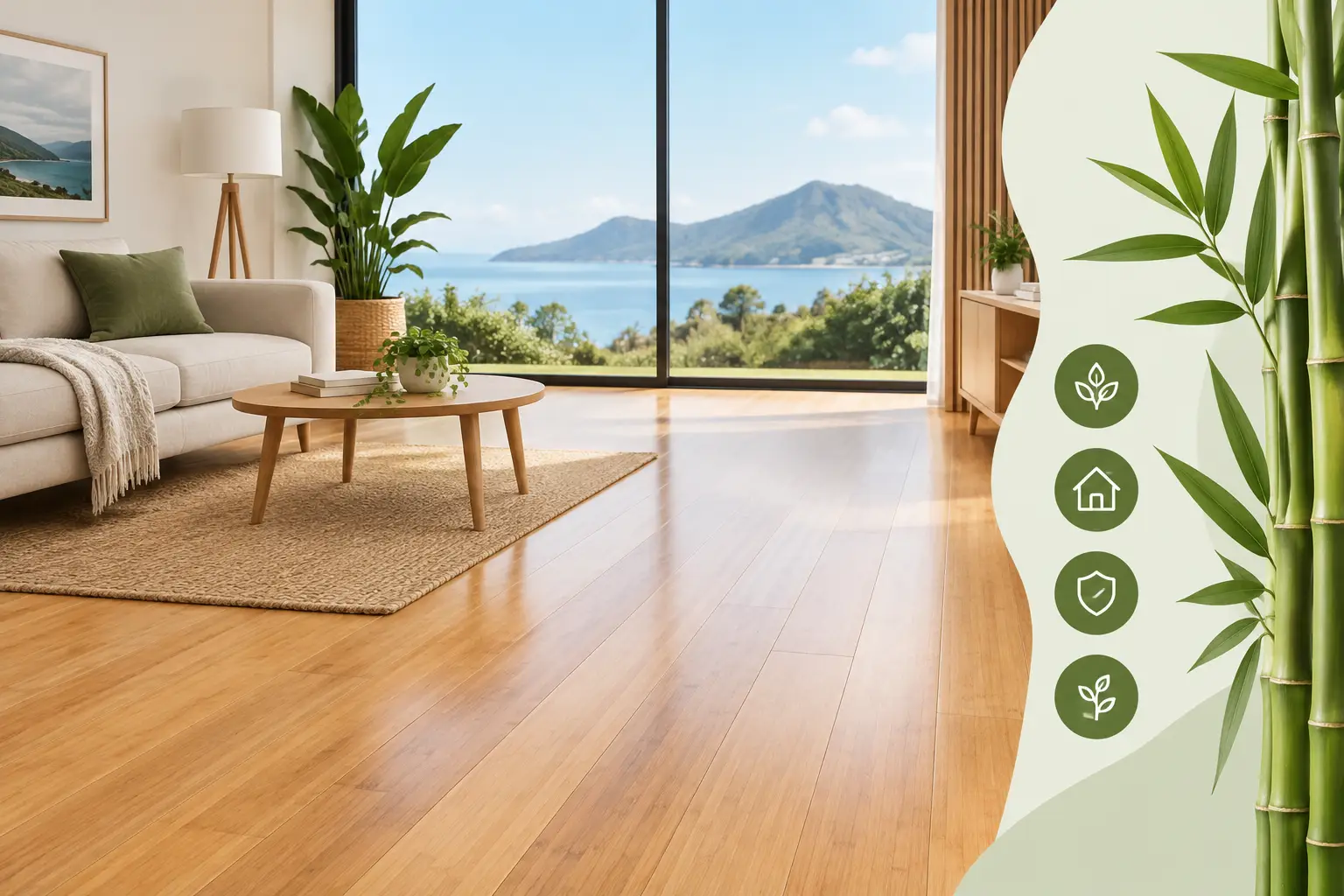
Bamboo is a rapidly renewable grass rather than a slow-growing hardwood tree. Once processed into quality flooring, it delivers a dense, refined surface that suits everything from coastal renovations to modern new builds. Its natural linear grain brings warmth without making a room feel heavy, and it works equally well with crisp white walls, darker joinery or the relaxed neutral palettes common in New Zealand interiors.
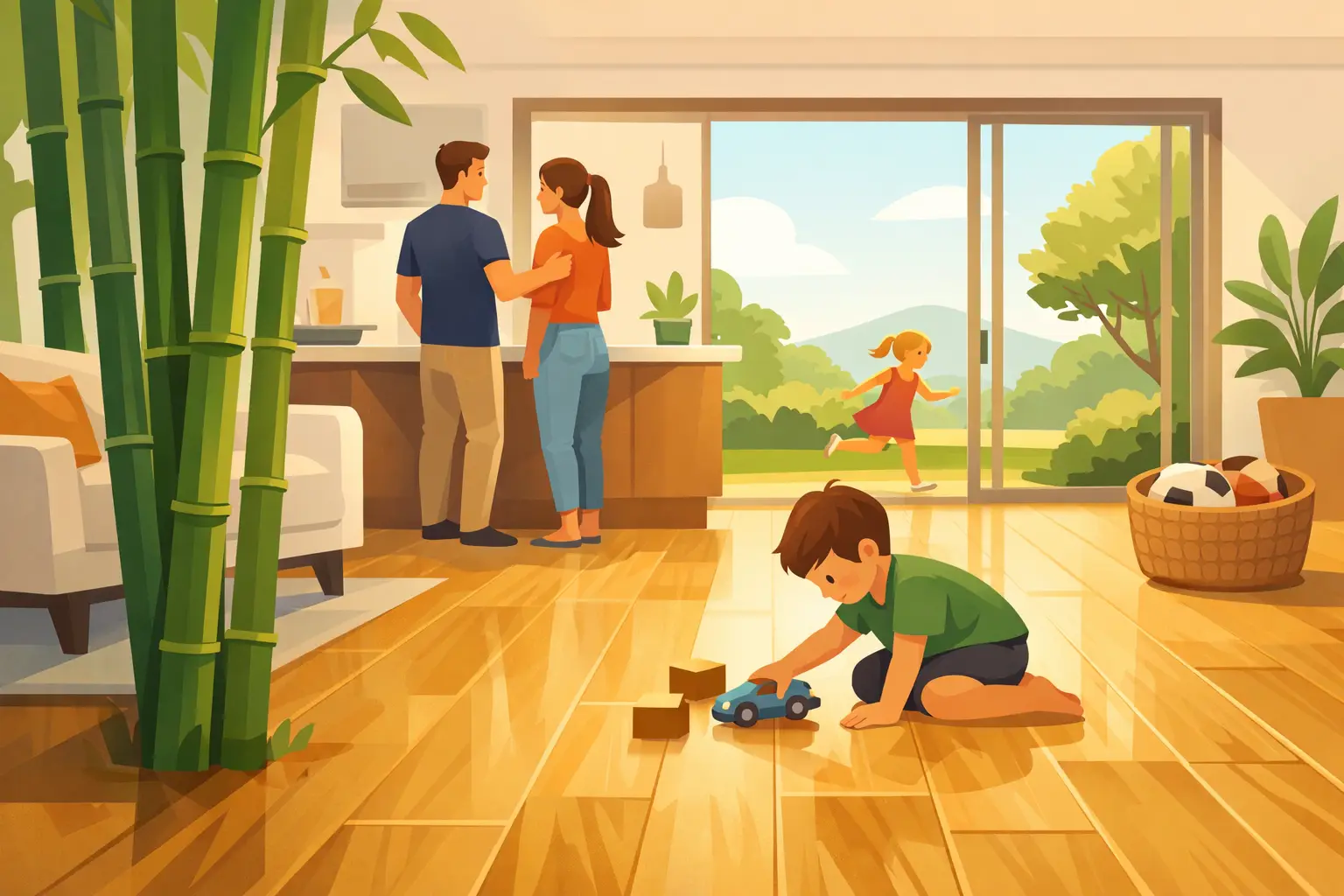
For families, the appeal is practical as well as visual. A well-made bamboo floor is hard-wearing, easy to keep tidy and far more forgiving of real life than carpet. Regular sweeping or vacuuming with a hard-floor setting removes grit before it can wear the surface. A damp mop and a suitable hard-floor cleaner handle the rest. No carpet fibres collecting pet hair, no lingering food spills, and no need to replace one stained section after a family gathering gets lively.
That does not mean bamboo is indestructible. Dragging furniture without protective pads, leaving wet towels on the floor or allowing sand to build up at exterior doors will damage almost any decorative surface. The right expectations, plus a properly specified board, are what create a floor that stays impressive for years.
Not All Bamboo Flooring Is Made the Same
The term bamboo flooring covers products with very different construction, density, coatings and installation requirements. Comparing only the price per square metre can leave out the factors that determine how the floor will actually perform.
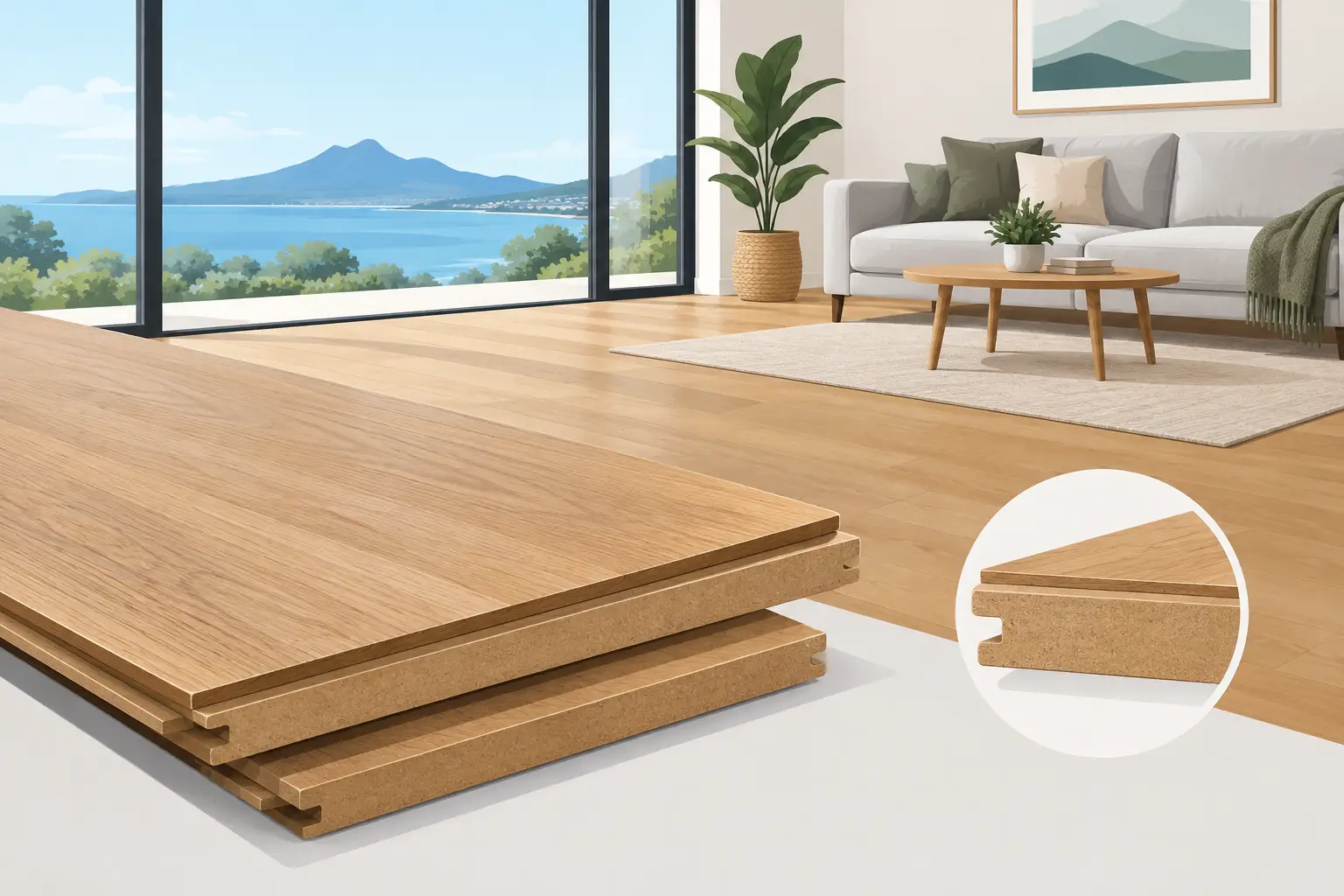
Strand-woven bamboo is a popular premium option because bamboo fibres are compressed under high pressure, creating a dense board with a distinctive, fine grain. This density gives it excellent resistance to the knocks and scuffs of household life. It is a good fit for active family areas, hallways and open-plan living spaces where the floor sees constant traffic.
The finish matters just as much as the core. A quality coating helps protect against everyday scratching and makes cleaning straightforward, while the board profile and locking or tongue-and-groove system affect how securely the floor joins together. A cheap board can look convincing in a small sample, then reveal its weaknesses through inconsistent machining, a thinner wear surface or poor stability after installation.
Ask direct questions before committing: What is the board construction? What finish protects the surface? Is the product suitable for the rooms you are flooring? What preparation does the subfloor need? A supplier who understands the product should be able to answer clearly, not steer the conversation back to colour alone.
The sustainability question deserves a straight answer
Bamboo grows quickly and can regenerate from an established root system, which gives it a strong sustainability story. That said, the finished flooring still involves manufacturing, transport, adhesives and coatings. Sustainability is not a magic label stamped on any product containing bamboo.
The better choice is quality flooring that is built to last, supplied by people who understand its performance, and installed correctly the first time. A floor that needs replacing early is neither good value nor a sensible environmental outcome.
Bamboo Flooring NZ Homes Need to Handle Sun and Heat
Large glazed areas are a feature of many newer homes and renovations across Auckland and Northland. They create bright, welcoming rooms, but they also create intense heat exposure. Flooring near north- or west-facing glass can be subjected to conditions very different from the rest of the house.
This is where a site assessment earns its keep. Direct sunlight, window orientation, internal temperatures and the amount of glass all influence the recommendation. Window coverings, UV protection and sensible furniture placement can help manage exposure, but they do not replace choosing the right flooring system for the room.
Bamboo can perform beautifully in living areas with natural light, provided the product is suitable and the installation allows for normal seasonal movement. Timber-based products respond to their environment. They need the correct expansion allowance around walls, fixed cabinetry and other restraints. If the floor is installed too tightly, it has nowhere to move when conditions change.
For rooms with exceptional solar gain, persistent dampness or more demanding commercial-style traffic, advanced composite flooring may be the smarter answer. This is not a downgrade from bamboo. It is matching the material to the conditions. A good flooring specialist will tell you when bamboo is the right call and when an SPC or other composite option is better suited.
The Subfloor Decides Whether the Job Lasts
A premium board cannot hide a poor subfloor. Preparation is where many flooring jobs are won or lost, and it is one area where cutting corners becomes expensive later.
Concrete must be checked for moisture and flatness before installation. Timber subfloors need to be sound, level and free from movement that could cause noise or joint stress. Existing floor coverings may need to come up, and the floor may require levelling work or a suitable underlay before the new surface goes down.
Underlay is not just an extra line on a quote. The right underlay can assist with sound reduction, minor subfloor variation and the overall feel underfoot, depending on the flooring system. Trims at doorways, stairs and level changes also need to be planned properly. They are the finishing details that stop a new floor looking like an afterthought.
A free on-site measure and quote gives the installer the chance to see what a room is actually asking for. Photos and rough measurements are useful at the early stage, but they do not reveal a high moisture reading, an uneven slab or a sunny wall of glass.
Installation Is Not the Place to Gamble
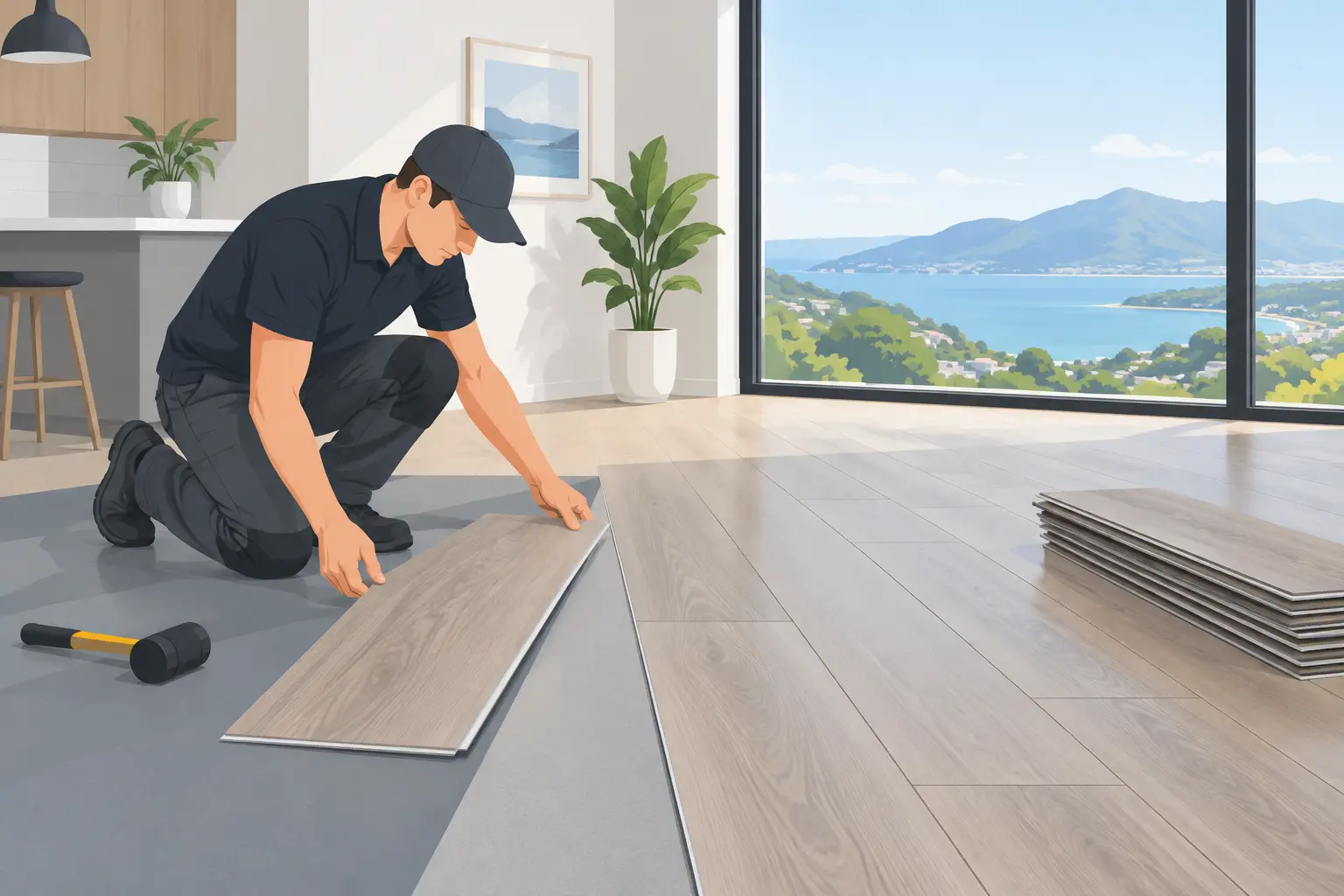
Bamboo flooring rewards accurate installation. Boards need to be laid with a considered layout, clean lines and consistent expansion gaps. Door jambs, kitchen kickboards, hearths and transitions all require proper finishing. These are the details people notice every day, even if they cannot immediately explain why one floor feels sharper than another.
Professional installation also means accountability. If a question arises about moisture, movement, preparation or finishing, you want one knowledgeable person who understands both the product and the site. Trade Flooring NZ keeps that process direct, from product advice and measurement through to supply and installation. No costly showroom. No unnecessary middlemen. No passing the problem between a salesperson, supplier and subcontractor.
The direct-import model also matters to the budget. Removing conventional retail layers can save around $20 per square metre compared with typical retail channels, without treating installation as an optional afterthought. That leaves more room in the renovation budget for the details that make a home feel finished.
Getting the Look Right
Bamboo flooring is versatile, but colour selection should be practical. Lighter tones can make compact rooms feel more open and tend to disguise dust. Mid-tones bring warmth and work well with both timber and painted furniture. Deep tones can look striking, though they may show pale dust, pet hair or scratches more readily in a high-use home.
Take samples into the actual room and look at them in morning, afternoon and evening light. Hold them against cabinetry, paint colours and curtains. If you are replacing flooring through an open-plan area, view the sample from each connected space rather than judging it beside one wall.
Also think about where the floor stops. A well-planned transition between bamboo and tile at an entry, laundry or bathroom can look intentional and perform better than forcing one product into every area. Good flooring design is not about using the same material everywhere. It is about making each space work.
A Better Way to Choose Your Floor
Start with how your household lives, not with a photo online. Consider pets, children, sun exposure, the condition of the subfloor, your cleaning routine and the rooms that receive the hardest use. Then choose a board and installation method that suit those realities.
A bamboo floor should feel like a long-term improvement, not a surface you have to tiptoe around. Get the site checked, inspect the product properly and insist on workmanship that is finished to the point of perfection. The result is a warmer, tougher and better-looking home underfoot - every single day.