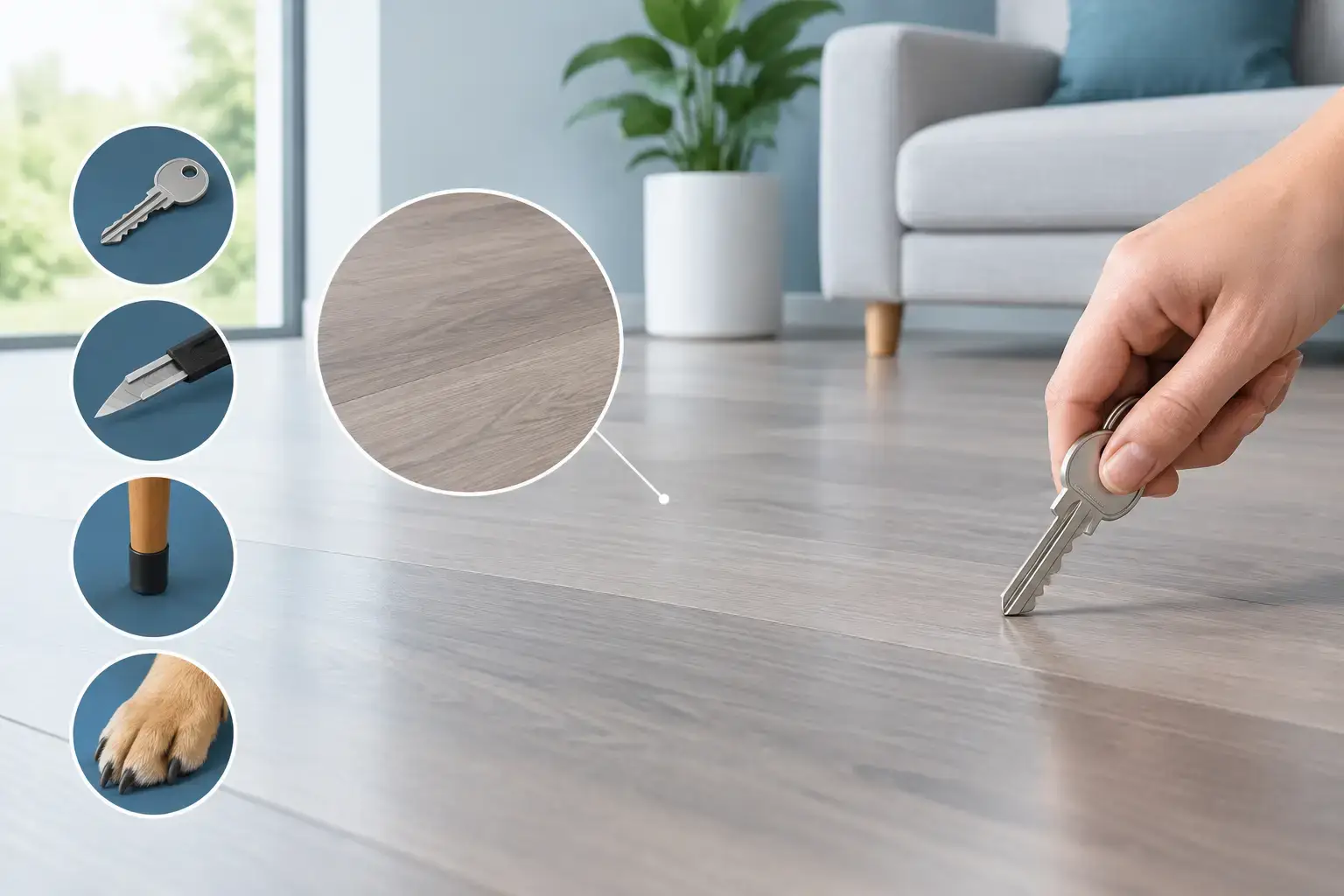
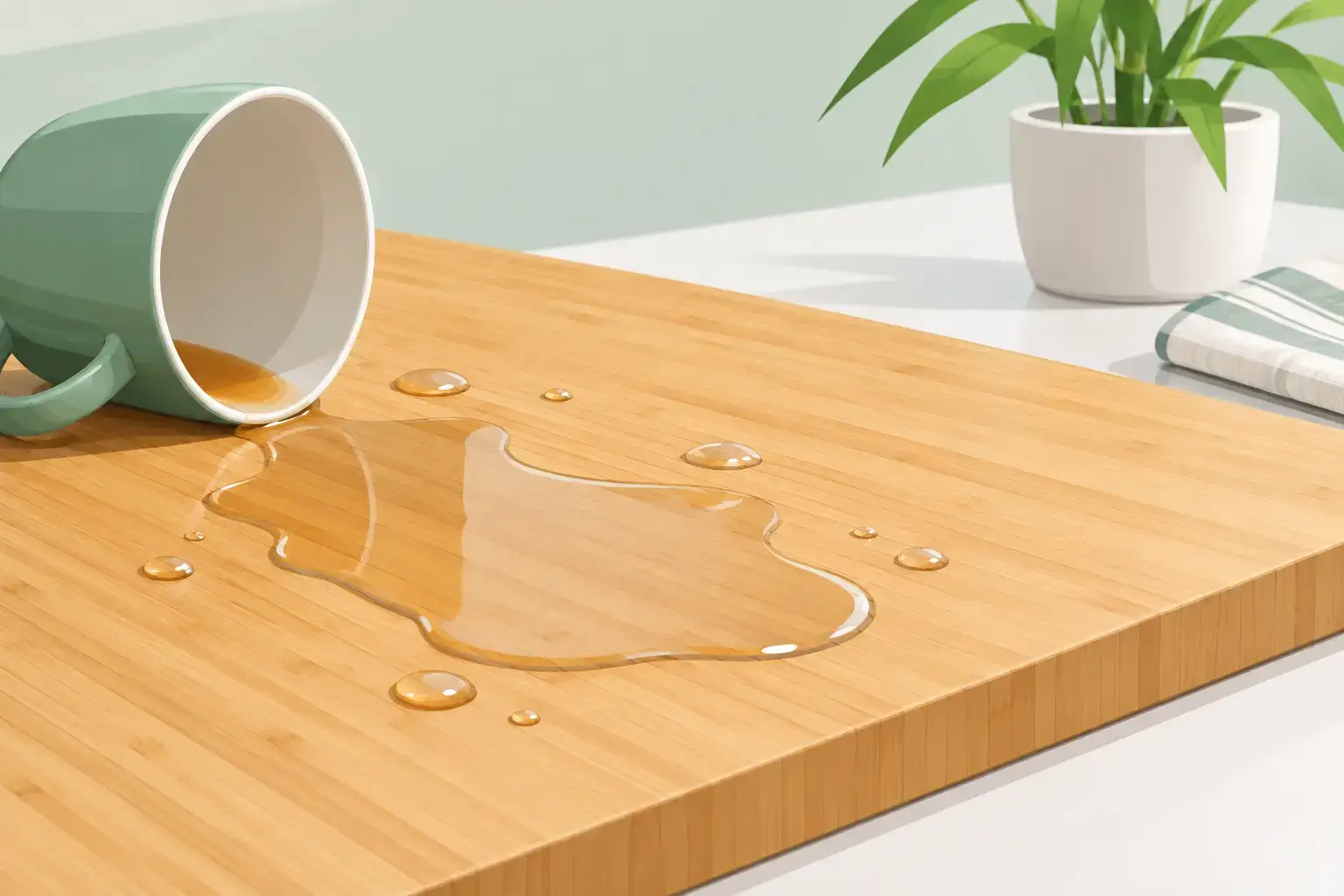
A dropped drink at breakfast. Wet paw prints from the back door. A child who misses the bath mat entirely. These are normal parts of a busy home, not reasons to rule out a beautiful timber-look floor. So, can bamboo handle spills? Yes - provided it is a quality bamboo product, properly installed, and spills are wiped up rather than left sitting for hours.
Bamboo is often chosen because it gives homeowners the warmth and natural character of timber with impressive everyday toughness. But it is not a plastic sheet. Like timber flooring, it rewards sensible care. Understanding that difference helps you choose the right floor for your lifestyle instead of relying on vague claims about something being “waterproof”.
Can bamboo handle spills in a family home?
Quality bamboo flooring can cope very well with the everyday spills that happen in kitchens, dining rooms, hallways and living areas. A knocked-over glass of water, splashed juice, food drops or muddy shoes are not likely to damage the floor when cleaned up promptly.
The key word is promptly. Wipe liquid with a soft absorbent cloth or paper towel, then clean any residue with a lightly damp microfiber mop. Do not flood the floor, leave a soaked towel on it, or repeatedly wash it with a dripping-wet mop. Those habits put unnecessary moisture into joins and around the perimeter of any floating floor.
This is not a weakness unique to bamboo. Natural timber, engineered timber and many laminate floors all need spills dealt with quickly. Bamboo’s advantage is that premium strand-woven products are dense, stable and built to take the knocks of real household life. For families with children, pets and plenty of movement through the house, it is a practical option that still looks properly finished.
A spill is different from standing water
There is a big difference between a quick spill and prolonged water exposure. A glass tipped over at dinner is one thing. A leaking dishwasher, overflowing bath, broken pipe or an exterior door left open during driving rain is another.
Standing water can work its way into board joins, expansion gaps and beneath the floor. Once moisture is trapped there, it may cause swelling, cupping, staining or movement. No responsible flooring specialist should tell you that a bamboo floor is immune to that risk.
If a significant water event happens, remove the water immediately and get the area assessed before simply turning up the heating and hoping for the best. Fast action can make a major difference to the outcome.
What helps bamboo flooring resist everyday moisture?
The performance of a bamboo floor is not down to one thing. It comes from the board construction, the factory finish, the quality of the installation and how the room is used.
Strand-woven bamboo is made by compressing bamboo fibres under high pressure with resin. The result is a dense flooring material that stands up well to everyday impacts, active households and normal cleaning. A quality protective coating on the surface also helps prevent a short-term spill from soaking straight into the board.
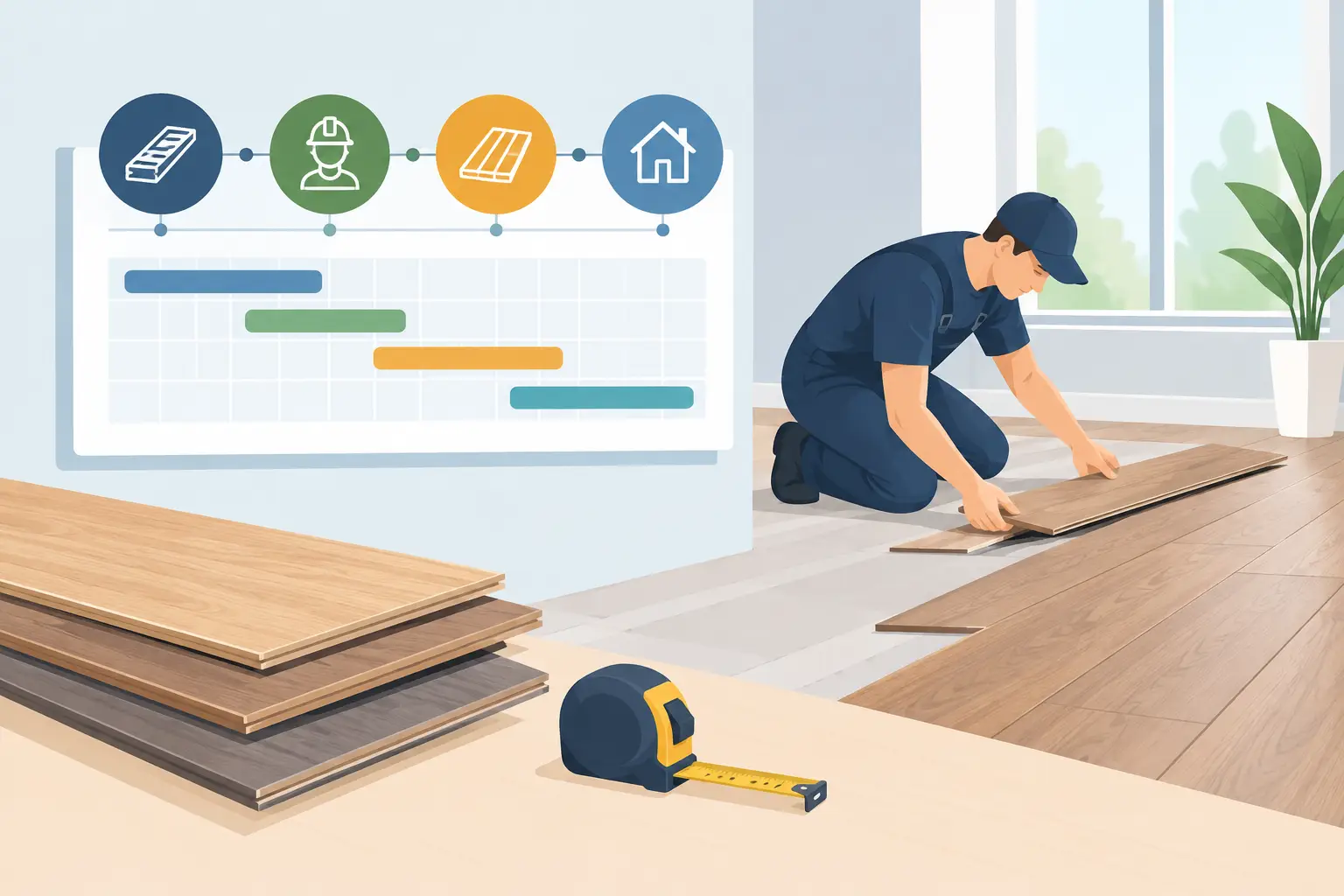
Installation matters just as much as the product. The subfloor must be dry, level and properly prepared. Moisture testing is not optional guesswork, particularly on concrete slabs or ground-level homes. Suitable underlay, correctly formed expansion gaps and careful finishing around doorways, kitchens and exterior openings all help the floor perform as it should.
That is why flooring should not be selected from a sample board alone. A floor can be excellent on paper and still fail early if the moisture conditions on site are ignored. The lowest quote is rarely a saving if it skips the technical work that protects your investment.
Where bamboo works well - and where to think twice
Bamboo is an excellent fit for living areas, bedrooms, hallways, dining spaces and many kitchens. In a kitchen, the practical approach is simple: use a mat at the sink, wipe spills as they happen and avoid letting water sit around appliance connections.
For an open-plan home, bamboo can create a continuous, premium look from entry through to living and dining zones. It also suits homeowners who want a more sustainable flooring choice without accepting a delicate floor that needs to be tiptoed around.
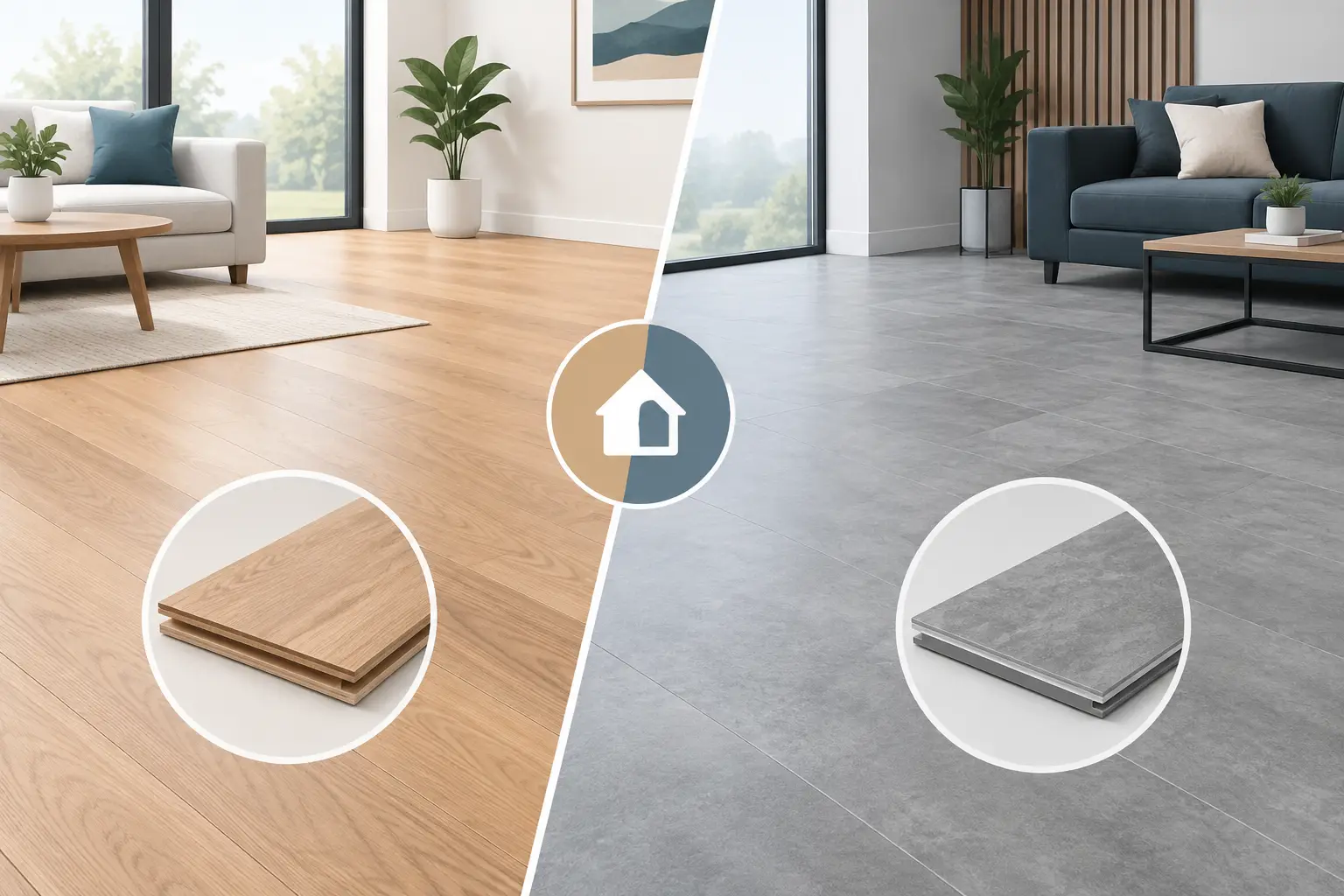
Bathrooms, laundries and areas with frequent wet feet need more careful consideration. Even when a bamboo product has a durable finish, these are high-moisture environments where splashing, steam and wet towels are part of the routine. If you want one floor running through wet areas as well as the rest of the house, a quality SPC or other water-resistant composite flooring solution may be the better call.
That is not a downgrade. It is choosing the right material for the room. Bamboo delivers warmth, natural appeal and excellent toughness in the right spaces. Advanced composite flooring offers greater peace of mind where water is regularly underfoot.
Sun, heat and moisture need a joined-up plan
Northland and Auckland homes can present another challenge: large glazed areas and strong sun. Heat exposure can affect any flooring material, especially if the room experiences rapid temperature swings. The right product selection, acclimatisation, expansion allowances and window coverings where needed all form part of a sound installation plan.
Moisture and heat should be assessed together, not treated as separate issues after the floor is down. This is particularly relevant in renovations, where an older slab, new ranch sliders or a changed room layout may alter the conditions the flooring has to handle.
How to clean up spills without harming the finish
Most spill clean-ups take less than a minute. Blot liquid first rather than rubbing it across a wider area. For sticky drinks, food or pet accidents, use a pH-neutral floor cleaner approved for the flooring finish and a well-wrung microfiber cloth.
Avoid steam mops, abrasive pads, harsh bleach solutions and oil soaps unless the product manufacturer specifically permits them. Excessive heat and moisture from a steam mop can force water into joins, while harsh cleaners may leave a residue or dull the protective coating over time.
Place quality mats at exterior doors and use felt protectors beneath furniture. These small measures do more for the day-to-day appearance of a bamboo floor than over-cleaning ever will. A clean, dry floor is the goal - not a floor that is constantly saturated with cleaning water.
For pet owners, keep water bowls on a waterproof tray or mat and deal with accidents straight away. Bamboo is paw-tested in the sense that it handles a busy home well, but no floor benefits from repeated puddles left overnight.
The questions worth asking before you buy
If spill resistance is high on your list, ask clear questions before committing to a floor. What is the construction of the bamboo? What finish protects the surface? Is the chosen product suitable for the specific rooms in your home? What moisture testing and subfloor preparation will be completed? And what does the product warranty actually cover?
Be wary of broad claims without detail. “Water resistant” does not mean “safe to flood”, and “easy care” does not mean maintenance-free. A good flooring adviser will explain both the strengths and limits of the material, then recommend the product that makes sense for your household.
At Trade Flooring, that conversation starts with the site, not a sales pitch. A proper measure and assessment identifies moisture risks, heat exposure, room use and the finish you are trying to achieve before installation begins. It is the practical way to avoid choosing a floor that looks right but is wrong for the conditions.
Bamboo can handle the spills of ordinary family life beautifully when it is treated as a premium floor, not an indestructible surface. Choose quality boards, install them properly, keep wet areas realistic, and wipe up the occasional mishap before it becomes a problem. Then you can enjoy the warmth and durability of bamboo without spending your day worrying about every dropped drink.