A floor can look perfect on a small sample and still be the wrong choice for your home. The practical MFB and SPC differences show up underfoot, around large sunny windows, during a busy family morning, and years later when the floor has to keep earning its place. Both are advanced composite floating floors. Both can deliver a sharp timber-look finish with far less upkeep than traditional timber. But their core construction gives each one a different feel and set of strengths.
For Auckland and Northland homes, the right answer is rarely just the colour you prefer. It depends on your subfloor, sun exposure, household traffic, room use and the level of finish you expect.
MFB and SPC differences start at the core
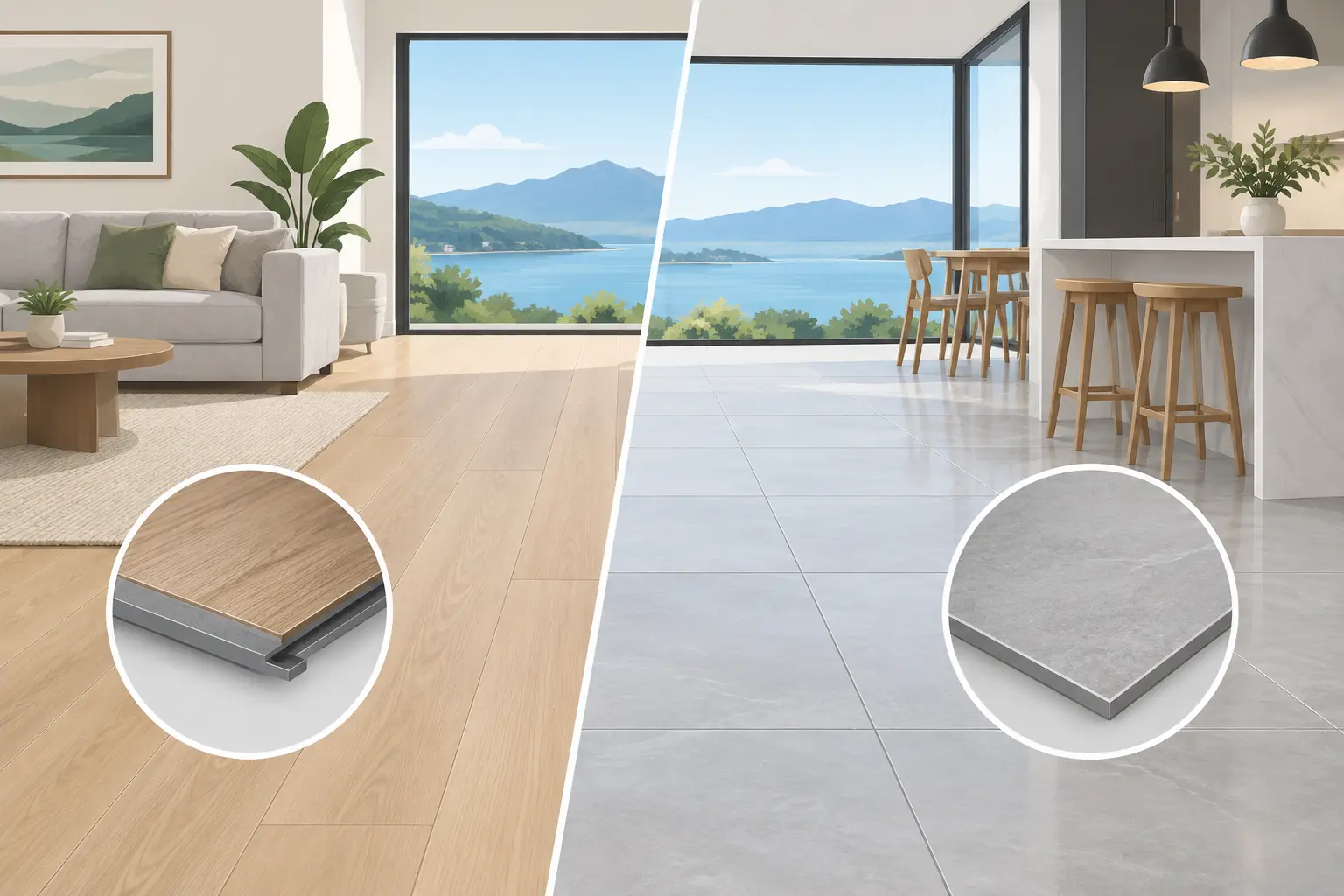
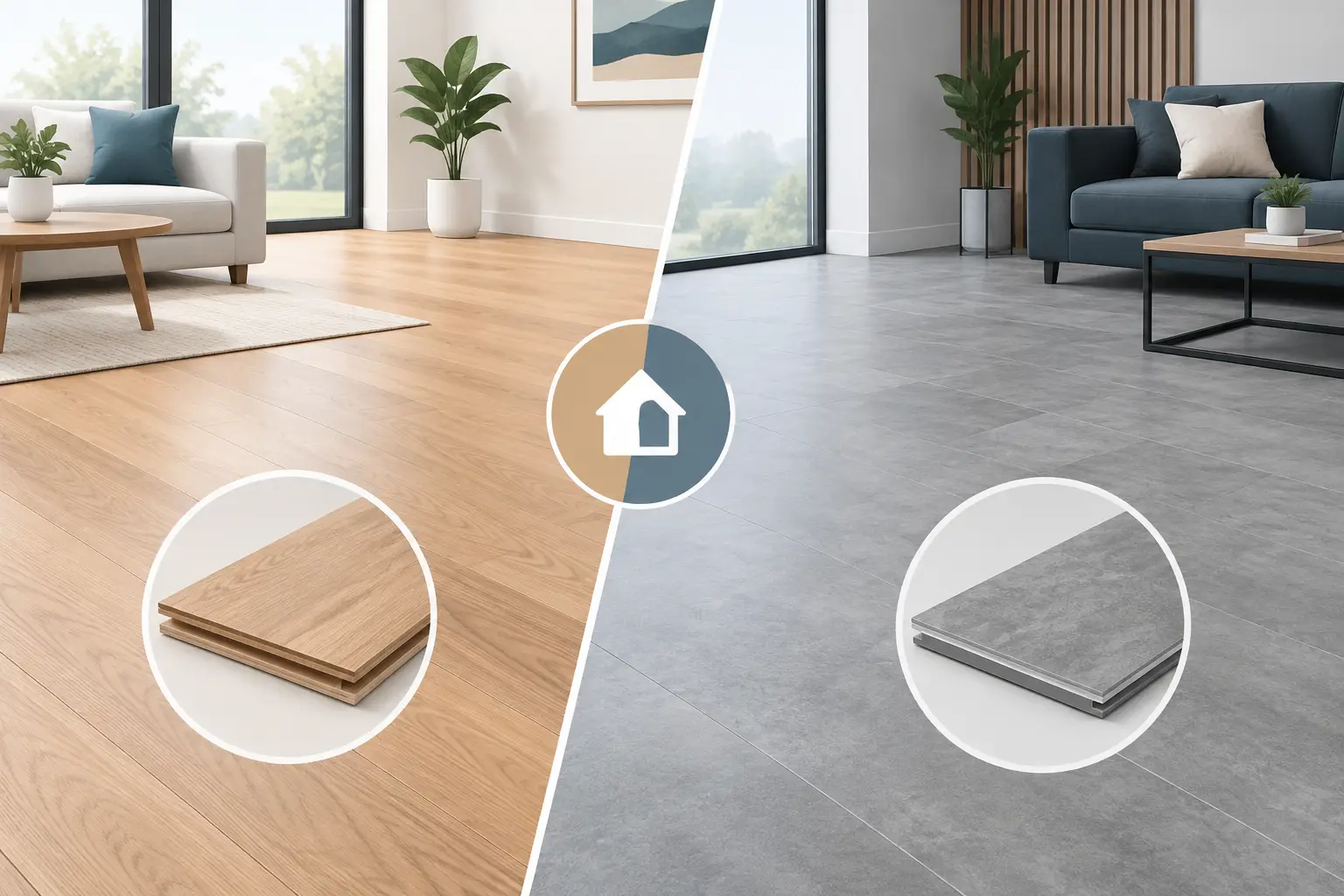
SPC stands for stone polymer composite. Its rigid core is typically made from mineral content, often limestone, combined with PVC and stabilisers. That produces a dense, hard-wearing plank designed to hold its shape well and resist everyday water exposure. It is a popular option for renovations because it is tough, practical and usually suited to a wide range of rooms.
MFB usually refers to mineral fibre board flooring. The exact formulation differs between manufacturers, so it pays to compare the actual product specification rather than assuming every MFB plank performs identically. In general, MFB flooring uses a mineral fibre-based core engineered to provide stability with a less dense underfoot character than a typical SPC core.
Both options commonly include a protective wear layer, a decorative timber-look film, a rigid core and an attached acoustic backing. The visible surface may look similar. What sits underneath affects comfort, sound, handling and how the floor responds to the conditions in your home.
The simplest way to think about it
SPC is generally the firmer, denser and more hard-edged option. MFB is generally chosen where buyers want a more cushioned, quieter feel while retaining the practical advantages of a composite floor. Neither description replaces a proper site assessment. A quality product installed on a poorly prepared slab will not perform like a quality floor should.
Underfoot comfort and household noise
This is often the difference people notice first after installation.
Because SPC has a high-density core, it can feel solid and firm underfoot. That is not a fault. Many homeowners like the stable, grounded feel, particularly in kitchens, hallways and high-traffic living areas. With the right attached backing and a properly prepared subfloor, it performs very well in busy homes with children, pets and plenty of movement.
MFB can offer a softer, more forgiving walking feel. It may also reduce the sharper footfall sound associated with hard floating floors. For bedrooms, upstairs areas and open-plan spaces where acoustics matter, that can be a meaningful advantage. If your current floor is cold, noisy or unforgiving, the difference is worth feeling in person rather than trying to judge from a brochure.
Underlay still matters. Some planks have an integrated backing, but that does not mean every additional underlay is suitable. Using an overly soft underlay beneath a floating floor can compromise click joints and lead to movement. The floor, underlay and subfloor need to work as one system.
Water resistance is not the same as wet-room approval
Both MFB and SPC products can be highly water resistant, making them sensible choices for living rooms, kitchens, laundries and entrance areas where wet shoes, spills and paw prints are part of normal life. A properly installed composite floor is far more forgiving than many traditional flooring options when a drink is knocked over or a dog comes in from the rain.
SPC has built its reputation on water resistance and dimensional stability. That makes it a strong all-round choice for family homes and renovation projects where practical performance is high on the list.
MFB products can also offer excellent water resistance, but specifications vary. Check the manufacturer guidance for the exact range, especially if you are considering bathrooms or areas with frequent water exposure. Waterproof planks do not automatically make a room waterproof. Wet-area membrane requirements, perimeter sealing, drainage and building-code considerations still apply.
The no-nonsense approach is simple: wipe up standing water, use quality entrance mats, and choose the product for the room rather than trying to make one floor solve every site condition.
Heat, sun and large glazed areas
Northland and Auckland homes often have generous glazing, wide stacker doors and rooms that receive direct afternoon sun. That is where flooring choices need more thought than a quick showroom decision.
Both MFB and SPC are more stable than many conventional floating floors, but direct solar gain can still create demanding conditions. Surface temperatures near glass can become far higher than the room temperature. Expansion allowances, substrate condition, window coverings and the manufacturer’s maximum temperature guidance all matter.
SPC’s dense mineral-based core gives it strong dimensional stability. MFB may also be engineered for heat performance, depending on the product construction. The better choice is not automatically one material over the other. It is the floor with a verified specification suited to your room, installed with the correct perimeter gaps and transition details.
For a sun-drenched living area, the important questions are practical: How much direct sun reaches the floor? Is there low-E glass, tinting or external shading? Is the room heated by a fireplace, heat pump or underfloor system? Will the floor run continuously through several rooms? These details affect the installation plan and can prevent expensive problems later.
Durability, scratches and the look of the finished floor
A good composite floor is built for real life, not a display stand. Both MFB and SPC can be scratch resistant, easy to clean and well suited to pets, children and day-to-day furniture movement. However, scratch resistant does not mean scratch proof. Grit dragged in from the driveway, unprotected chair legs and heavy appliances can damage any decorative surface.
The wear layer and surface coating are major factors in how a floor handles traffic. Compare these specifications alongside the core type. A premium-looking plank with a weak wear layer is not the value buy it first appears to be.
SPC’s firm core often gives the plank a crisp, stable feel. MFB can be appealing where a quieter, more comfortable result is the priority. In visual terms, both can provide convincing oak, timber and contemporary neutral designs. The quality of the embossing, plank dimensions, bevel detail and colour variation will have more influence on the final look than the letters MFB or SPC on their own.
Take samples home. Look at them in morning light, afternoon sun and artificial light. Put them beside your cabinetry, wall colour and furniture. Flooring is a large surface area, so a colour that seems safe on a 150 mm sample can feel very different across an entire room.
Installation is where performance is won or lost
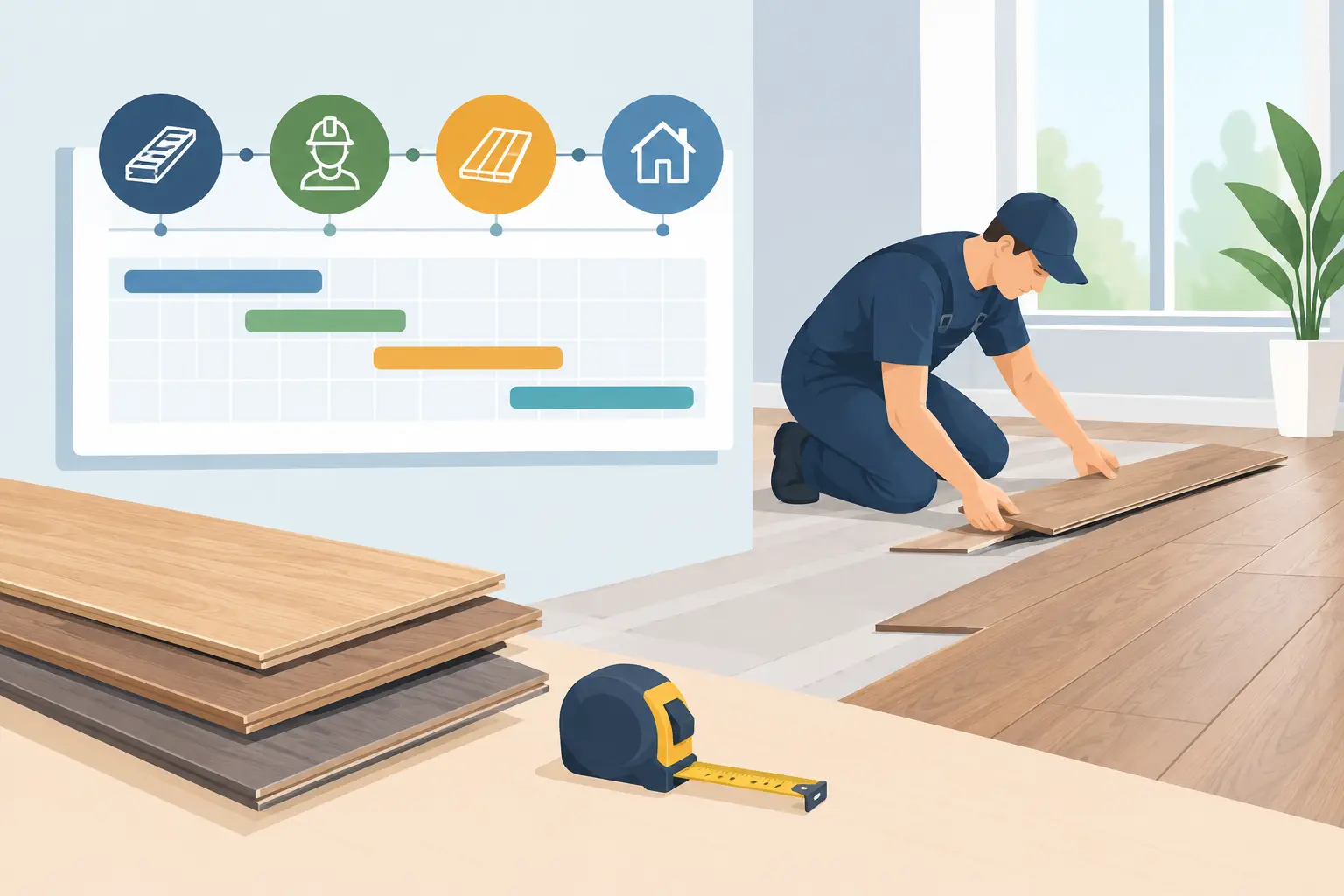
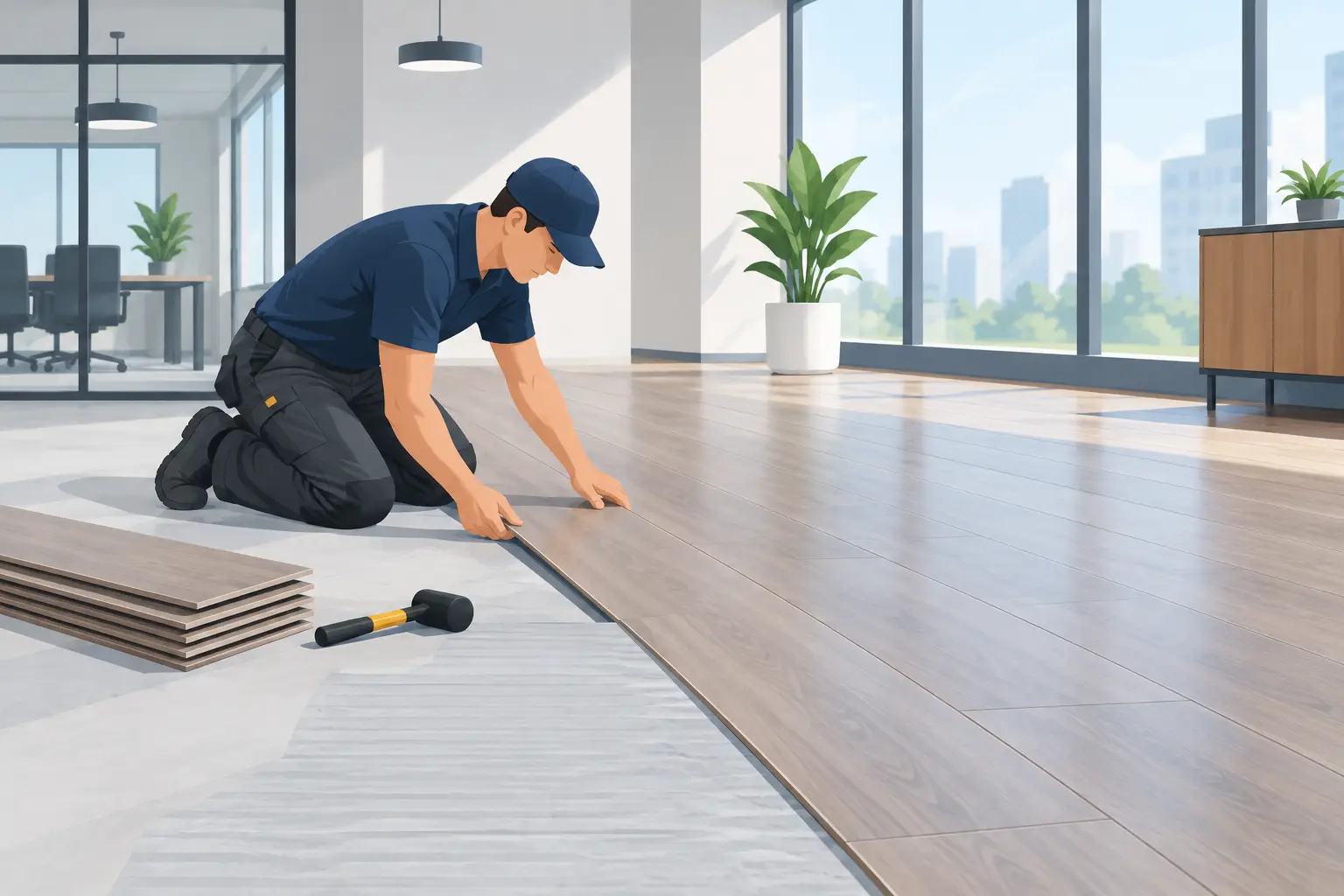
Click-together flooring can install quickly, but it is not a shortcut around preparation. Concrete slabs need moisture testing and levelling. Timber subfloors need to be sound, dry and flat. Existing floors need assessment, not assumptions. Even the best MFB or SPC plank will telegraph imperfections, flex over hollows or strain its locking system if the base is not right.
Professional installation also deals with the details that make a floor look finished: correct expansion space, straight starting lines, tidy cuts around door jambs, suitable trims, stair nosings where required, and transitions to carpet or tile. These are not minor extras. They are the difference between a floor that looks fitted and one installed to the point of perfection.
At Trade Flooring NZ, the product recommendation starts with the site, not a sales pitch. A free on-site measure identifies the subfloor condition, room layout and exposure issues before the quote is finalised. That is how you avoid paying for the wrong product, the wrong preparation or a rushed installation.
Which should you choose?
Choose SPC if you want a dense, firm and proven all-round composite floor with strong water resistance and a highly practical feel for active spaces. It is particularly compelling when durability, easy cleaning and value are at the top of the brief.
Choose MFB if underfoot comfort and reduced footfall noise matter more, especially in bedrooms, upstairs spaces or open-plan homes where a harder floor could feel too sharp. Confirm the specific product’s water, heat and warranty requirements before making the final call.
There is no prize for choosing the trendiest acronym. Bring your room plans, a few photos and an honest view of how your household lives. The best floor is the one that suits your sun, your subfloor and your everyday life long after the samples have gone back in the box.