A floor can look perfect under showroom lights and become a headache six months later when the dog, children, dining chairs and afternoon sun get involved. That is why choosing bamboo or engineered timber should start with how your household actually lives, not just which sample has the nicest grain.
Both can deliver a warm, premium look that lifts a renovation or new build. Both also come in a wide range of qualities. The right choice comes down to the construction of the board, the conditions in your home and whether the product is properly specified and installed from the outset.
Bamboo or engineered timber: the real difference
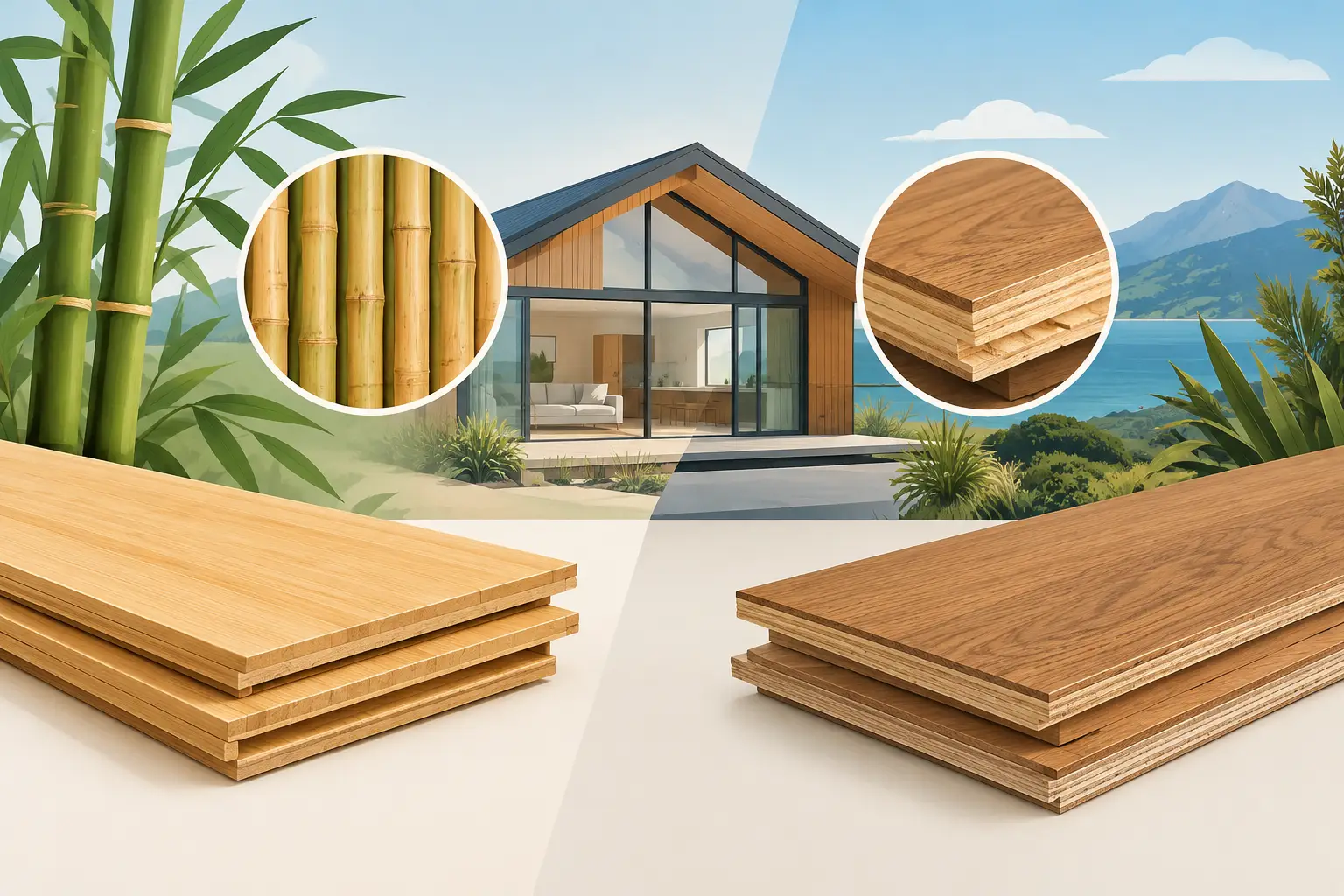
Bamboo flooring is made from fast-growing bamboo that is processed, bonded and formed into flooring boards. Strand-woven bamboo, the premium option most homeowners should be comparing, is made by compressing bamboo fibres under high pressure. The result is a dense, stable floor with a distinctive grain and serious everyday toughness.
Engineered timber has a layer of real hardwood on top of a stable core, commonly plywood or other layered material. It offers the genuine look of oak, ash, walnut or another timber species while using less solid hardwood than a traditional solid-timber floor. The top veneer gives it its character, but its thickness and finish determine how well it will stand up to use and whether it can be sanded in the future.
Neither category is automatically better. A well-made engineered timber floor can be a beautiful, long-lasting choice. A low-grade engineered board with a thin veneer and weak core is another matter entirely. The same rule applies to bamboo: quality, board construction and installation matter far more than a label on a sample.
Which floor handles family life better?
For busy households, strand-woven bamboo is often the more practical option. Its density makes it highly resistant to the everyday scuffs, dropped toys and paw traffic that come with family life. It is not indestructible - no timber-look floor is - but it has the strength to cope with a lot more than a delicate, soft timber veneer.
Engineered timber varies significantly by species and veneer thickness. Oak is popular because it has an established, natural appearance, but it can mark under sharp impacts and dragged furniture. That worn-in look may be part of the appeal for some homeowners. For others, particularly those wanting a cleaner finish for longer, it can become frustrating.
If you have children, pets or a home where shoes stay on, ask to see the actual wear layer and finish rather than relying on a broad claim about “scratch resistance”. A quality coating helps, but it cannot make a thin, soft veneer behave like a dense strand-woven bamboo board.
Scratch resistance is not the whole story
A scratch-resistant floor is useful, but it is only one part of performance. Consider dent resistance, edge strength, board stability and how easily a floor can be repaired or refreshed. Felt pads under chairs, mats at entry doors and a quick wipe-up of spills still make a difference, whatever material you choose.
A floor should be chosen for real life, not treated like a museum piece. The aim is a surface that looks good while being lived on.
Sun, heat and large glazed areas
Northland and Auckland homes often have generous glazing, strong UV exposure and rooms that heat up quickly. This is where flooring advice needs to be specific. Sun through a large sliding door is not the same as a shaded bedroom, and a dark floor in a north-facing room will behave differently again.
Engineered timber can be affected by prolonged direct sunlight. Natural timber changes colour over time, and boards can expand or contract as indoor conditions shift. A quality engineered construction improves stability compared with solid timber, but it does not remove the need for sensible site assessment, expansion allowances and window coverings where exposure is extreme.
Bamboo also needs proper acclimatisation and correct installation, yet a dense, well-manufactured strand-woven board is a strong performer in demanding residential environments. The key is not to promise that any natural floor is immune to heat. The key is to select the right product, assess the room and install it with the detail that keeps movement under control.
This is one reason a free on-site measure is worth more than choosing from a photo online. Room size, subfloor condition, glazing, floor level changes and moisture all affect the outcome.
Moisture, spills and the rooms that need another option
Neither bamboo nor engineered timber should be treated as a waterproof bathroom floor. Kitchens, laundries and entry areas can work when spills are dealt with promptly and the product is approved for the application, but standing water is a different issue.
If you want one continuous floor through areas exposed to wet shoes, splashes or frequent mess, an advanced composite floor may be the smarter answer. Stone polymer composite flooring is designed for water resistance and day-to-day durability, with a timber-look finish that suits practical family homes. It will not provide the same natural material feel as bamboo or engineered timber, but it can save a lot of worry in the right areas.
For many renovations, the best answer is not forcing one product into every room. A bamboo living area paired with a durable composite floor in a laundry or high-moisture entrance can look intentional when transitions and colours are planned properly.
Appearance: natural character or a cleaner, more consistent grain?
Engineered timber is hard to beat if you have fallen for a particular timber species. A quality oak floor has variation, knots and natural grain that create depth across a large open-plan space. It can suit heritage homes, architectural builds and renovations aiming for a classic European look.
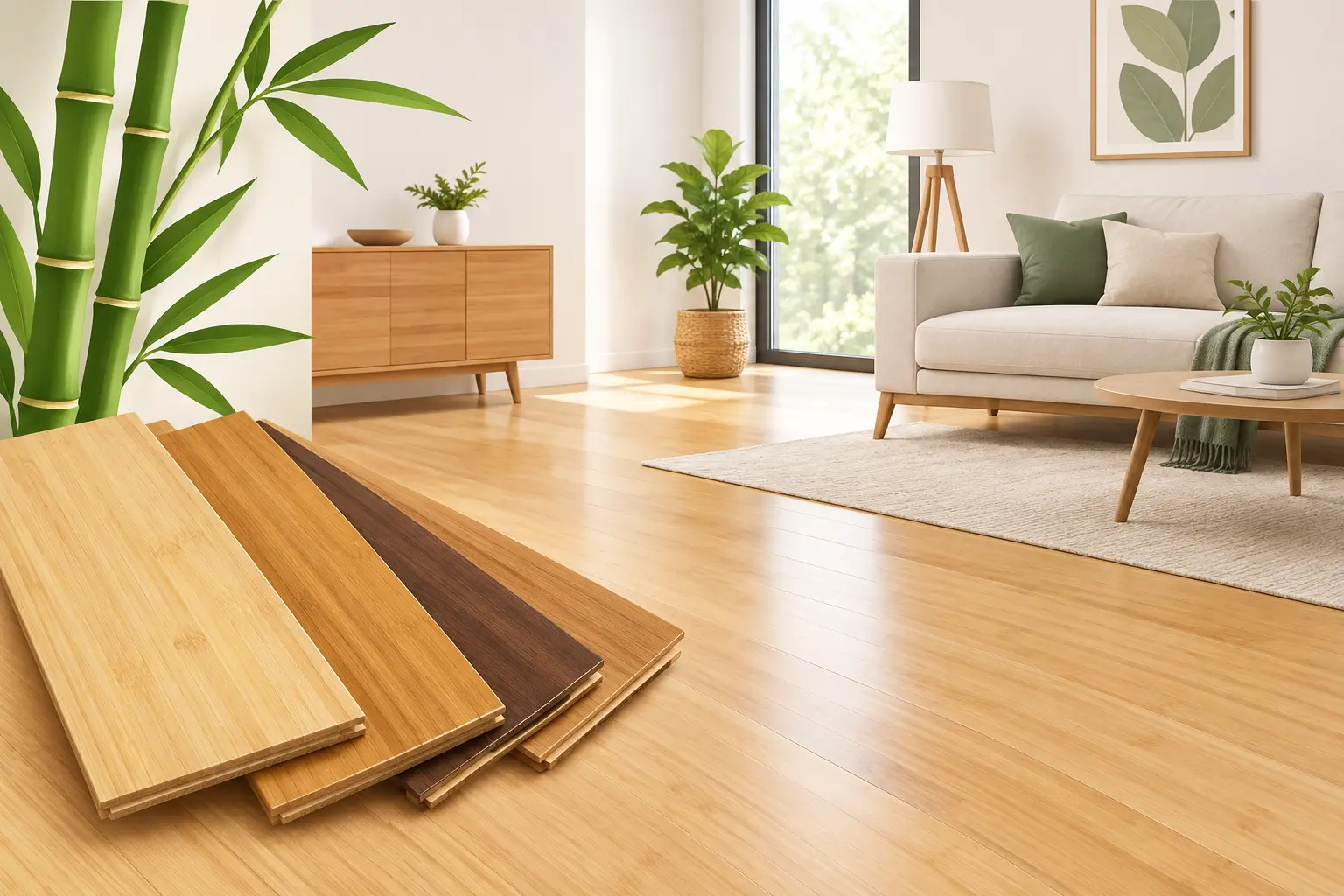
Bamboo has its own visual identity. Strand-woven bamboo often shows a finer, more linear grain with a cleaner and more contemporary finish. It works particularly well in modern homes where homeowners want warmth without heavy rustic character. Colours range from pale natural tones to richer, darker finishes, so it can sit comfortably with white cabinetry, black joinery or warmer timber furniture.
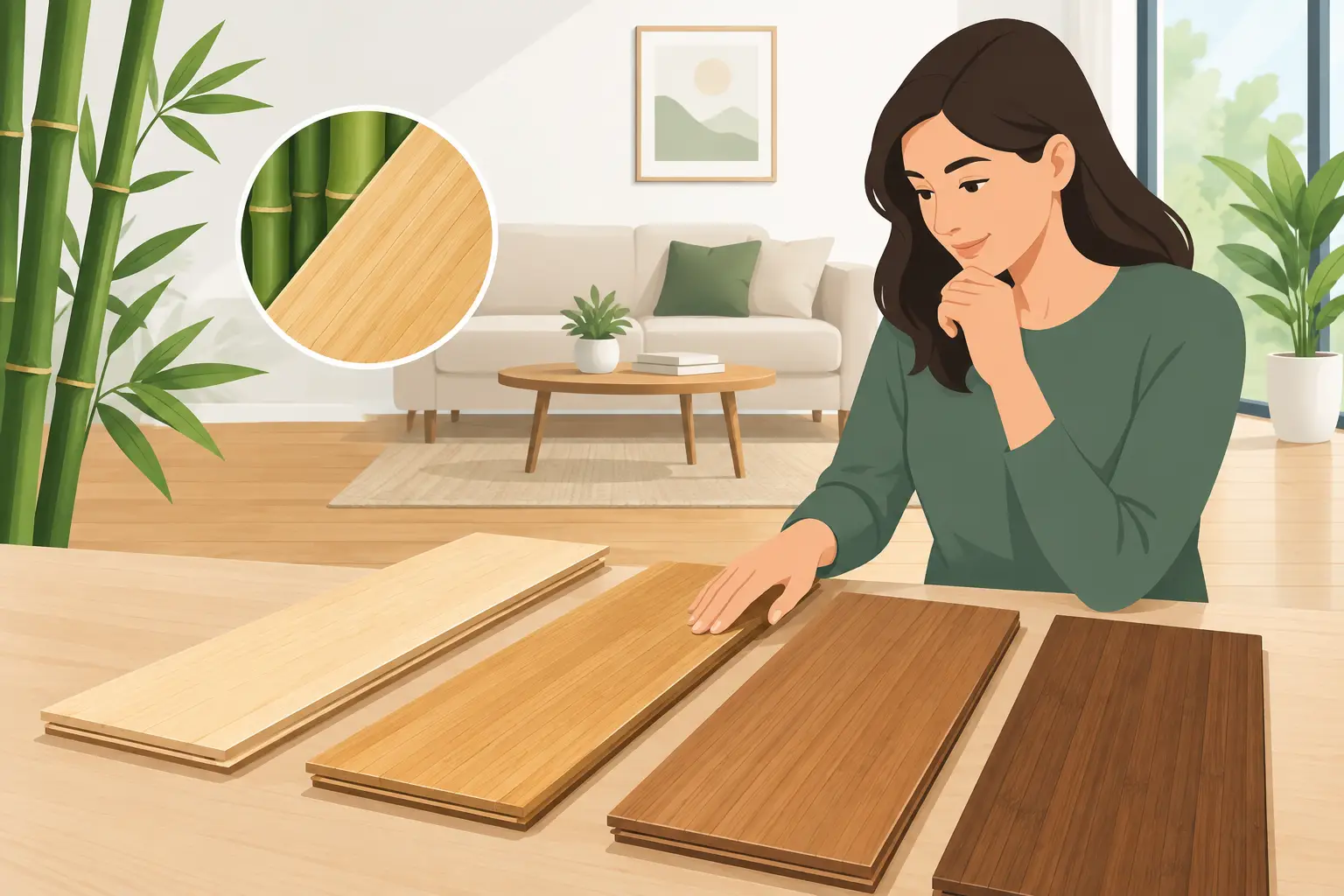
Do not choose from a single board. View a larger sample and consider it beside your cabinetry, wall colours and curtains. Natural and timber-based materials carry variation, which is part of their appeal, but you should know what that variation will look like across an entire room.
Cost: look past the advertised square-metre rate
A cheap floor can become expensive fast if it requires extra subfloor work, has poor matching trims, arrives late or fails because it was installed without the correct moisture checks and expansion details. Comparing only the material price is how many flooring budgets go off track.
When comparing bamboo or engineered timber, ask what is included in the quote: floor preparation, underlay, trims, delivery, removal of existing flooring, installation and warranty coverage all matter. Also ask about stock availability. A floor that suits your project is of little use if it delays the kitchen install or handover date.
Direct-import supply can make a real difference here. Trade Flooring NZ keeps the process straightforward: practical product advice, site measurement, a clear quote and one accountable specialist managing the finish. No costly showroom overheads. No unnecessary layers between the product and the person installing it.
Installation decides whether a good floor stays good
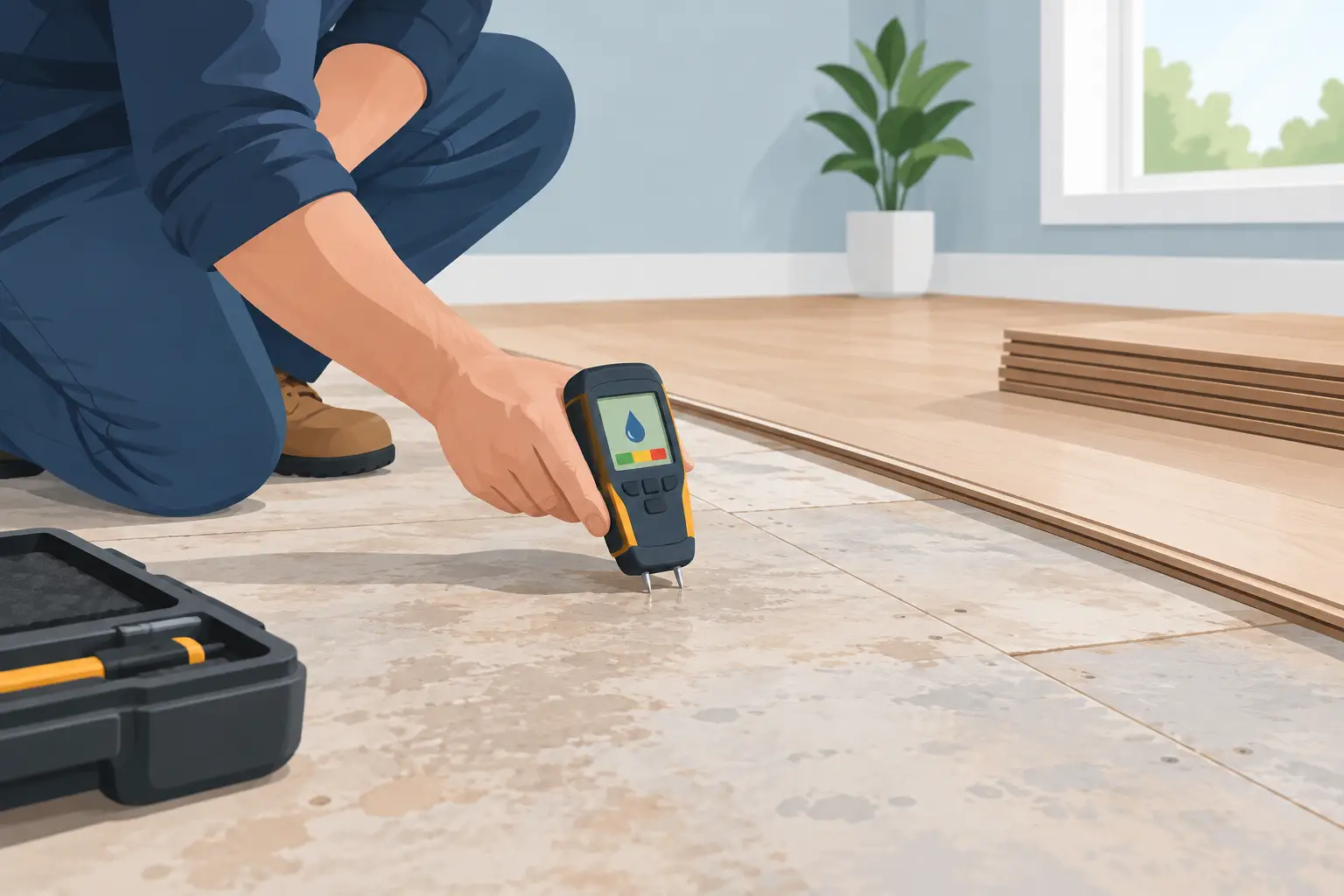
The most expensive board in the world cannot compensate for a rushed installation. Subfloors must be checked for flatness and moisture. The correct underlay must be used. Expansion gaps, transitions and perimeter details must allow the floor to perform as designed.
This is particularly important with floating floors, where the boards need room to move as conditions change. It is also why the right aluminium trims are not an afterthought. They protect edges, manage level changes and give the job a finished appearance rather than an improvised one.
Before work begins, make sure you know where appliances, cabinetry and fixed joinery sit in the sequence. Flooring can be installed before or after some elements depending on the product and project, but the plan must be clear. A good installer will identify these details before boards are opened, not after the final row creates a problem.
Make the decision from your home, not a brochure
Choose strand-woven bamboo when you want a sustainable, hard-wearing floor with a modern natural look and strong performance under active family life. Choose engineered timber when the specific character of real oak or another hardwood species is central to your design, and you are comfortable with the care that a timber veneer deserves.
The best next step is simple: put samples in the actual rooms, watch them in morning and afternoon light, and have the site measured before committing. A floor is a big surface, a long-term investment and the foundation of every room. Get the product, preparation and installation right, and it will keep earning its place every day.