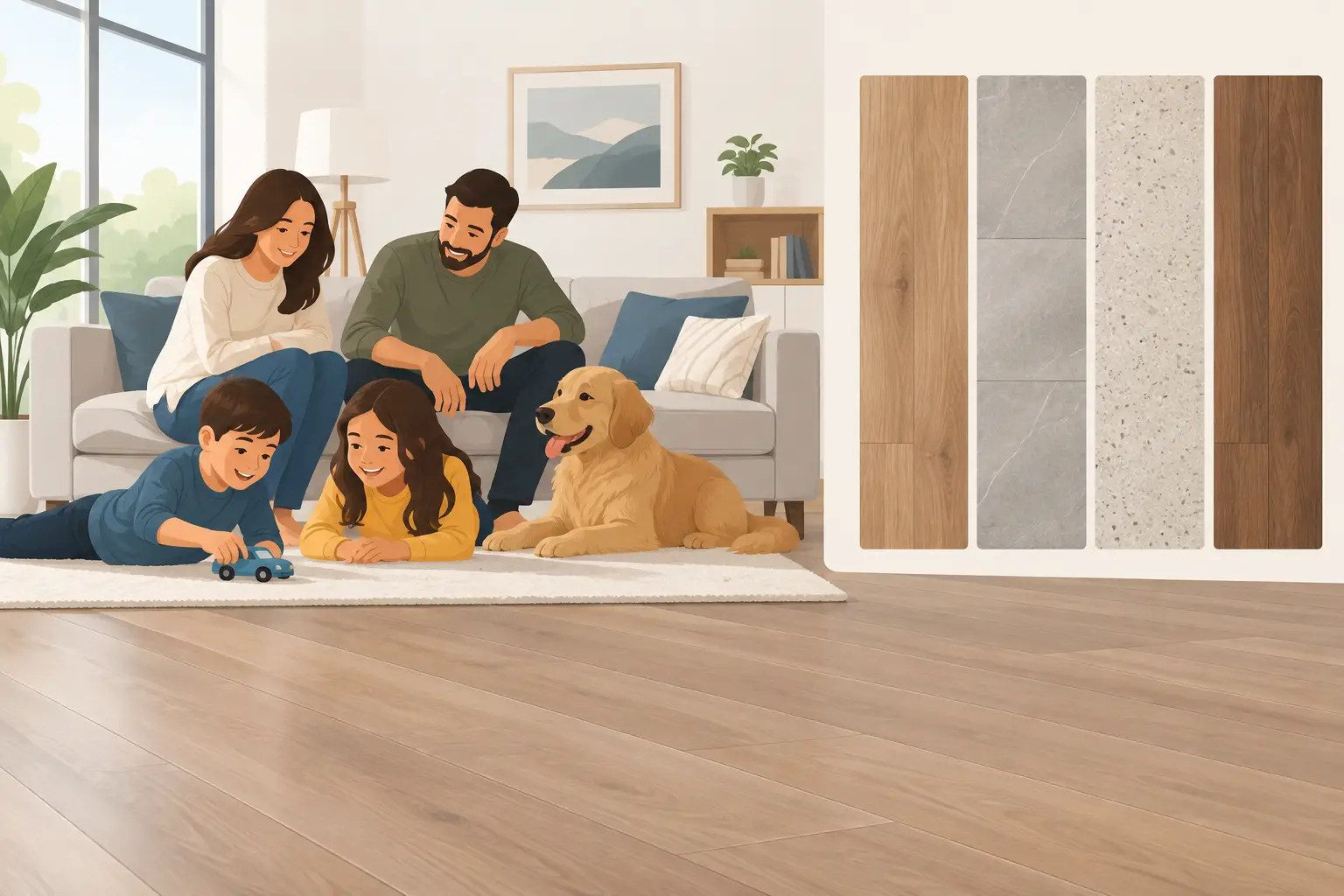
A family floor has to put up with far more than good looks. It deals with wet shoes at the front door, breakfast spills, dragged dining chairs, Lego, dogs racing down the hallway and strong Northland sun pouring through large windows. The best flooring options for busy families are the ones that suit how you actually live, not just how they look in a showroom.
For most Auckland and Northland homes, the decision comes down to three things: water resistance, everyday durability and how the floor performs when heat and sunlight are part of the picture. Get those right and you will have a floor that still looks sharp after years of real family life.
What a busy family floor needs to handle
A hard-wearing floor is not automatically the right floor. A surface can resist scratching yet be uncomfortable, noisy or unforgiving underfoot. Another may look beautiful but need more care than a home with young children, pets and a packed weekly schedule can realistically give it.
Start with the rooms you use hardest. Kitchens, entries, living areas and hallways need a material that is easy to clean and does not panic when water is tracked in. Bedrooms may allow more freedom, but using one continuous floor through open-plan areas creates a cleaner look and removes awkward transitions.
Sun exposure matters just as much in New Zealand homes. Large glazed doors and north-facing living spaces can generate serious heat. The flooring needs to be selected and installed with movement, expansion and the conditions of the site properly considered. This is where generic advice can become expensive.
Best flooring options for busy families: SPC or bamboo?
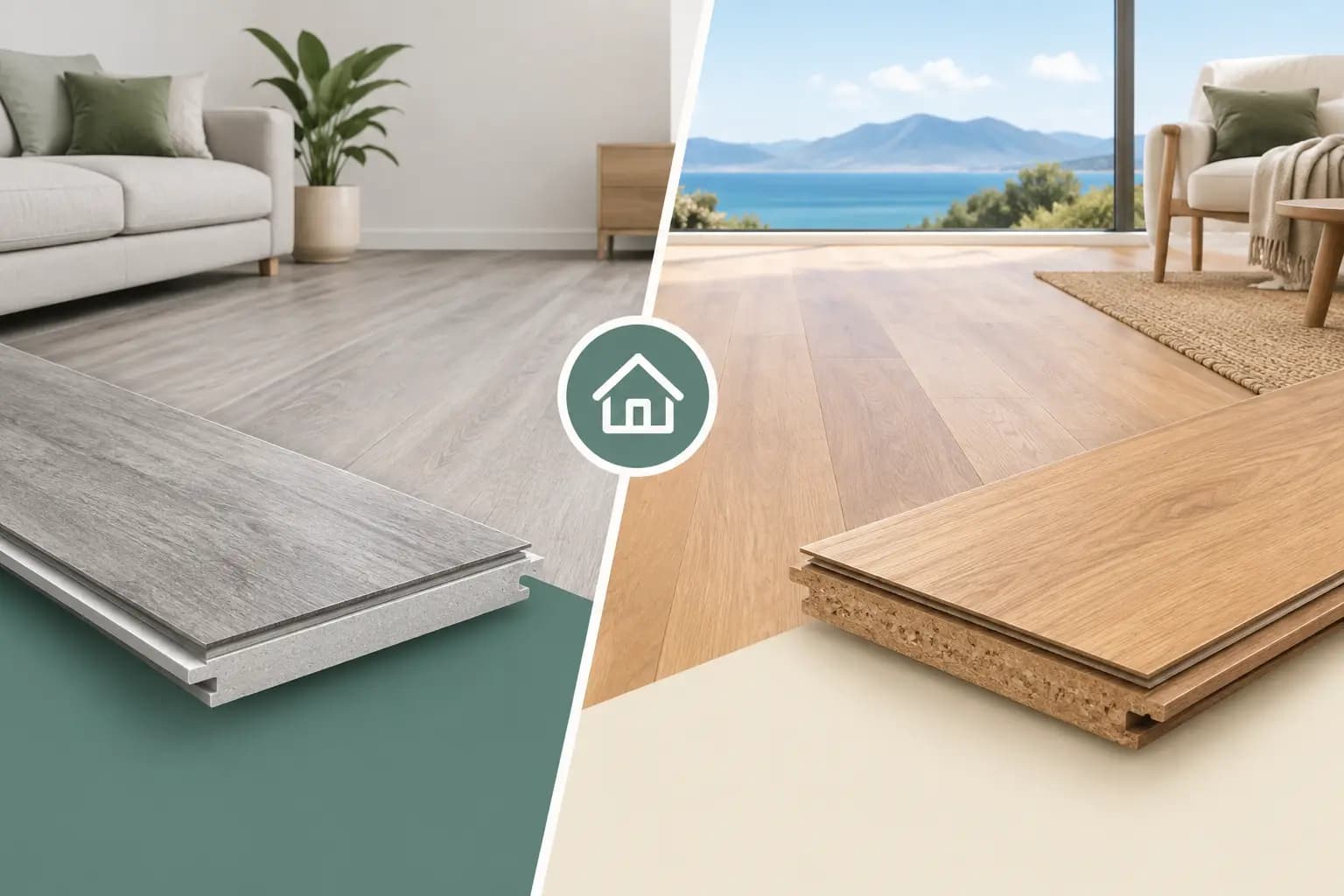
For many family homes, DualCore® stone polymer composite flooring, commonly called SPC, is the practical front-runner. Premium bamboo flooring is the stronger choice for homeowners who want a natural timber appearance, a warmer feel and a genuinely sustainable material. Both can perform exceptionally well when the product and installation are right for the home.
SPC flooring: the low-fuss family workhorse
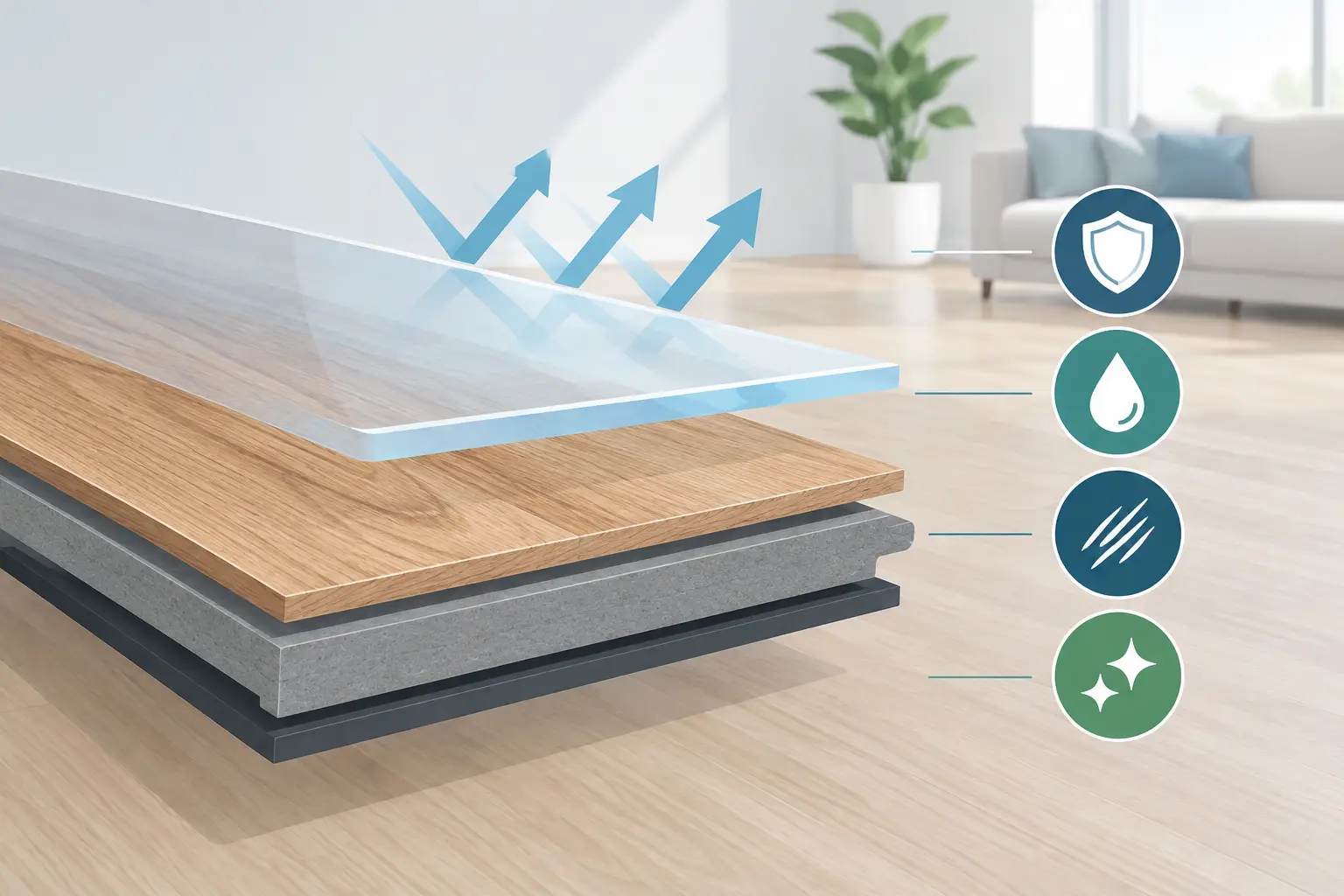
SPC flooring is built around a stable stone polymer composite core with a tough protective wear layer. It is designed for busy spaces and is a sensible choice where spills, muddy paws and regular cleaning are part of the routine.
Its biggest advantage is water resistance. A tipped drink, wet umbrella or post-sport rush through the door is not a crisis if it is wiped up in a reasonable time. That makes SPC particularly suited to kitchens, dining areas, hallways and family rooms, where life tends to happen all at once.
It is also highly scratch resistant for normal household use. No floor is completely scratch-proof - grit under furniture, sharp metal chair feet and dragged appliances can damage almost any surface - but a quality SPC floor stands up well to children, pets and daily traffic. Add felt pads to furniture and a good doormat at the entry, and you are giving the floor every chance to stay looking new.
The visual range is another strength. Modern boards can create a convincing timber look without the maintenance demands of a traditional timber floor. Installed across a living area, kitchen and corridor, they provide a practical, cohesive finish rather than a patchwork of different surfaces.
There are trade-offs. SPC is a composite product, so it does not have the natural grain variation or solid feel of real wood. It can also sound firmer underfoot than bamboo if installed without the right underlay. The quality of the board, underlay, preparation and perimeter detailing makes a real difference to the finished result.
Bamboo flooring: natural, tough and made for the right home
Bamboo is not a soft option dressed up as timber. Quality bamboo flooring is dense, durable and well suited to family homes that want a premium natural finish. It brings character that printed timber-look floors cannot fully replicate, with genuine variation and a warmth that works beautifully in living areas and bedrooms.
It also has a strong sustainability story. Bamboo grows rapidly compared with conventional hardwood trees, making it an appealing choice for homeowners who want a floor with lower environmental impact without settling for a lightweight product.
For active households, bamboo can handle everyday knocks and foot traffic well, but it asks for sensible care. Clean up spills promptly, use mats at exterior doors and avoid leaving water sitting on the surface. If your family regularly comes in from the beach, sports field or garden with wet footwear, SPC may be the more forgiving choice in the main traffic zones.
Bamboo is also a good option when the goal is to make a renovation feel less like a renovation and more like a finished home. It has depth, texture and a natural visual quality that adds value to open-plan spaces. The key is choosing a product rated for the intended use and having it assessed against the site conditions, particularly where large windows create substantial heat exposure.
MFB flooring: a value-led option for dry areas
DualCore® MFB flooring can be a smart choice for homeowners seeking a cost-effective timber-look finish in areas that are not regularly exposed to moisture. It offers good day-to-day durability and can provide a sharp visual result at a lower upfront cost.
However, it is not the automatic choice for every busy family. If the floor needs to handle wet pets, young children, frequent spills or a kitchen that never gets a break, a waterproof SPC floor generally gives more peace of mind. MFB works best when its limitations are respected rather than tested.
Do not choose on scratch resistance alone
“Scratch resistant” is useful, but it is not a complete buying decision. A flooring sample cannot tell you whether the floor will cope with direct afternoon sun, whether the subfloor is level enough for installation, or whether the board will work around an existing kitchen and stacker doors.
A proper site measure should cover moisture, subfloor condition, floor levels, door clearances, room layout and the need for trims or expansion gaps. These details determine whether the finished job feels solid and looks precise, or becomes a source of movement, gaps and callbacks.
The same principle applies to waterproof claims. Waterproof usually refers to the flooring material itself, not to the entire room becoming watertight. Water can still find its way around edges, through unsealed gaps or below the floor if a major leak is left untreated. Family-proof flooring reduces stress. It does not replace fixing a leaking dishwasher.
Match the floor to the room, not the sales pitch
A practical approach is to use SPC in the rooms that take the worst treatment: entry, kitchen, dining, lounge and hallway. It is easy to maintain, handles everyday moisture and keeps the whole main living space looking consistent.
Bamboo deserves serious consideration where warmth, natural material and long-term visual appeal are the priority. It can work throughout much of the home, provided the household is comfortable with prompt spill clean-up and the installation is planned for the building’s conditions.
For a renovation on a tighter budget, MFB can suit bedrooms, studies and lower-risk dry spaces. Just avoid using a lower-cost product to solve a high-demand flooring problem. Replacing a failed floor costs more than choosing the correct material at the start.
Installation is where performance is won or lost
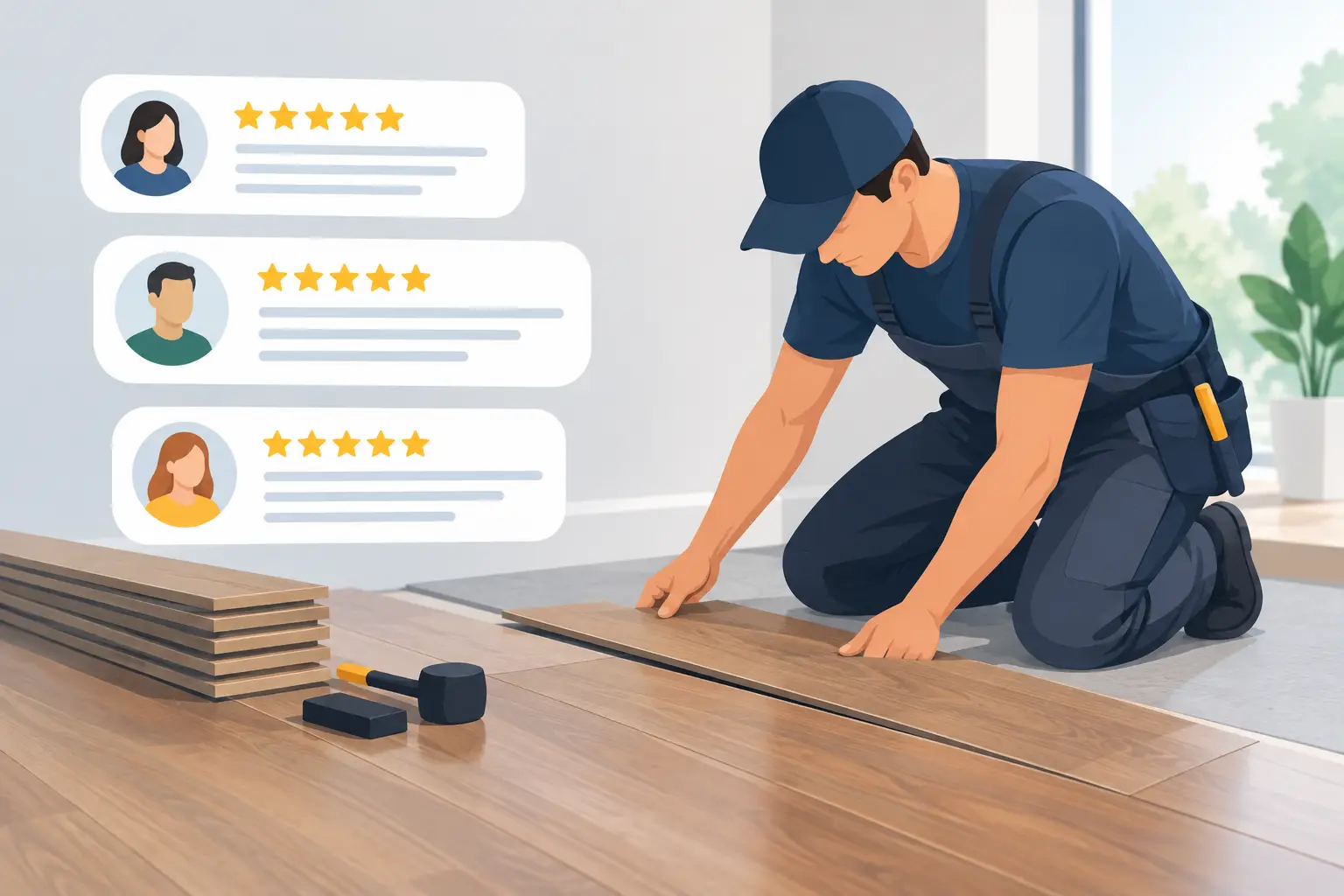
Even the best board can disappoint if it is installed over an unprepared subfloor or finished with poor detailing. Levelling, moisture management, quality underlay and correct aluminium trims are not optional extras. They are part of a floor that feels firm underfoot, remains stable and finishes cleanly at doors and changes in level.
This matters especially in older Auckland and Northland homes, where floors are not always perfectly flat and renovations often involve mixed materials. An experienced installer identifies those issues before boards are ordered and cut, not after the room is half finished.
At Trade Flooring NZ, the process starts with practical advice, samples and a free on-site measure and quote. You deal with the specialist assessing the site, supplying the flooring and installing it, rather than a salesperson passing the job down the line. No costly showroom. No unnecessary middlemen. Just the right floor installed to the point of perfection.
The right family floor should make life easier from the first week, not give you another thing to worry about. Choose the material for your busiest room, your sun exposure and the way your household really operates, then make sure the installation receives the same attention as the product.