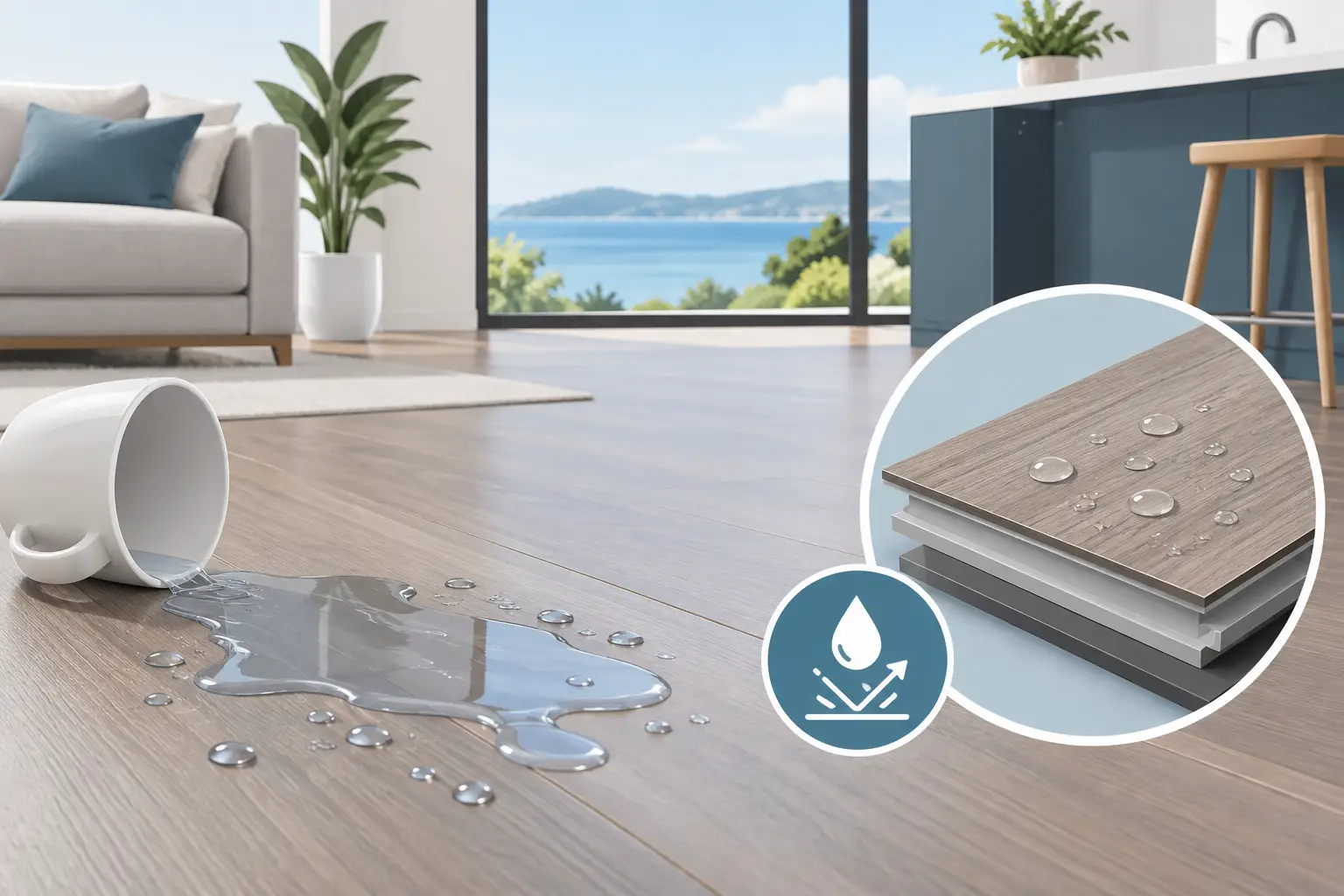
A wet dog shaking off after a beach walk, a child’s tipped drink, muddy boots by the ranch slider - these are normal parts of life in Northland and Auckland homes. So, is SPC waterproof? The short answer is yes: quality SPC flooring has a waterproof core and is built to handle everyday spills far better than timber-based flooring. But the full answer matters, especially if you want a floor that still looks sharp years after installation.
SPC is an excellent choice for busy family homes, kitchens, laundries and many bathroom settings. It is not, however, a licence to ignore leaks, poor subfloor preparation or incorrect installation. The difference between a floor that performs brilliantly and one that develops avoidable problems usually comes down to the details.
Is SPC waterproof from top to bottom?
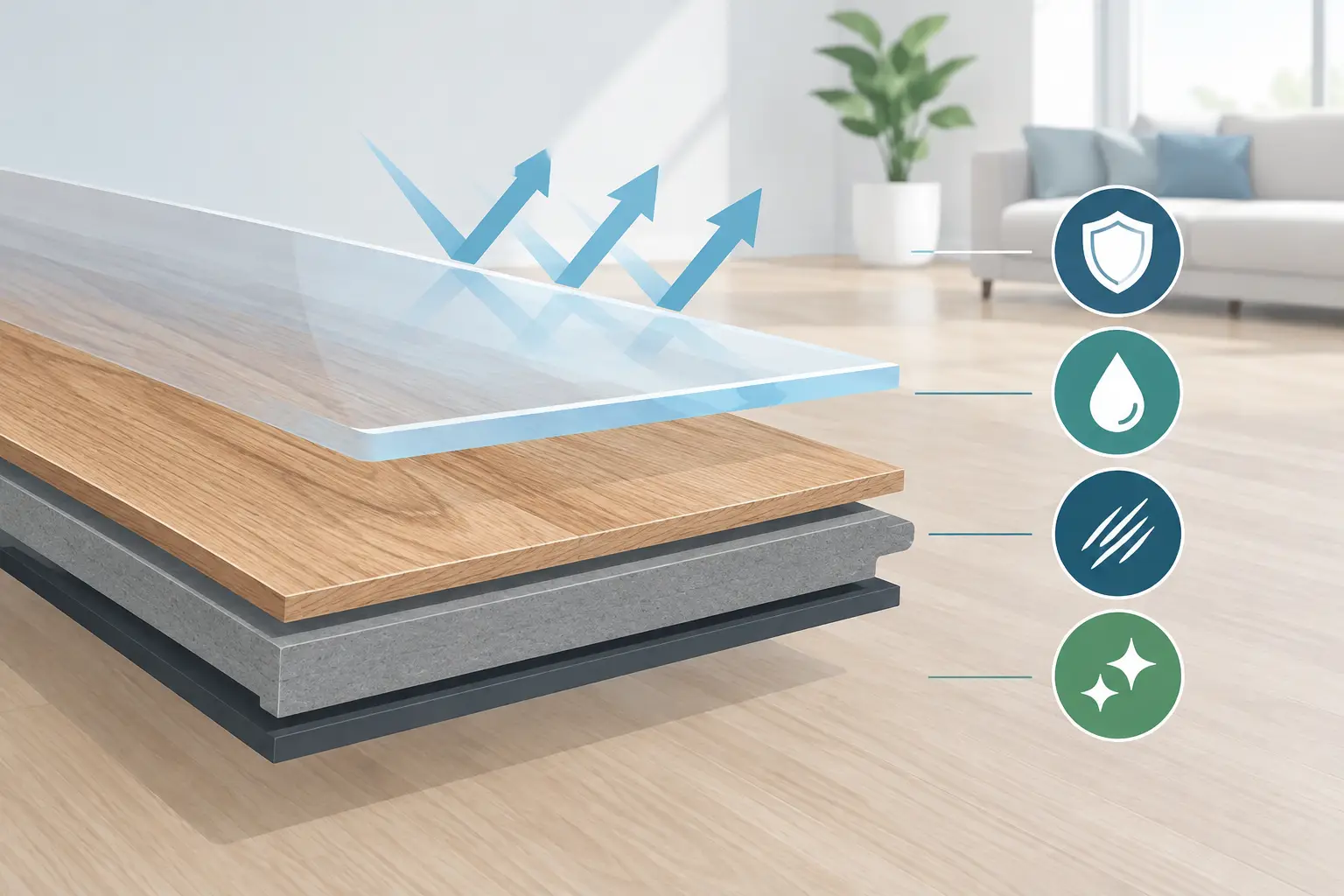
SPC stands for stone polymer composite. Its rigid core is made from mineral content and polymers, rather than wood fibre. Unlike laminate flooring or many engineered timber products, the core does not swell, buckle or break down when exposed to ordinary moisture.
That waterproof construction is the major advantage. A spilled glass of water, a dropped ice block, a pet bowl overflow or damp shoes at the entry will not soak into the planks. Provided the water is cleaned up in a reasonable time, the flooring itself is designed to cope.
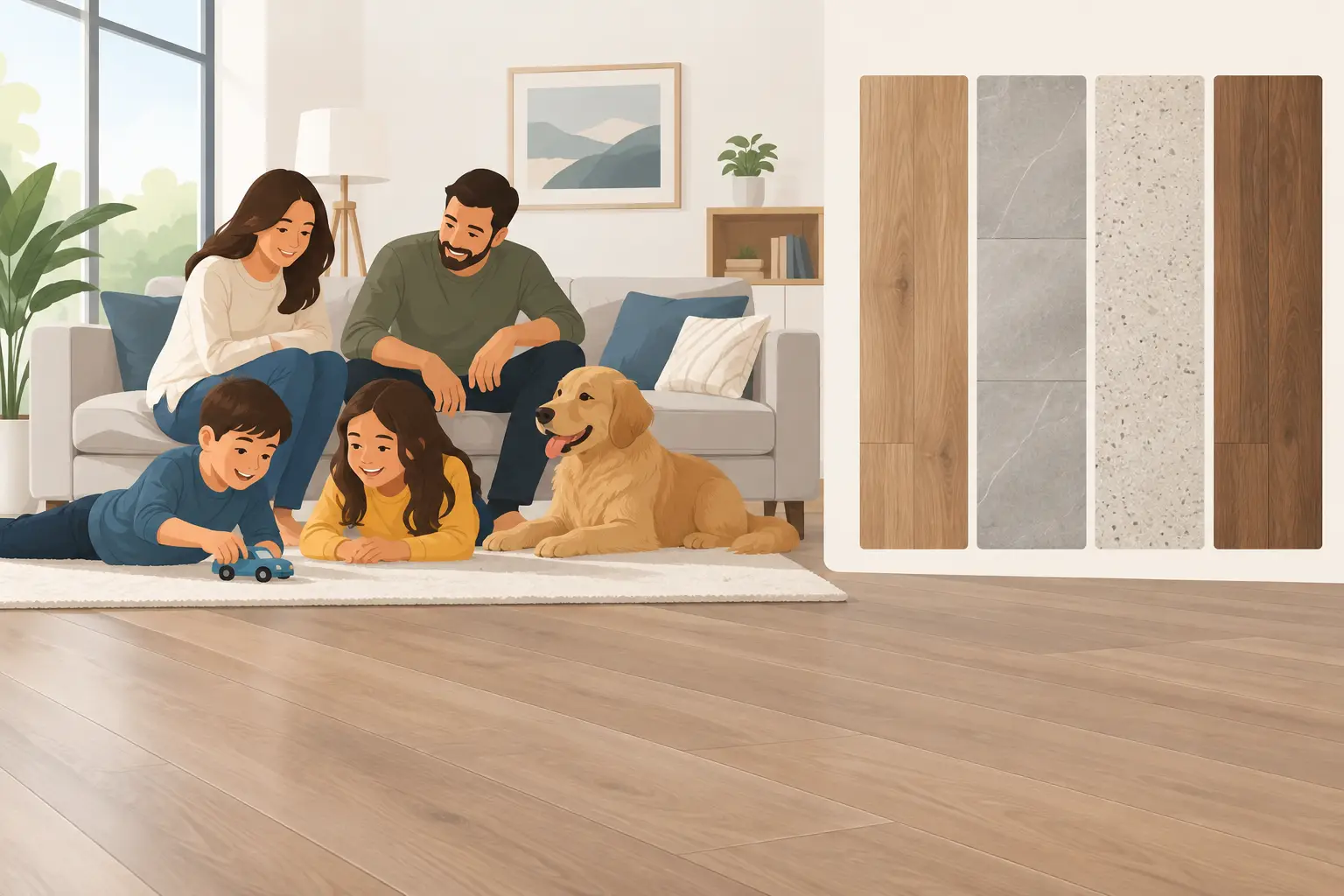
A quality SPC plank also has a protective wear layer on top, which helps resist scratching, staining and day-to-day scuffs. Combined with a stable rigid core, this makes it a practical floor for homes with children, pets and plenty of traffic through the kitchen and living areas.
The word waterproof needs to be used honestly, though. It describes the plank material, not every part of the completed floor system. Water can still find its way through joins, around room edges, beneath skirtings or into a gap around a pipe if a large amount is left sitting there. That does not mean SPC is a poor choice. It means correct installation is not optional.
What SPC flooring handles well
For ordinary household moisture, SPC is one of the most forgiving hard-floor options available. It is well suited to open-plan living where a kitchen, dining area and lounge run together, as well as entrances that cop the occasional wet jacket or sandy footwear.
It is also a smart option where sun exposure and temperature changes rule out less stable flooring. Large glazed areas can create serious heat in Northland homes. A well-specified SPC floor is far more dimensionally stable than many timber-based alternatives, although every product still has installation limits and temperature requirements that need to be followed.
In practical terms, SPC handles wet cleaning, minor spills and normal bathroom humidity without drama. Use a damp mop rather than flooding the floor, and wipe up standing water rather than letting it sit at the perimeter. Simple habits like these protect not just the planks, but the subfloor and surrounding building materials as well.
Where water can still cause trouble
No floating floor should be treated as a waterproof tank. If a washing machine hose fails, a dishwasher leaks overnight or a toilet overflows, water may travel underneath the flooring. The SPC planks may survive, but trapped moisture can affect the underlay, subfloor, skirting boards, wall linings and adhesive used on trims.
This is especially relevant in older homes where floors may not be level, moisture barriers may be missing, or previous renovations have left uneven substrates hidden beneath the existing covering. Laying new flooring over these issues is false economy.
Bathrooms need a clear distinction too. SPC can work very well in a standard residential bathroom when the room is properly prepared and the product is approved for that use. It is not automatically the right solution for a fully waterproofed wet room, a level-entry shower area or a space regularly hosed down. Those areas need a properly designed waterproofing system and a finish suited to constant direct water exposure.
Waterproof planks also cannot fix active moisture coming up from below. A concrete slab must be tested and prepared before installation. If moisture levels are outside the flooring manufacturer’s limits, the right moisture-control system must be used first. Skipping this step can lead to odours, mould growth beneath the floor or problems elsewhere in the building, even if the planks themselves remain intact.
Waterproof flooring starts with the installation
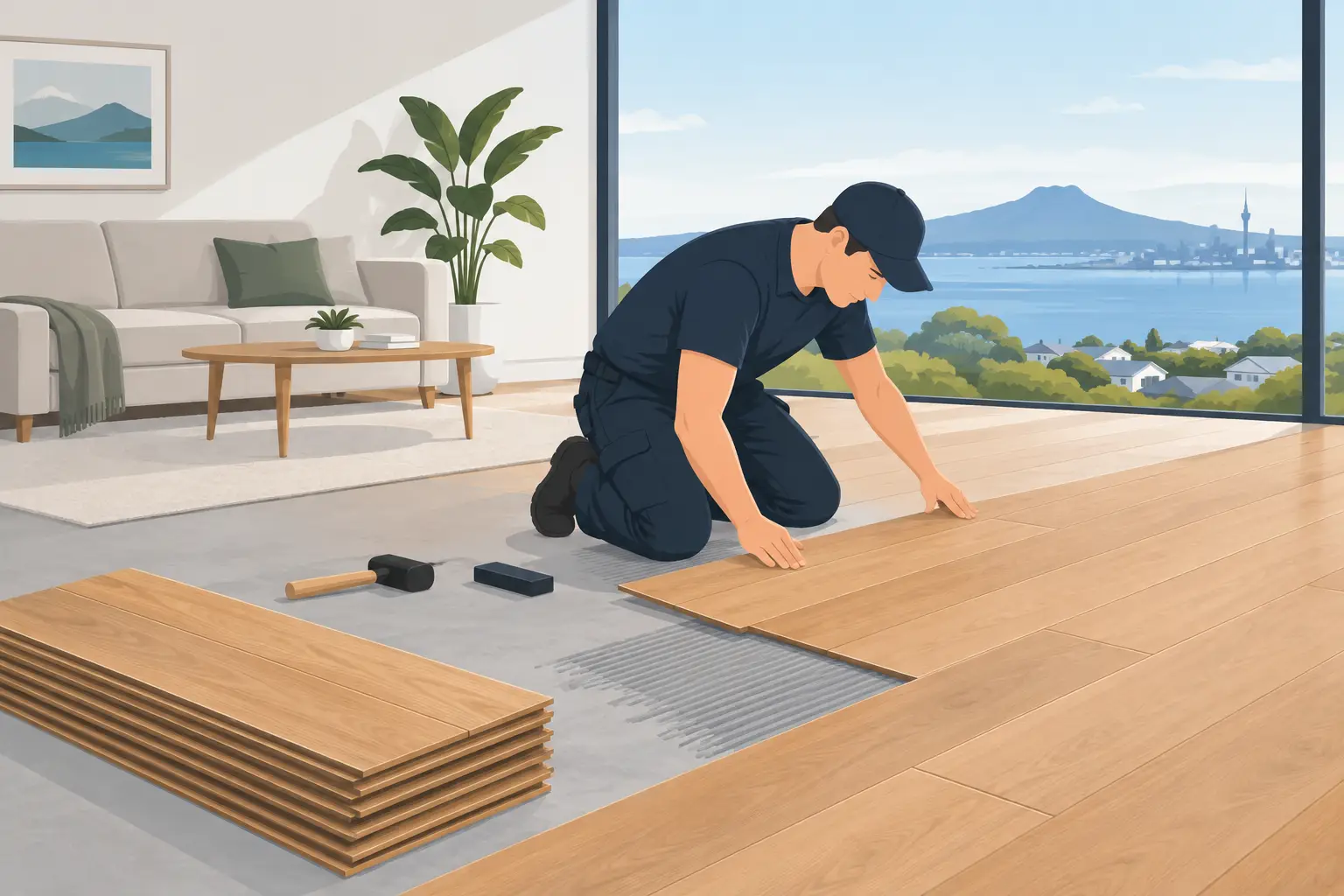
The best SPC product can only perform as well as the surface beneath it. The subfloor needs to be clean, dry, sound and sufficiently flat. High spots, low areas and loose sections should be corrected before any planks go down.
Expansion space around the room perimeter is equally important. SPC is stable, but it is still a floating floor and requires room to move with normal temperature changes. If boards are jammed hard against walls, kitchen cabinetry or door frames, pressure can build up and create lifting or joint issues. Covering the expansion gap neatly with the correct skirting, scotia or trim is part of a professional finish.
Doorways, transitions to other rooms and moisture-prone edges need attention as well. This is where the right aluminium trims and installation method make a real difference. A tidy-looking floor is not just about the visible plank pattern. It is about managing movement, protecting edges and making sure the final result works as a complete system.
At Trade Flooring NZ, that is why an on-site measure is valuable before choosing a product. A photo or room measurement sent from a mobile can be useful for an early estimate, but it cannot show slab moisture, floor flatness, access constraints or how the floor meets existing tiles, cabinetry and exterior doors. Those details are where costly surprises are prevented.
SPC versus laminate when moisture is the concern
SPC and laminate can look similar once installed, particularly with modern timber-look designs. Their response to water is very different.
Traditional laminate has a fibreboard core. Even water-resistant laminate can be vulnerable if moisture gets through joins or reaches an exposed edge. Once the core swells, it generally cannot be restored. SPC has no fibreboard core to absorb that water, which gives it a major advantage in kitchens, entrances, laundries and family homes where accidents are guaranteed.
That does not mean laminate has no place. It can be a cost-effective option for dry bedrooms and low-risk spaces. But if you are replacing flooring throughout a home and want one durable surface that can handle real household life, SPC is usually the more practical investment.
Choosing the right SPC, not just the cheapest box
Not all SPC flooring is made to the same standard. Plank thickness, wear-layer quality, locking system, backing, dimensional stability and warranty conditions all affect long-term performance. A bargain product can look convincing in a small sample, yet be harder to install cleanly or less forgiving under daily use.
Ask how the product performs in direct sun, whether it is approved for your intended rooms, what preparation the subfloor requires and what happens if a large leak occurs. A straight answer is worth more than a vague waterproof claim on a display tag.
For households with dogs, children and busy outdoor areas, consider the whole picture: scratch resistance, texture underfoot, colour, plank size and how easy the floor will be to clean. A pale floor may show muddy paw prints more readily; a heavily textured finish can hold more dirt. The best choice is one that suits the way your household actually operates, not just the look of a showroom board.
Care that keeps a waterproof floor looking new
SPC does not need complicated maintenance. Sweep or vacuum regularly using a hard-floor setting, then clean with a damp microfibre mop and a suitable neutral cleaner. Avoid steam mops unless the specific product manufacturer permits them, as concentrated heat and moisture can affect joins or surface finishes.
Use entry mats that do not have rubber backings likely to mark the surface, and fit felt pads under furniture. Wipe up spills promptly, particularly around appliances and exterior doors. These are small jobs, but they keep grit from dulling the wear layer and prevent water from sitting where it should not.
If you want a floor that stands up to the mess without looking like a compromise, SPC is a strong answer. Choose a quality product, prepare the site properly and have it installed with care. Then your floor can get on with the job it was bought for: handling real life while keeping the home looking finished to the point of perfection.