A cold kitchen floor at 7am is not a design feature. Nor is waiting days for grout, adhesives and trades to line up when you are trying to finish a renovation. The SPC versus tiles decision comes down to more than looks. It affects comfort, budget, noise, installation time and how well the floor handles real family life.
Tiles have earned their place in New Zealand homes, particularly bathrooms, laundries and high-end kitchens. But stone polymer composite flooring, known as SPC, gives homeowners a practical alternative for many spaces where they want the tiled look without the cold, hard surface or lengthy installation programme.
SPC versus tiles: start with how you live
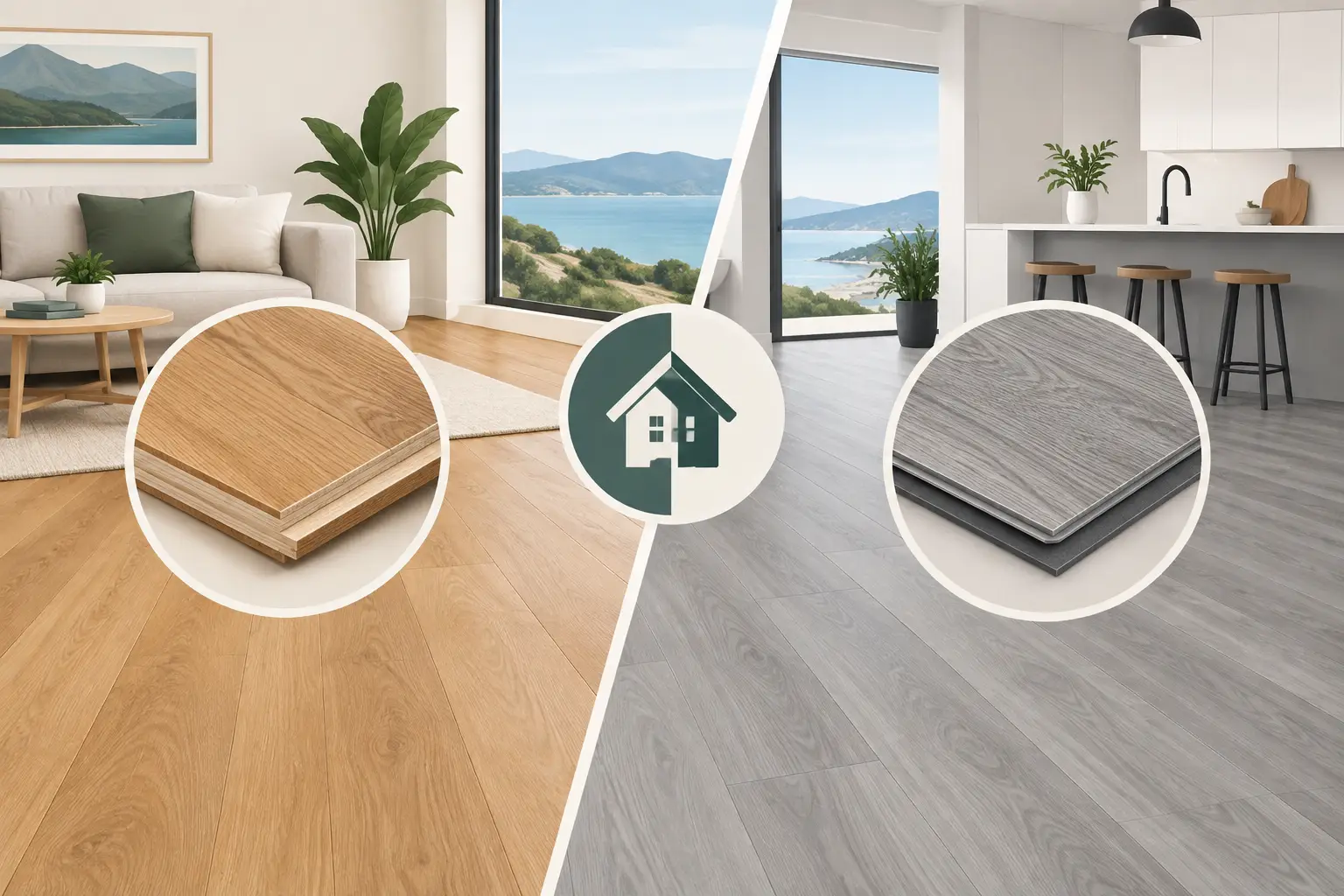
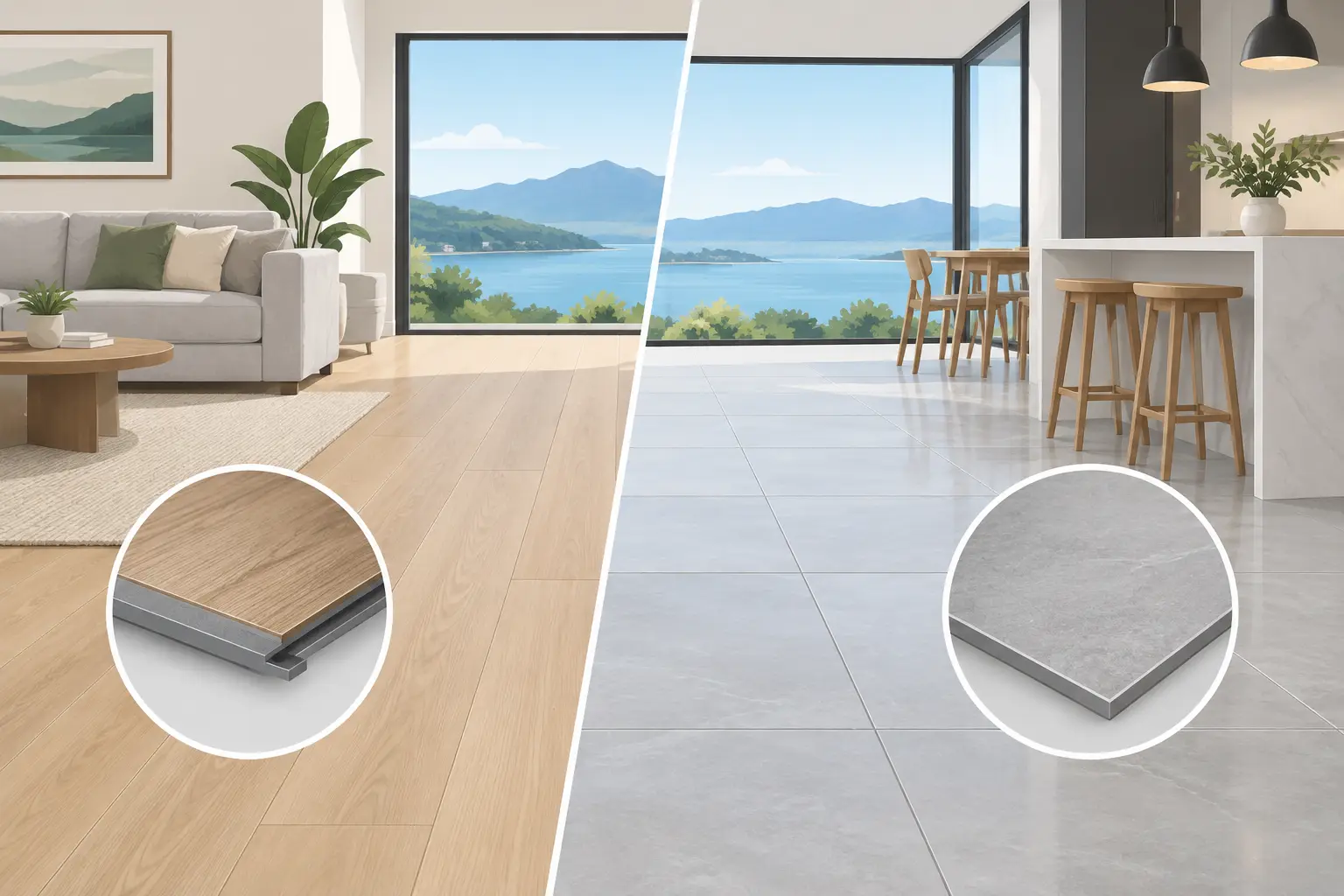
Porcelain and ceramic tiles are hard-wearing mineral surfaces fixed permanently to the subfloor with adhesive and grout. They suit homes where a crisp, solid finish is the priority, and they are often the right call for shower areas and fully tiled wet rooms.
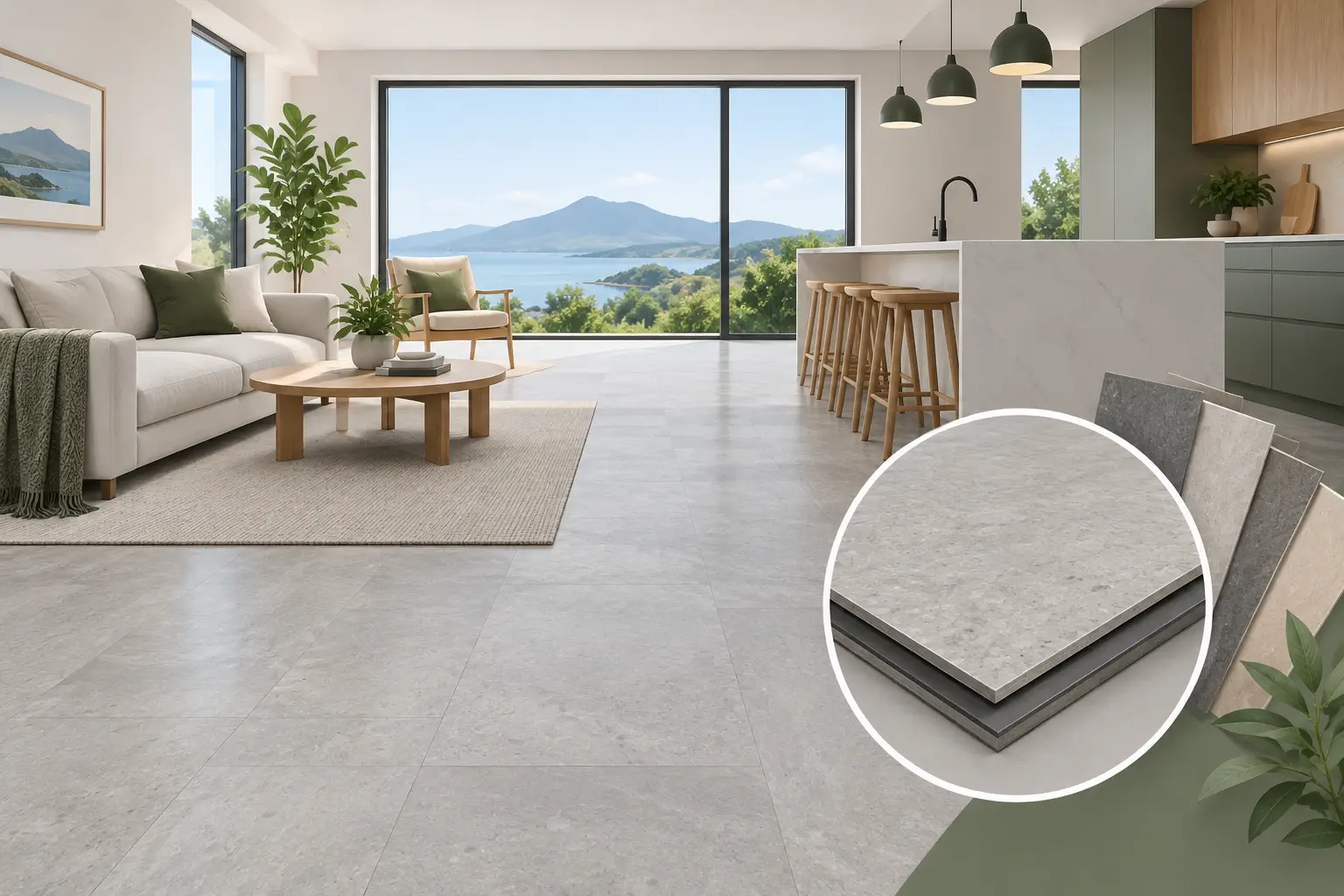
SPC is a rigid composite plank or tile flooring with a waterproof core, protective wear layer and a realistic printed décor. Quality products can reproduce stone, concrete and timber looks convincingly, while providing a warmer and quieter surface underfoot. It is generally installed as a floating floor using a click-lock system.
That difference matters when children race through the kitchen, pets charge in from the garden or someone drops a mug. Tiles will not dent easily, but dropped glass and crockery have little chance on a hard tiled surface. SPC has a little more give, helps soften footfall noise and is kinder on standing legs during a long evening of cooking.
Warmth and comfort underfoot
For open-plan living, bedrooms and hallways, comfort is where SPC often pulls ahead. Tiles naturally feel cool because they draw heat from bare feet. That can be welcome in a hot Northland summer, but it is less appealing in winter or in a south-facing room.
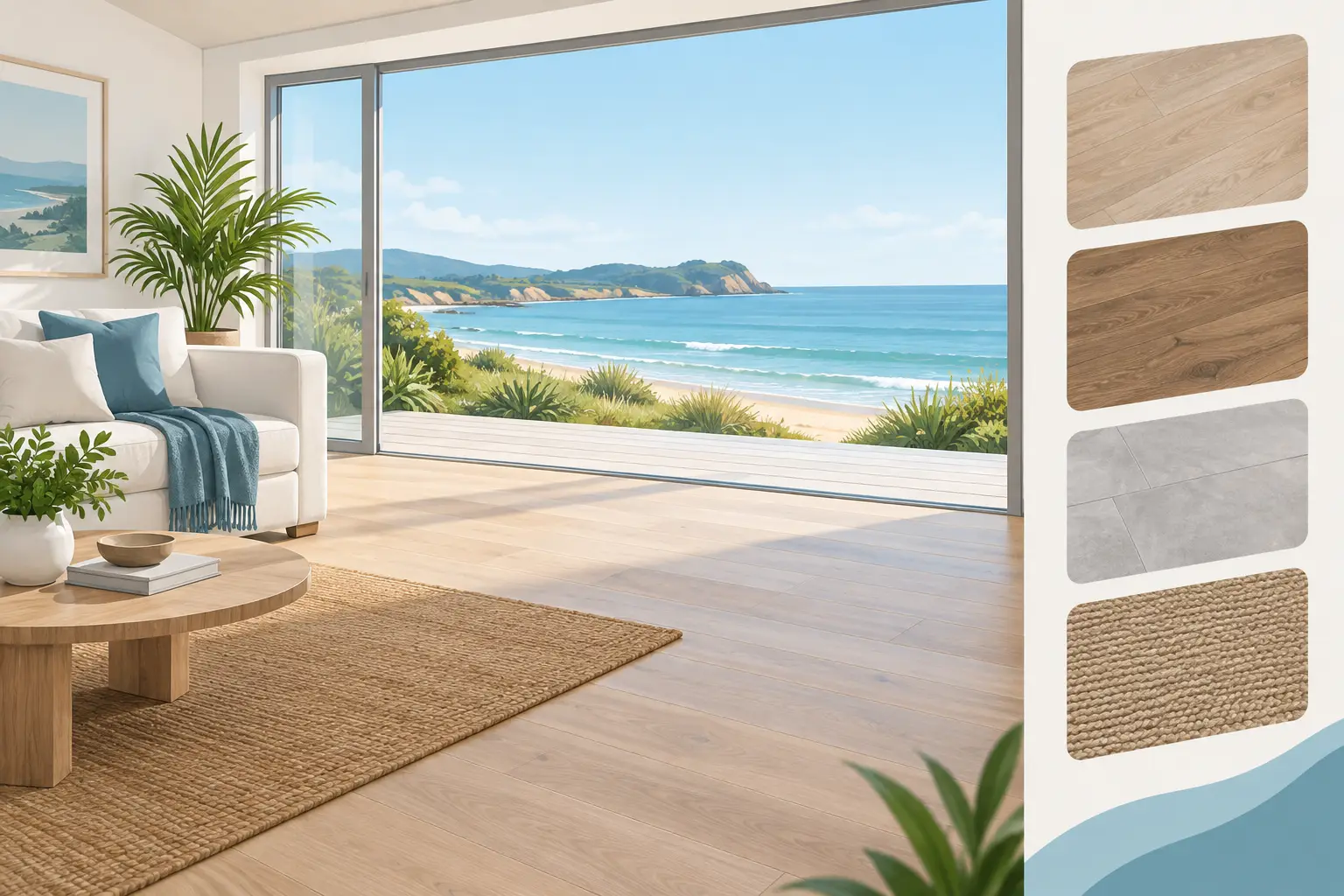
SPC does not feel as warm as carpet or bamboo, but it is noticeably less cold and less echo-prone than tile. With the correct underlay and a properly prepared subfloor, it creates a more comfortable everyday floor without losing the clean, contemporary look many renovators want.
Tiles can work well with underfloor heating, and this is one situation where they remain a strong option. They conduct heat efficiently and retain it well. If heated floors are part of the plan, confirm the selected SPC product is approved for that system and that the temperature limits can be maintained. Flooring should never be chosen on appearance alone when heat is involved.
Water resistance is not the same as a wet-room system
Both materials cope well with household spills. A porcelain tile itself is highly water resistant, while SPC’s core and surface are designed not to swell from a spilled drink, wet shoes or a dog bowl mishap.
The weak point with tiles is usually the grout and the substrate beneath them. Grout needs regular cleaning, can stain and may eventually crack. In wet areas, successful tiling relies on correct waterproofing, falls to drains, adhesive selection and grout work. A beautiful tile job can still fail if the preparation underneath is poor.
SPC avoids grout lines, which makes daily cleaning simpler. Wipe up spills, vacuum or sweep grit, and use a damp mop with a suitable cleaner. However, water can still find its way around the edges or through poorly detailed areas. SPC is not a substitute for a compliant waterproof membrane in a shower or a room designed to be regularly hosed down.
For most kitchens, dining rooms, entry areas and laundries, SPC is an excellent practical choice. For a tiled shower, a wet-room bathroom or an area requiring drainage falls, tiles installed over a correctly prepared waterproofed base are usually the smarter solution.
Installation time, mess and disruption
Tile installation is skilled work. The surface must be flat and stable, layout lines must be accurate, cuts need to be clean, and adhesive and grout need curing time. Depending on the scope, it can involve demolition, levelling compounds, waterproofing and several return visits before the room is ready for normal use.
SPC is quicker, but quick should never mean careless. The existing floor still needs checking for flatness, moisture and movement. Door jambs, skirting details, expansion gaps, transitions and trims all need to be handled properly. Poor preparation is the reason many floating floors end up clicking, flexing or separating at joins.
A professional SPC installation can often reduce disruption dramatically, especially over a sound existing hard floor. That makes it attractive for occupied homes, rental upgrades and projects where the kitchen needs to be back in service fast. No wet adhesive across the entire floor and no grout haze to clean off afterwards.
At Trade Flooring NZ, the job starts with an on-site measure rather than a guess from a plan. That is where issues such as floor levels, direct sun, large glazed areas and suitable trim details can be dealt with before installation day.
Cost is more than the square-metre price
Comparing a box of SPC with a tile price tag is not a fair comparison. Tiling costs can include removal of the old floor, screed or levelling, waterproofing, adhesive, grout, edge trims, cutting labour and extra time on site. Complex patterns, large-format tiles and uneven substrates can add further cost.
SPC has its own requirements, including underlay where specified, trims and careful floor preparation. But the supply and installation process is often more straightforward. That can make a substantial difference to the total project cost, not just the material price.
The least expensive option is not always good value. A low-grade SPC product may have a thin wear layer, weak locking system or poor dimensional stability. Cheap tiles can vary in size, chip more readily or create extra installation labour. Ask what is included, what condition the subfloor needs to be in, and who stands behind the finished work.
Scratches, dents and daily cleaning
Porcelain tile is exceptionally resistant to scratching. It is a strong performer in busy entryways, especially where sand and grit are carried inside. Its downside is impact: a heavy item can chip a tile, and replacing one tile later can be awkward if matching stock is unavailable.
Quality SPC is designed for hard domestic use, with a protective wear layer that handles children, pets and everyday furniture well. It is scratch resistant, not scratch proof. Grit is still abrasive, so use mats at external doors, felt protection under furniture and clean up sharp debris rather than dragging it across the floor.
For cleaning, SPC wins on simplicity. It has no grout to scrub and generally needs only regular dry cleaning plus a lightly damp mop. Tile is also easy to clean on the surface, but grout lines demand more attention over time, particularly in pale colours and high-use kitchen zones.
Heat, sunlight and the subfloor underneath
Northland and Auckland homes with wide sliders, skylights and large north-facing glazing need a proper flooring assessment. Direct solar heat can be punishing. Tile is generally stable under sun exposure, although dark colours can become uncomfortably hot.
SPC performance depends on product quality, room conditions and installation allowances. A good system must be installed to its specifications, with correct expansion space and sensible management of intense heat through glazing. Blinds, curtains or solar-control film may be worth considering in the hottest rooms. This is not a detail to leave to a showroom salesperson who has not seen the site.
Subfloor condition also changes the answer. Tiles need a stable, rigid base to reduce the risk of cracks. SPC can bridge minor visual imperfections better than tile, but it cannot correct a floor that is badly uneven, damp or moving. The floor preparation is part of the finished floor, whether anyone sees it or not.
Which floor belongs in each room?
There is no prize for using one material throughout the whole house. Many successful renovations use both. Tiles are often the better fit for showers, wet-room bathrooms and outdoor-adjacent areas needing a fully tiled system. SPC suits open-plan living, kitchens, hallways, bedrooms, laundries and busy family spaces where warmth, speed and easy maintenance matter.
If you want a stone-look kitchen floor but do not want cold feet, grout maintenance or a drawn-out renovation, SPC is hard to beat. If your bathroom design includes a walk-in shower, floor waste and full waterproofing, choose a properly specified tile system and get the groundwork right.
Bring the decision back to the room, the condition of the subfloor and the way your household actually operates. A floor should look sharp on handover day, then keep doing its job when the kids, the dog, the weather and daily life turn up.