A floor can look excellent in a showroom sample and disappoint six months later if it was chosen for the wrong room or installed over a poor subfloor. That is why useful SPC flooring reviews look beyond colour, price and a quick “love it” comment. For Northland and Auckland homes, the real test is how the floor handles sun through big glazed doors, wet shoes at the entry, dogs charging through the house and the daily punishment of family life.
SPC is a strong option when those demands are part of the brief. But not every SPC plank is equal, and not every installation is prepared to the same standard. The details decide whether you get a sharp, quiet, long-lasting floor or one that clicks, moves and lets down an otherwise good renovation.
How to read SPC flooring reviews properly
The best reviews describe where the flooring has been laid and how it performs after normal use. A positive review from a homeowner with a quiet spare room is not the same as feedback from a busy household with children, pets, sliding doors and direct afternoon sun.
Look for comments about surface wear, joint stability, cleaning and comfort underfoot. If a reviewer mentions their floor still looks tidy after chairs, paws and everyday spills, that is more valuable than a comment made immediately after installation. Likewise, reports of gaps, lifted edges or a hollow sound should prompt a closer look at the preparation beneath the planks, not just the product itself.
Be cautious with reviews that claim any floor is indestructible. SPC flooring is highly scratch resistant, water resistant and stable compared with many traditional floating floors. It is not immune to damage from dragged furniture, grit under chair legs or a sharp object dropped with force. A good floor is tough. A well-managed home still protects it with felt pads, mats and sensible cleaning.
What SPC flooring is designed to do
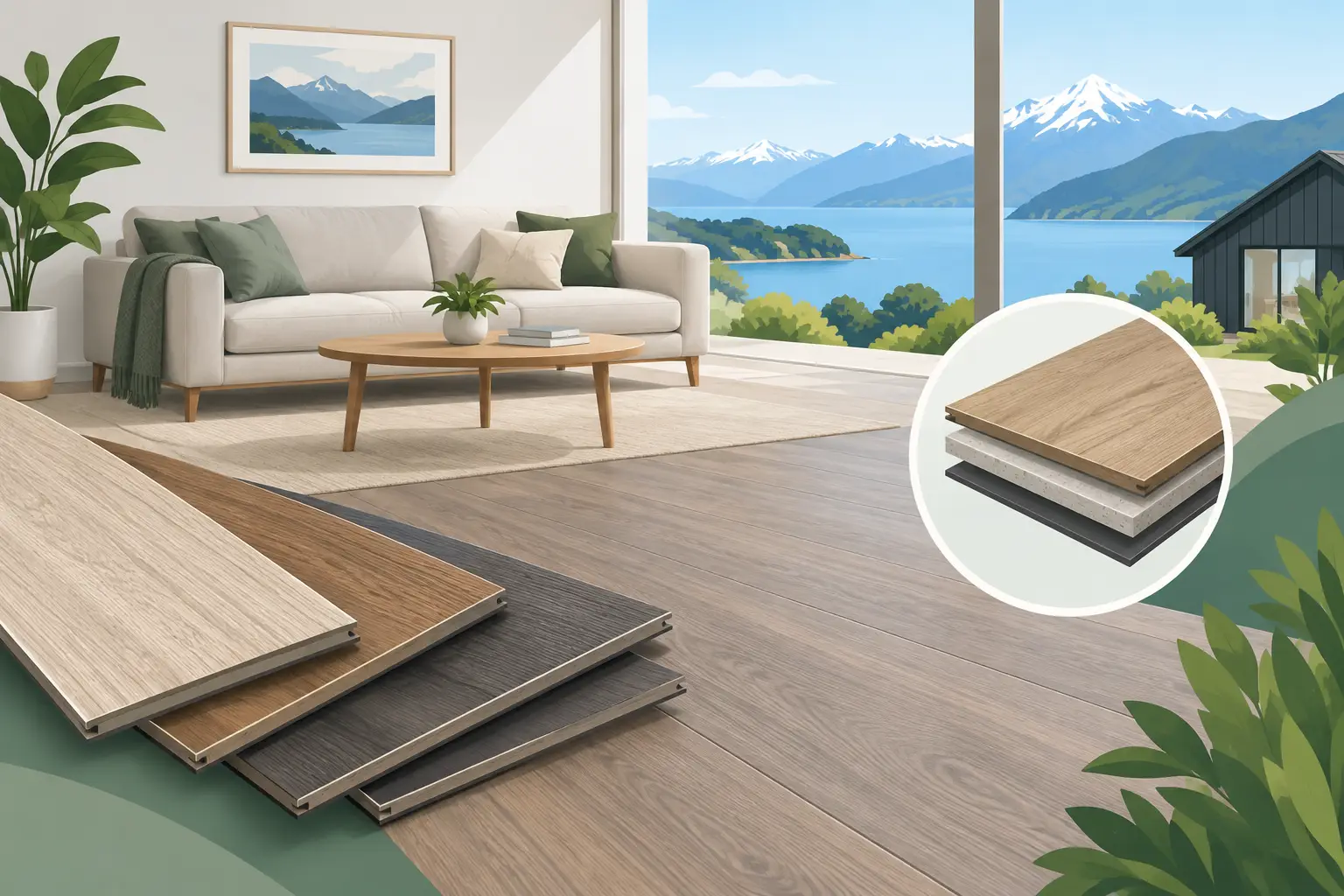
SPC stands for stone polymer composite. Its rigid core gives the plank its strength and dimensional stability, while the decorative layer delivers the timber or stone look and the protective wear layer takes the day-to-day abuse.
This construction makes SPC a practical choice for open-plan living areas, kitchens, hallways and homes where muddy paws and school bags are normal. It is also popular with renovators who want a finished floor that looks considered without paying conventional retail mark-ups for solid timber.
Quality shows up in more than the printed design. Check the plank thickness, wear-layer specification, locking profile and attached acoustic backing. The pattern should have believable variation rather than obvious repeated boards across a large room. The edges should lock firmly. The backing should help reduce footfall noise, but it does not remove the need to assess the subfloor and use the correct underlay where required.
A premium composite floor should feel purposeful underfoot, not flimsy. That does not mean every homeowner will prefer it to bamboo or timber. If you want a natural material that can develop character over time, bamboo may be the better fit. If your priority is low maintenance, water resistance and a hard-wearing finish for a busy household, SPC deserves serious consideration.
SPC flooring reviews and heat through glass
Heat is one of the most overlooked parts of a flooring decision in New Zealand. Large north- and west-facing windows, ranch sliders and conservatory-style spaces can generate serious surface temperatures. This is where generic advice and bargain planks can become expensive.
A stable SPC core is built to cope well with changing conditions, but every product has limits. Direct heat can still create expansion pressure, particularly where flooring runs across large connected spaces or is pinned beneath heavy cabinetry and tight trims. Correct expansion allowances around walls, islands and door jambs are not optional. Neither is checking the manufacturer’s guidance for rooms with intense solar gain.
Reviews that mention a floor remaining flat and secure through a hot summer are worth attention. So are professional site assessments that identify high-risk glazed areas before the first plank is laid. Blinds, UV-control window treatments and suitable layout decisions can all be part of protecting the result. The right product helps, but workmanship and planning finish the job.
Water resistance is useful, not a licence to ignore leaks
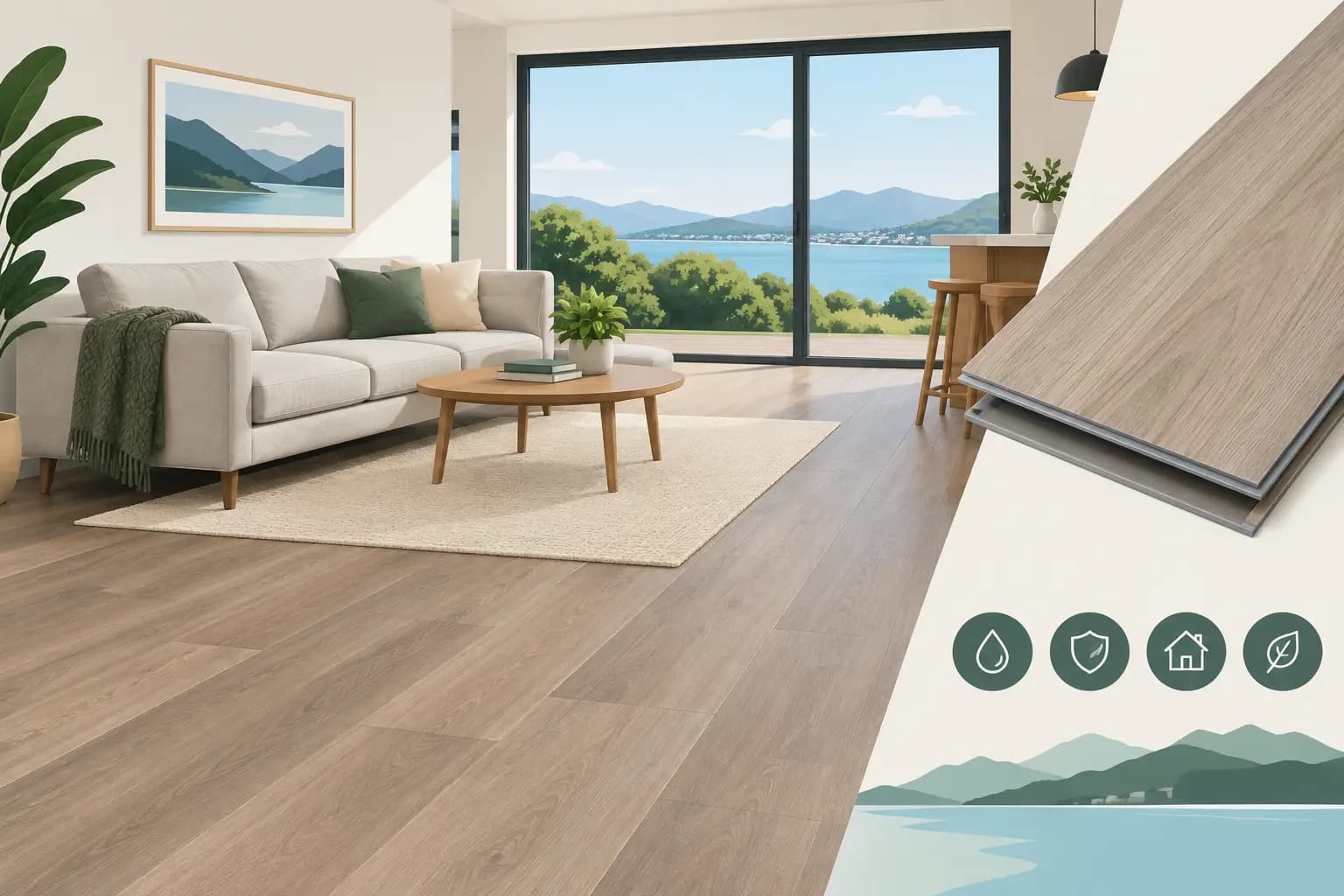
SPC’s waterproof core is a major advantage in kitchens, entrances and family areas. A knocked-over drink, wet jacket or dog bowl spill can be cleaned up without the panic associated with some timber-based flooring products. That makes day-to-day life easier.
However, flooring reviews sometimes blur the difference between a waterproof plank and a fully waterproof room. Water can still travel around the perimeter, beneath trims or through unsealed areas around pipes and exterior doors. Long-term leaks, overflowing appliances and failed waterproofing need to be fixed at the source.
For bathrooms, laundries and other wet areas, the installation method matters as much as the board. The floor must suit the room, the substrate and applicable waterproofing requirements. A salesperson who says every SPC product works everywhere without qualification is not doing you a favour.
Installation is the part reviews often miss
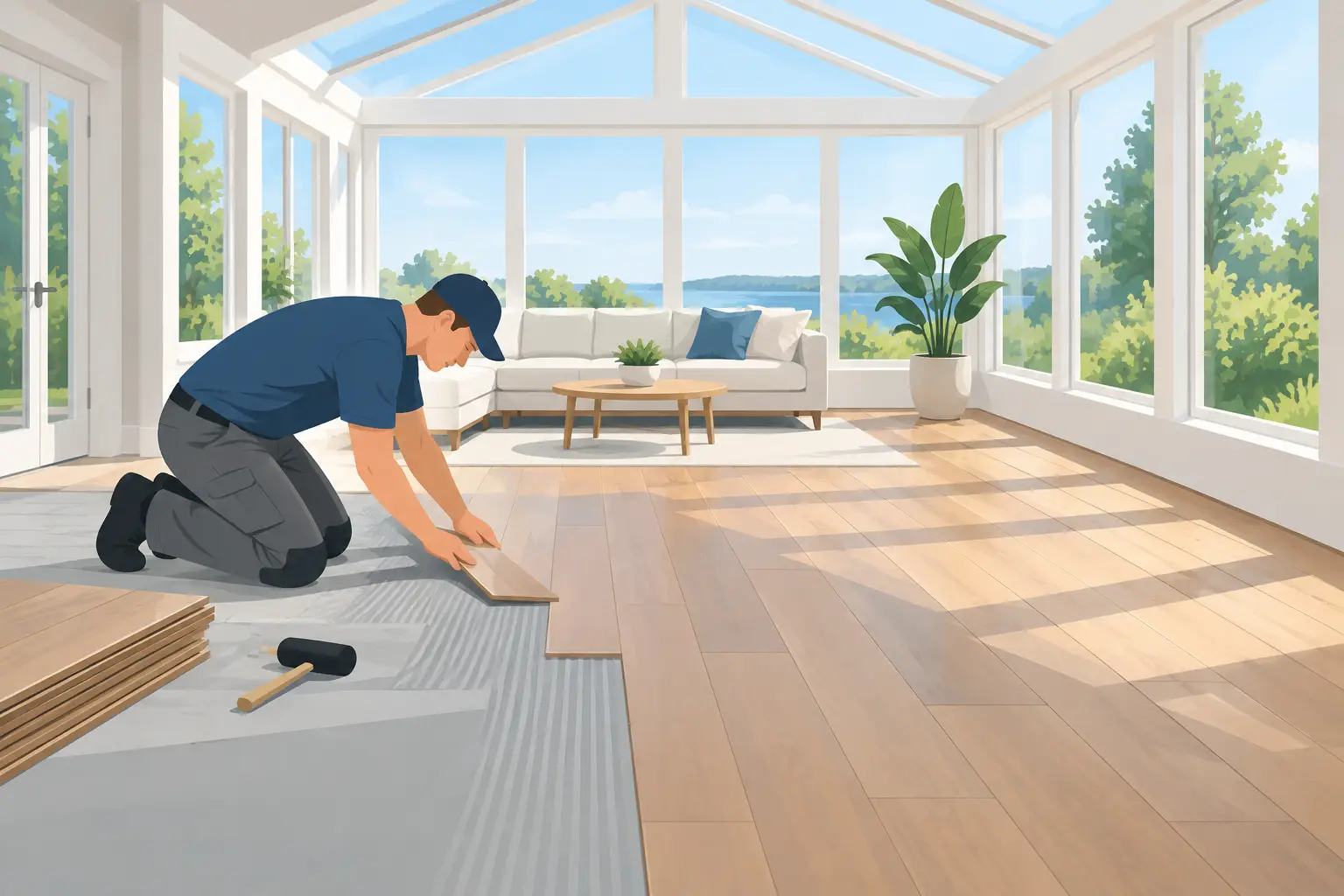
A floating floor is not simply clicked together and forgotten. The existing floor needs to be dry, clean, sound and sufficiently level. SPC is rigid, which is excellent for performance, but it can telegraph uneven areas below it. A raised ridge, low patch or loose substrate may create movement, noise or pressure at the locking joints.
Professional preparation also deals with the details homeowners should not have to chase later: door clearances, trim placement, transitions to other floor coverings, expansion gaps and clean finishing around skirtings. These are the parts that make a floor look installed to the point of perfection rather than merely laid.
At Trade Flooring NZ, Martin handles the process from product advice and on-site measurement through to supply and installation. That single point of accountability matters when a room has difficult levels, strong sun exposure or an awkward transition to tile. It also avoids the common handball between a retailer, a contractor and a separate installer when something needs sorting.
Value is more than the square-metre price
Low advertised pricing can be tempting, particularly on a whole-house renovation. But compare like with like. A cheap plank may exclude underlay, trims, floor preparation, delivery or installation. It may also carry a thin wear layer, a weaker click system or limited stock availability when you need extra boards for cuts or future repairs.
The better question is what the complete job costs and what standard it will be finished to. Direct-import pricing can make premium composite flooring far more accessible, especially when it removes showroom overheads and extra retail margins. Yet the saving only counts if the product is right for the site and the installation is done properly the first time.
Ask to see a full sample in your home, not just under showroom lighting. Put it beside cabinetry, wall paint and existing tiles. View it in morning and late-afternoon light. If you have children or pets, test the texture with bare feet and consider how often you will be cleaning it. The floor needs to work with your life, not just your mood board.
The most helpful SPC flooring reviews are the ones that tell the truth about the home behind the floor. Choose a quality plank, allow for heat and moisture, and insist on proper preparation. Then you can enjoy the easy-care, paw-tested practicality SPC is known for without waiting for the small print to become a problem.