A beautiful floor can look right on a small sample and still be the wrong choice for the way your household lives. When comparing bamboo versus engineered timber flooring, the questions that matter are not just colour and price. Think wet shoes at the back door, dogs charging through the hall, chairs scraping across the dining area, and afternoon sun pouring through wide glazing.
Both floors can add genuine warmth and value to a Northland or Auckland home. Both need the right preparation and a professional installation. The difference is in how they are made, how they wear, and where they make the most sense.
Start with performance, not the showroom sample
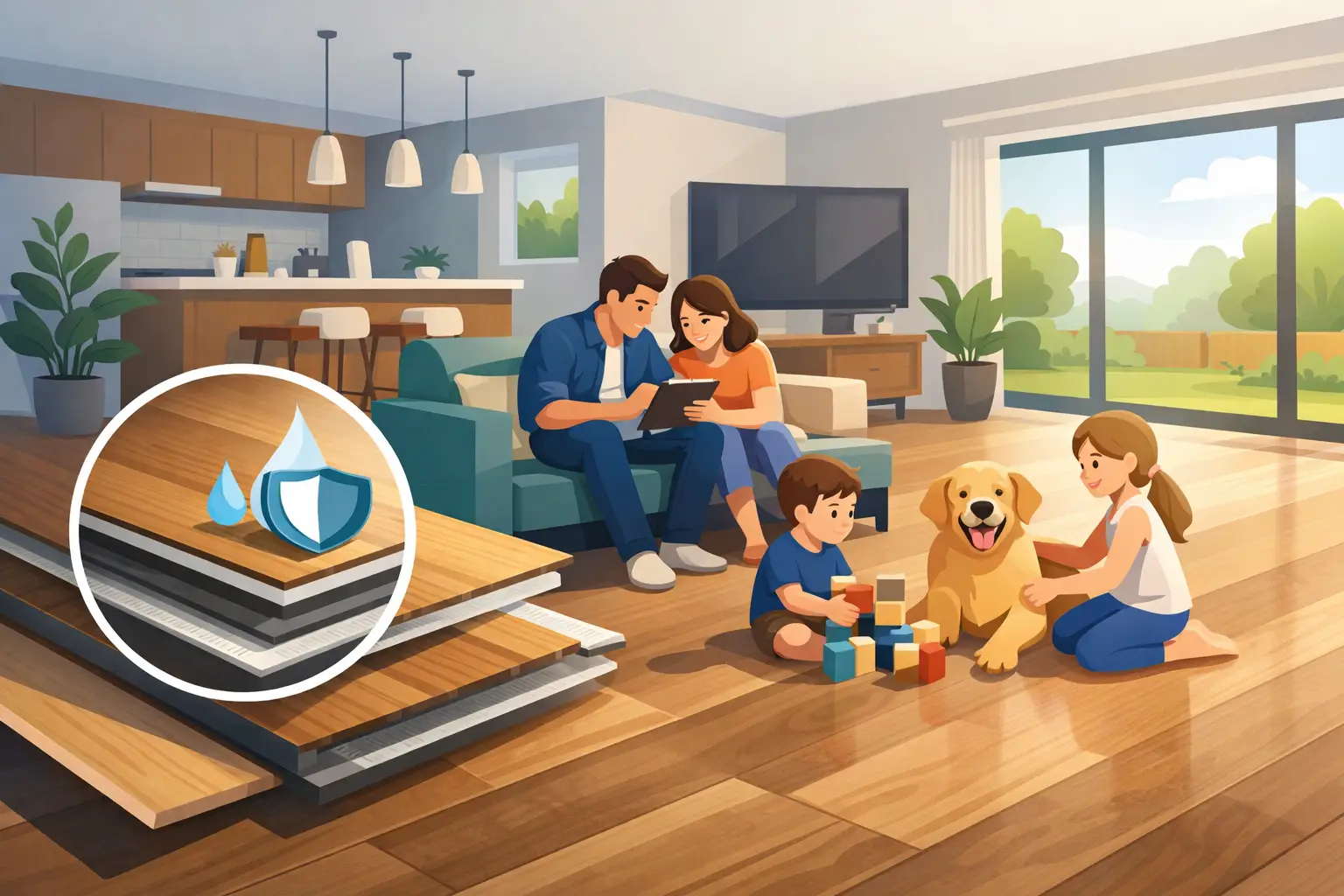
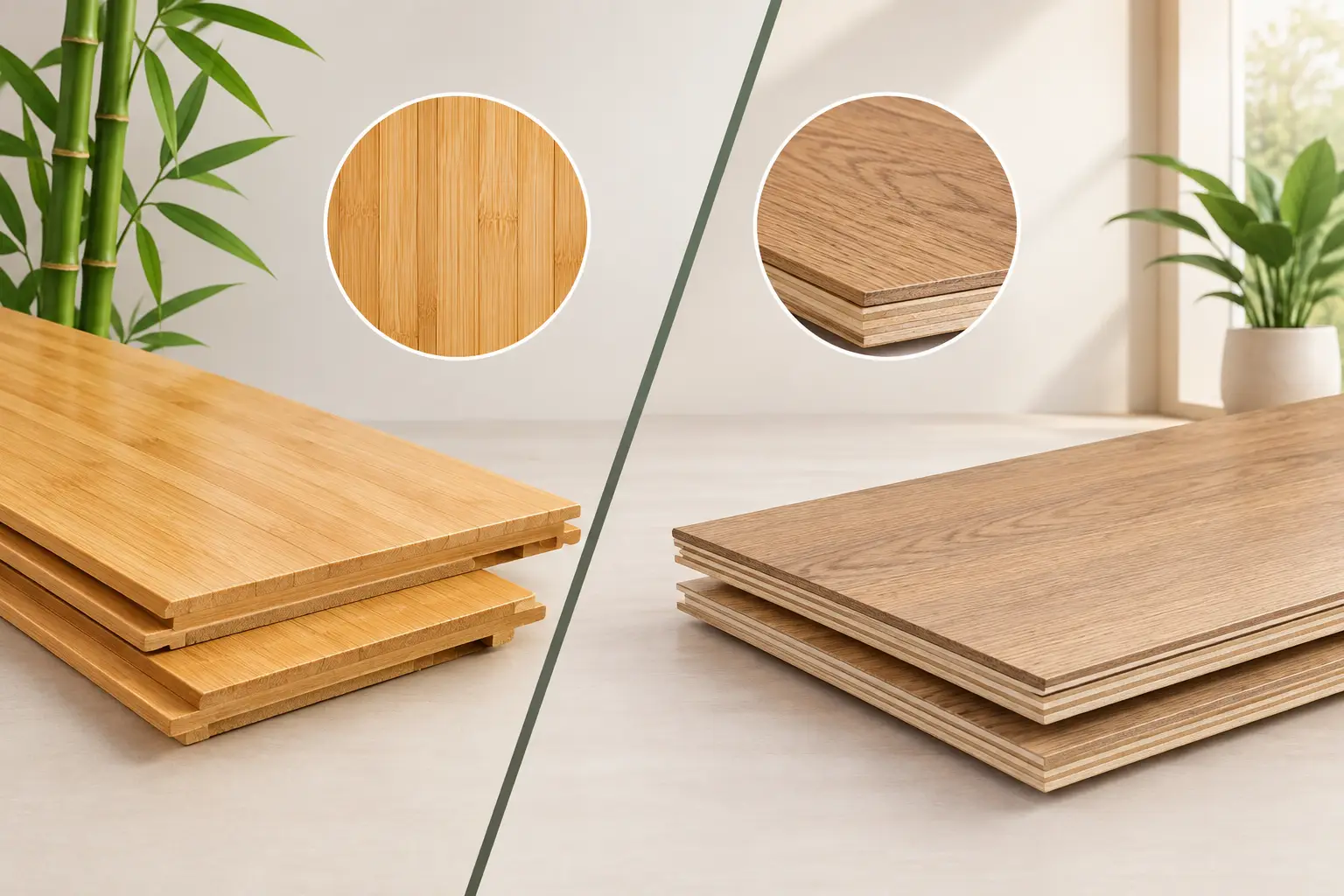
Engineered timber is real timber. It has a hardwood veneer on top, bonded over layers of stable plywood or another engineered core. That construction gives it the character many homeowners want: natural grain variation, knots, movement and the distinct look of an oak, ash or other timber species.
Bamboo is a rapidly renewable grass that is processed into flooring. Quality strand-woven bamboo is densely compressed, which can make it exceptionally hard-wearing. Its visual character is more consistent than a natural timber floor, although the grain and finish still bring plenty of warmth to a room.
Neither is automatically better. A family renovating a busy living area may place scratch resistance and practical value at the top of the list. A homeowner restoring a villa or building a home around a specific European oak look may prefer the natural variation of engineered timber. Good flooring decisions start with the room, the light, the subfloor and the people using it.
Bamboo versus engineered timber flooring: the key differences
Surface hardness and everyday wear
Strand-woven bamboo is a strong contender where daily life is hard on a floor. It suits active households, pets and high-traffic spaces because its dense construction stands up well to dents and scuffs. That does not mean it is indestructible. Grit brought in from outside, furniture legs without felt pads and sharp objects can damage any coated surface.
Engineered timber varies significantly by species, veneer thickness and finish. A hard oak veneer will behave differently from a softer timber, and a quality coating makes a real difference. Engineered boards can show dents and marks more readily than strand-woven bamboo, but many homeowners see this as part of the natural, lived-in character of timber.
If you want a floor that needs less fuss while the kids, pets and furniture get on with life, bamboo often has the edge. If you love the evolving character of real timber and accept that it may pick up a few stories along the way, engineered timber can be the right call.
Appearance and design freedom
This is where engineered timber has a clear strength. The top layer is genuine wood, so every board has its own grain, tonal movement and natural detail. It works particularly well in homes where the flooring is a major design feature, from clean contemporary oak looks to more rustic, brushed finishes.
Bamboo has a cleaner, more uniform visual rhythm. Depending on the product, it can suit modern coastal homes, new builds and renovations where a tidy, consistent finish is wanted. It is not trying to imitate oak. It has its own look, and that is exactly why many homeowners choose it.
Always view full boards or a larger sample in your home rather than making a decision under showroom lighting. Wall colours, cabinetry and changing daylight can shift the way a floor looks from one room to the next.
Sunlight, heat and large glazed areas
North-facing rooms, stacker doors and large windows create one of the most demanding environments for a floor. Direct sun can heat the surface dramatically, while ultraviolet exposure can alter the colour of natural materials over time.
Engineered timber and bamboo can both be used in bright homes, but neither should be treated as immune to sun movement or colour change. Window coverings, sensible furniture placement and a proper assessment of the room all help. In areas with extreme solar gain, the product selection, expansion allowance and installation method become even more important.
This is not the place for guesswork. A flooring specialist should assess the glazed areas and discuss how the room performs across the year. In some high-heat locations, an advanced composite floor may be the more practical option, particularly where stability is more important than having a timber surface.
Moisture and humidity
Neither bamboo nor engineered timber is a carefree choice for a constantly wet bathroom. Standing water, leaks and excessive moisture are enemies of timber-based floors. Wipe up spills promptly, use mats at external doors and keep indoor conditions reasonably stable.
Engineered timber is generally more dimensionally stable than solid timber because of its layered construction. Bamboo flooring also performs well when correctly acclimatised and installed, but it still requires moisture testing and the right expansion details. A floor can be excellent on paper and fail on site if it is laid over a damp slab or an unsuitable subfloor.
That is why free site measurement is more than a sales step. It is where the real risks are identified before boards are ordered and fitted.
Installation is where value is either protected or lost
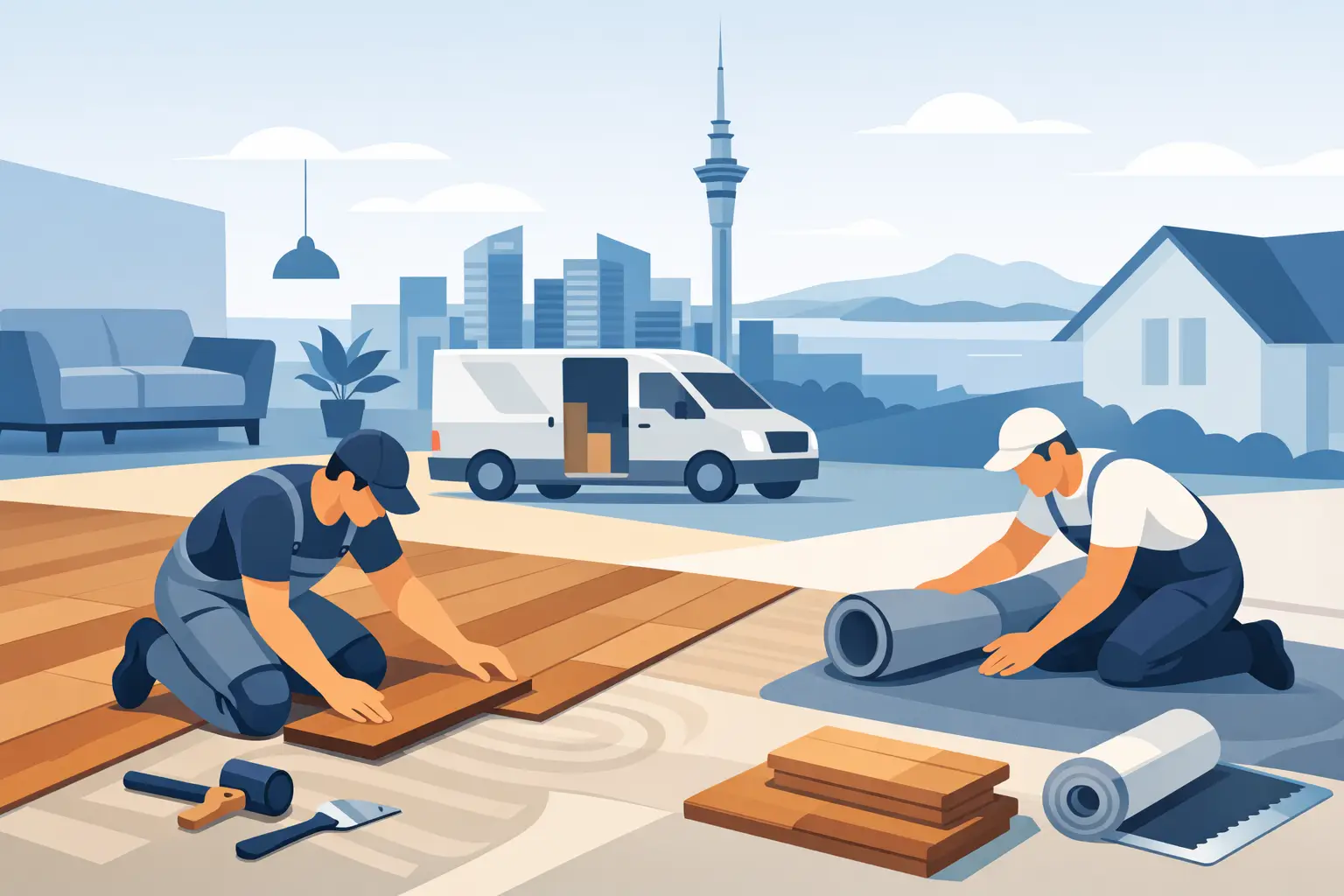
The cheapest box price is not always the lowest project cost. Flooring needs a sound, dry and level base. Depending on the product and site, that can mean moisture testing, levelling work, an acoustic underlay, a vapour barrier, correct trims and carefully planned expansion gaps.
Floating installation is common for many engineered timber and bamboo systems, but the exact method depends on the board and the subfloor. Door jambs, transitions to tile, stair edges and areas around kitchen islands all need to be planned properly. Those details are what separate a floor that looks acceptable on day one from one that remains tidy after seasons of movement.
A professional installer also works out board direction before the first row is laid. Often the best visual result follows the main light source or runs through the longest line of the home, but there are practical exceptions. A narrow hallway, an uneven subfloor or an adjoining room can change the best approach.
Trade Flooring NZ takes this hands-on approach because product advice without site knowledge is only half the job. One accountable specialist can assess the conditions, recommend the right floor, organise the accessories and install it to a precise finish.
What each option costs over time
Bamboo is often the sharper-value choice when you want a premium hard floor without conventional retail margins. It offers a sustainable material story, impressive wear resistance and a finished look that works across many home styles.
Engineered timber commonly costs more, particularly for wider planks, thicker veneers and premium species. You are paying for real timber on the surface and, often, a more specific visual outcome. Some engineered timber floors can be lightly sanded and refinished in the future, but this depends entirely on veneer thickness and manufacturer guidance. It should never be assumed.
The smarter comparison is installed value. Include subfloor preparation, underlay, trims, delivery, installation quality and expected lifespan. Replacing a poorly installed floor costs far more than getting the technical details right from the start.
Which floor suits your home?
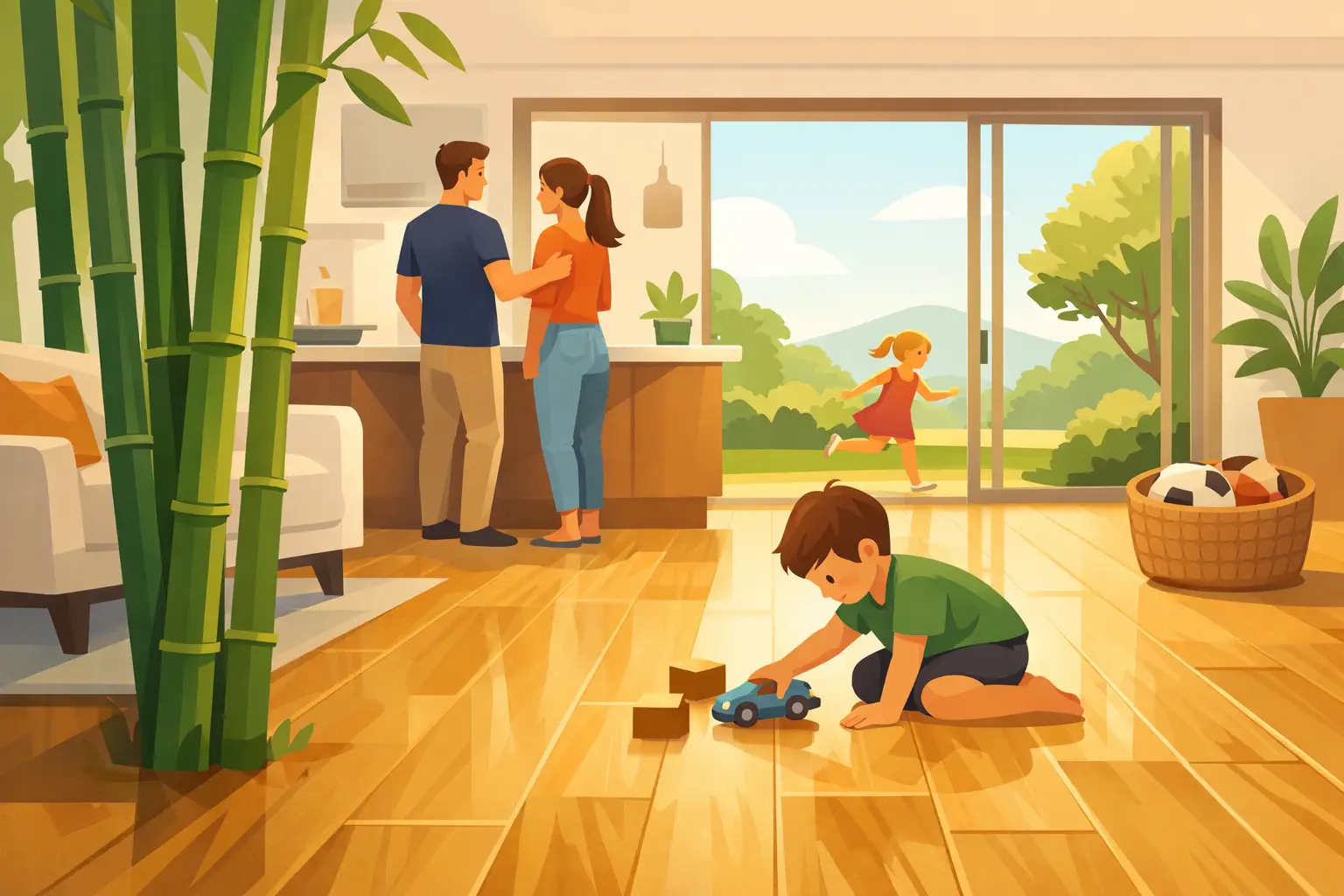
Choose bamboo when you want a hard-wearing, sustainable floor with a consistent appearance and strong value for a busy family home. It is particularly compelling for open-plan living, hallways and renovations where paws, toys and everyday traffic are part of the brief.
Choose engineered timber when the unmistakable grain and variation of real wood are non-negotiable. It suits design-led renovations, calmer households and homes where the floor is intended to bring a particular timber species or wider-plank look into the design.
For either choice, be honest about the room. A calm formal lounge has different demands from a kitchen-living zone with a Labrador, three children and doors opening to the deck. There is no prize for choosing the most expensive product if it does not suit the way you live.
Before locking in a colour, put samples beside your cabinetry, take them into the strongest sunlight, and inspect the subfloor properly. The right floor should look good on installation day, then keep earning its place every day after.