A new bamboo floor can look outstanding on the day it is installed, then get tested every afternoon by a wall of north-facing glass. That is the real question behind “does bamboo flooring fade” for many Auckland and Northland homeowners. Yes, any natural timber-based floor can change colour over time when exposed to UV light and heat. The difference is how much it changes, how evenly it changes, and whether the flooring and installation were chosen properly for the room.
Bamboo is not a floor to avoid because of sunlight. It is a floor to specify correctly. In a typical Kiwi home, the biggest risks are strong direct sun, uncovered ranch sliders, large glazed areas and rugs or furniture left in one place for years. Get the product, finish and site assessment right, and bamboo can remain a durable, good-looking floor for the long haul.
Does bamboo flooring fade in sunlight?
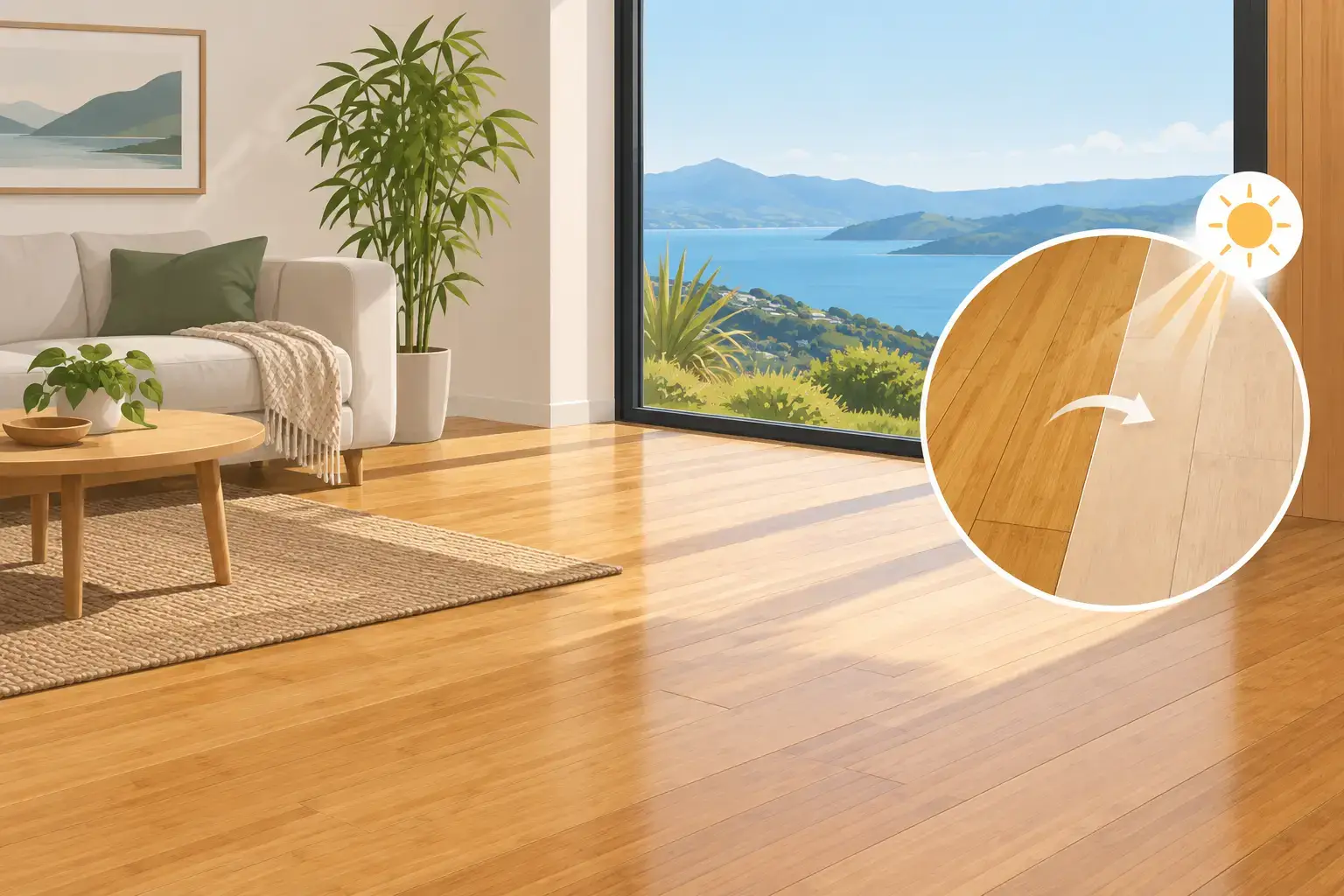
Bamboo flooring can fade or alter in tone when exposed to sunlight, particularly UV radiation. More accurately, it may lighten, darken or mellow depending on the original colour, manufacturing process and protective coating. This is not unique to bamboo. Solid timber, engineered timber, carpets, furniture fabrics and many vinyl products are all affected by prolonged sun exposure.
Natural bamboo has a lighter, honey-toned appearance. Over time, it commonly develops a warmer, slightly deeper colour as it oxidises and receives daylight. Carbonised bamboo, which is heat-treated to create a richer caramel or coffee tone, can lighten gradually in high-UV areas. Stained bamboo depends heavily on the quality of the stain and topcoat. A poorly finished product is far more likely to show uneven colour change than a premium floor with a properly applied UV-resistant finish.
The practical issue is usually not a whole room becoming a little different over several years. It is the outline of a rug, sofa or cabinet becoming visible when it is moved. The exposed floor changes while the covered section does not.
Why NZ homes put flooring under pressure
New Zealand sunlight is serious. A room that feels bright and open can also be a high-heat, high-UV environment, especially where glazing faces north or west. In Whangarei, Auckland and across the North Shore, homes often use wide sliding doors, picture windows and open-plan living areas to bring in the sun. Great for living. Demanding on floors.
Heat matters as much as light. Direct sun through glass can create hot spots that repeatedly expand and contract flooring. If a floating floor has not been allowed the correct perimeter expansion, or if it has been pinned down by heavy joinery, the result can be movement, gaps, lifting or pressure points. That is an installation problem as much as a product problem.
Humidity also plays a part. Bamboo is a natural material and responds to its environment. A house that is shut up, overheated and then opened to damp coastal air is harder on any timber-based flooring than a stable indoor environment. This does not mean bamboo is unsuitable for Northland conditions. It means the installer needs to assess the site rather than sell a box of flooring and hope for the best.
The finish makes a major difference
When comparing bamboo flooring, do not focus only on board colour or price per square metre. Ask what protects the surface. A quality multi-coat finish with UV inhibitors gives the floor a far better chance of retaining a consistent appearance than a basic coating.
UV inhibitors do not make a floor immune to sun. No honest flooring supplier should promise that. They slow the rate of colour change and help protect the finish from breaking down prematurely. Better coatings also make everyday cleaning easier and improve resistance to scuffs, small spills and family traffic.
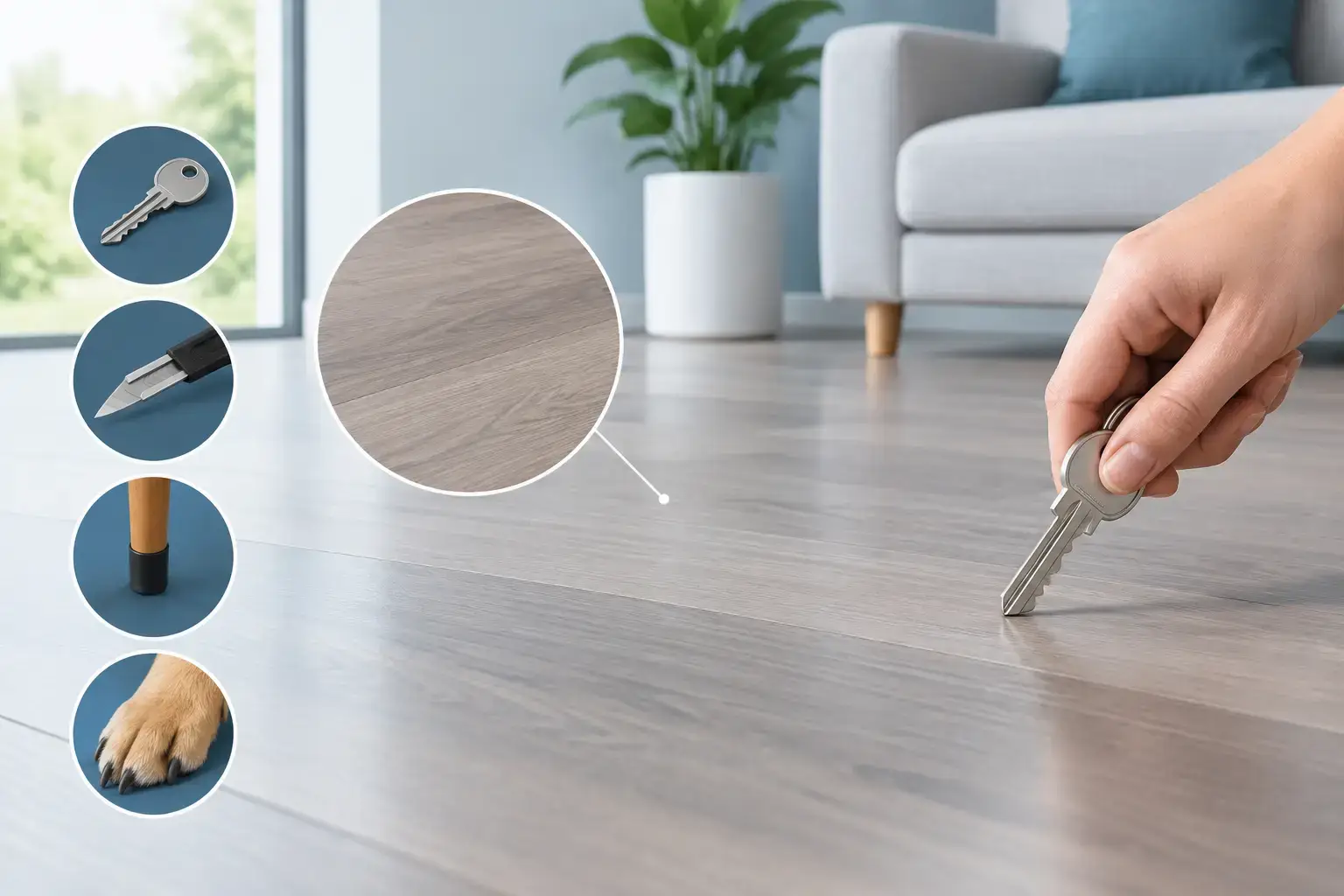
The board construction matters too. Dense strand-woven bamboo is exceptionally hard and well suited to busy homes with kids, pets and plenty of foot traffic. Hardness is not the same thing as fade resistance, but a tough, stable board combined with a quality finish gives you a better all-round result. You want a floor that handles paws, dining chairs and sun exposure, not one that looks good only in a showroom sample.
Darker floors need more thought
Dark bamboo tones can look sharp and dramatic, but they are less forgiving in sunny rooms. A lighter patch near glazing may be more visible against a dark original colour. Dark floors also show dust, scratches and paw marks more readily, regardless of material.
That does not rule them out. It simply means a dark floor works best where the homeowner understands the maintenance trade-off and plans sensible sun control. If your living area receives hard afternoon sun every day, a mid-tone or natural bamboo colour is often the more forgiving choice.
Rugs can create a temporary colour contrast
Large rugs protect the surface from wear, but they also block light. After a few years, moving one may reveal a noticeable difference between covered and uncovered boards. Rotate rugs and furniture occasionally where practical, particularly in rooms with strong natural light.
Avoid rubber-backed mats directly on bamboo unless the manufacturer confirms they are suitable. Some rubber and plastic backings can react with floor finishes or trap moisture, leaving marks that have nothing to do with fading.
How to reduce fading and uneven colour change
Sunlight should be managed, not feared. The best protection is a combination of smart window coverings, sensible furniture placement and a floor selected for the actual room conditions.
Use blinds, curtains, shutters or UV-filtering window film where direct sun pours onto the same section of floor every day. You do not need to turn your home into a cave. Even partial filtering during the hottest afternoon hours reduces the load on the floor and makes the room more comfortable.
Keep internal temperatures as stable as reasonably possible. In rooms with extensive glass, ventilation and shading are valuable not just for people but for flooring. Wipe spills promptly, use felt pads under furniture, and avoid dragging appliances or heavy furniture across the boards.
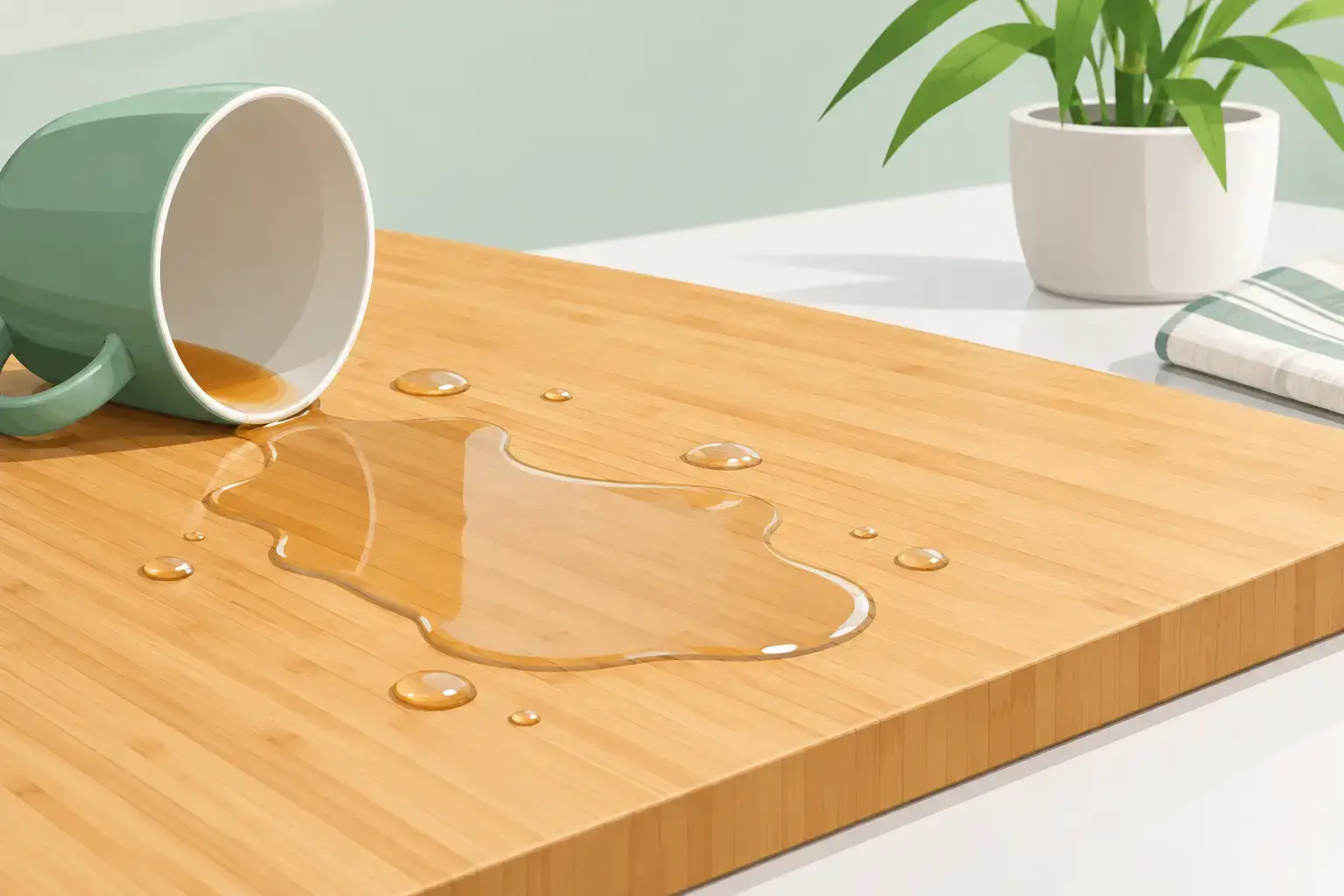
For cleaning, use a microfibre mop and a cleaner approved for the floor finish. Excess water is the enemy of bamboo and timber-based floors. Steam mops, wet mops and harsh chemical cleaners can damage the coating, dull the sheen and leave the floor less protected from everything that follows.
Product selection should start with the room, not the sample
A small sample held near a window cannot tell the full story. Before choosing bamboo, look at the direction the room faces, glazing size, skylights, window coverings, underfloor heating, subfloor condition and how the area will be used. A quiet bedroom with filtered morning light is very different from a family living room facing west with stacker doors and two dogs.
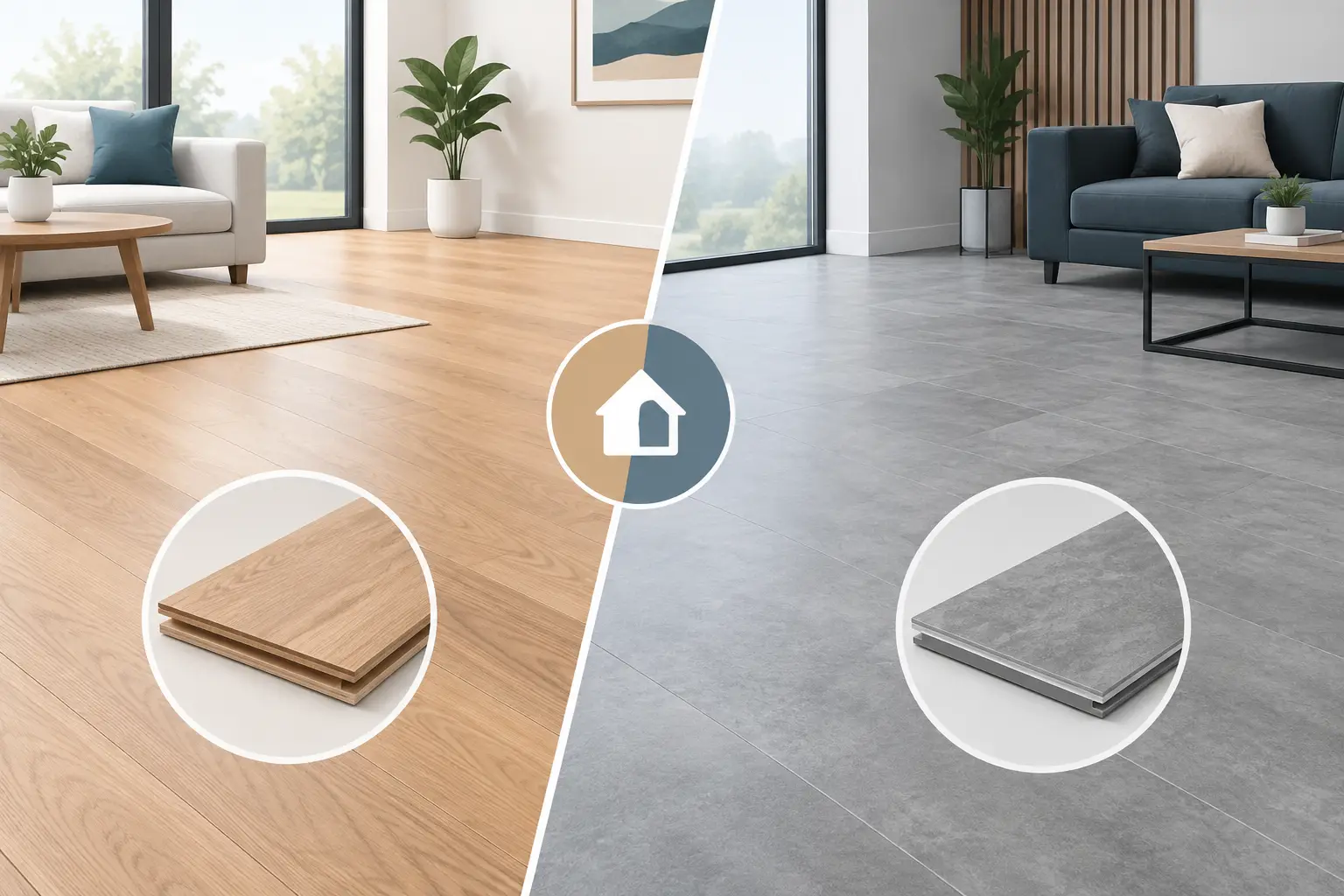
This is where professional advice saves expensive mistakes. The right product may still be bamboo, but it might be a lighter colour, a different board construction or a carefully planned transition to an advanced composite floor in the most exposed zone. Composite flooring is not automatically better than bamboo. It has different strengths, including strong resistance to water and stability in challenging areas. The best floor is the one that suits the site, not the one pushed hardest by a salesperson.
At Trade Flooring NZ, the process starts with the actual home. Martin can assess the light, heat exposure and subfloor during a free on-site measure, then recommend a flooring solution that will perform properly rather than simply look good on day one.
Can faded bamboo flooring be repaired?
Minor overall colour mellowing is generally part of owning a natural bamboo floor, not a defect. If the floor has changed evenly, it often still looks excellent. Uneven colour change can improve gradually once rugs are moved and the previously covered area receives daylight, although this takes time.
Surface damage is a separate issue. Fine scratches and dull patches may sometimes be improved with the correct maintenance product, while deeper damage may require professional assessment. Whether a bamboo floor can be sanded and refinished depends on its construction and wear layer. Never assume it can be treated like a traditional solid hardwood floor. Aggressive sanding can ruin boards that were never designed for it.
If you are replacing a few boards, expect some colour variation against an older floor. New boards have not had the same light exposure. A competent installer will discuss board selection, placement and realistic expectations before work begins.
Bamboo flooring is a strong, sustainable option for a busy NZ home, but sunlight needs to be part of the decision from the start. Choose a quality UV-protected finish, control harsh direct sun where it makes sense, and have the site assessed properly. That is how you get a floor built to keep impressing well after installation day.